ESD, Cleanroom Facemask
In electronics assembly, semiconductor handling, and controlled production areas, even a small garment choice can affect both contamination control and electrostatic safety. ESD, Cleanroom Facemask products are used where operators need facial coverage that supports cleaner working conditions while also fitting into an electrostatic discharge control program.
This category is relevant for facilities that build or inspect sensitive components, work with static-sensitive devices, or maintain clean manufacturing environments. Depending on the process, a facemask may be selected not only for wearer comfort and coverage, but also for how it integrates with other protective apparel used across the workstation.
Where ESD and cleanroom facemasks are typically used
These facemasks are commonly used in electronics manufacturing, PCB assembly, component packaging, lab environments, and other controlled areas where particles and static can create process risk. In these settings, apparel is often chosen as part of a broader system rather than as an isolated item.
A cleanroom or ESD facemask helps support operator protocol when working near sensitive assemblies, exposed devices, or controlled production zones. It is especially relevant when companies need to reduce contamination from normal operator activity while maintaining consistency with ESD-safe apparel practices.
What to look for when selecting a facemask
The right choice depends on the environment, the required level of apparel control, and how long masks are worn during a shift. Buyers often compare size options, material characteristics, and whether the mask is intended to provide static dissipative performance as part of an ESD-controlled workspace.
It is also important to consider compatibility with other garments and PPE. A facemask should fit naturally with caps, gloves, footwear, and body garments already used in the same area, helping operators move between benches or production steps without disrupting gowning procedures.
Examples from 3M and Desco
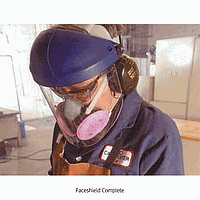
This category includes products from established manufacturers such as 3M and Desco. For example, 3M 3M.03.5010 Face Shield H8A Headgear and 3M 3M.03.5011 Face Shield WP96 illustrate facial protection options used in industrial environments where face coverage is part of the task requirement.
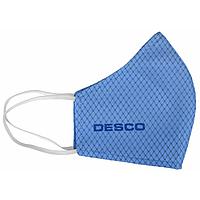
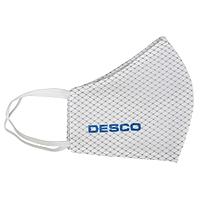
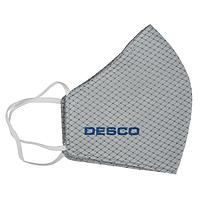
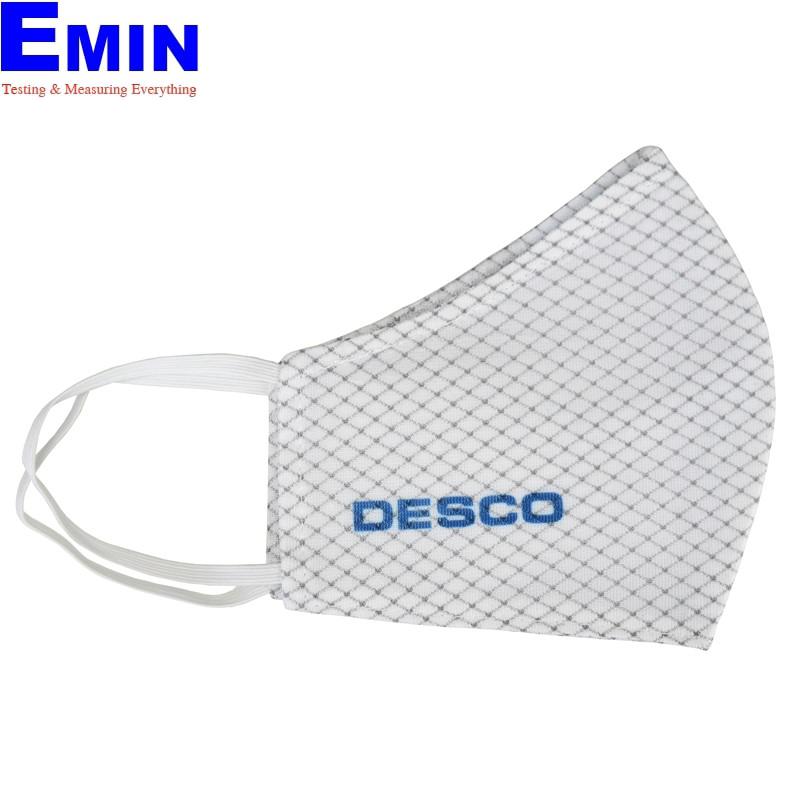
For ESD-focused apparel applications, Desco models such as 97550, 97551, 97552, 97553, 97554, and 97555 represent static dissipative facemask options in different size ranges. These products are particularly relevant for operations that need masks aligned with controlled handling procedures for static-sensitive materials and assemblies.
Material and performance considerations
When evaluating facemasks for ESD-sensitive areas, material behavior matters. In this category, Desco facemask models are associated with fabrics designed for controlled electrical resistance, supporting use in environments where managing charge generation and discharge risk is part of daily operating discipline.
Beyond electrical properties, buyers should also consider practical factors such as fit stability, breathability, reusability policies, and whether the mask is intended for long-duration wear. In clean manufacturing settings, consistency is often more valuable than over-specifying a single item, especially when masks are only one part of a larger garment system.
How facemasks fit into a full ESD clothing system
A facemask is usually selected together with other operator-worn items rather than purchased on its own. Many facilities combine masks with ESD gloves, cleanroom caps, and garments such as coats, jackets, smocks, or pants to create a more complete operator apparel setup.
This system approach helps standardize gowning procedures across teams and reduces gaps between contamination control and electrostatic control objectives. For buyers managing multiple work areas, selecting compatible clothing categories can simplify procurement and improve day-to-day compliance on the production floor.
Choosing by application rather than by model count
For many B2B purchasers, the better approach is to start with the process requirement. A facility focused on electronics assembly may prioritize static dissipative garments, while another area may need face coverage that aligns with broader industrial PPE practices. That is why this category can include both ESD-oriented facemasks and related face protection products from recognized manufacturers.
Instead of selecting purely by part number, it helps to review how the product will be used: at assembly benches, in inspection stations, in packaging cells, or in controlled production rooms. Once the operating context is clear, narrowing the choice by size, material behavior, and compatibility with existing apparel becomes much easier.
Support a cleaner and more consistent workstation setup
Well-chosen facemasks contribute to a more controlled operator environment, especially where product sensitivity, cleanliness, and handling discipline all matter. Whether the requirement is centered on ESD garment integration or on face protection within an industrial workflow, this category provides options suited to those needs.
As you compare products, focus on the actual process conditions, the apparel system already in use, and the consistency required across shifts or production lines. That practical approach will help you identify the most appropriate facemask solution for your controlled environment.
Get exclusive volume discounts, bulk pricing updates, and new product alerts delivered directly to your inbox.
By subscribing, you agree to our Terms of Service and Privacy Policy.
Direct access to our certified experts