For full functionality of this site it is necessary to enable JavaScript.
EMIN.ASIA
0

Blog

Choosing Fans, Heatsinks, Heat Spreaders, or Thermal Paste for High-Performance Electronic Devices
11/09/2026 13:50:49

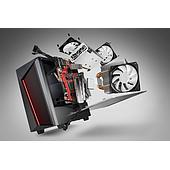
SiC and GaN semiconductor components feature high power density and compact dimensions, causing heat to be concentrated within a very small chip area. The question of which thermal management solution is most widely used is often framed as a choice between four options: fans, heatsinks, thermal pads, or thermal grease. This framing requires some refinement, as these four components occupy different positions along the same heat-transfer path; in fact, most designs employ a combination of several of these elements. This article explains the role of each component, how to select thermal interface materials, and the impact of temperature on measurements.
How Do Bidirectional DC Power Supplies Improve EV Testing?
11/07/2026 09:57:58

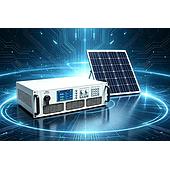
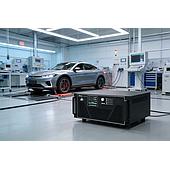
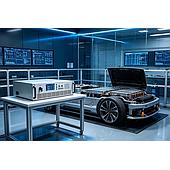
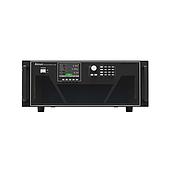
Bidirectional DC power supplies combine source and sink operation in one platform. This supports realistic EV battery cycling, regenerative energy handling, programmable test sequences, and flexible battery or charger emulation.

Choose a Battery Simulation DC Power Supply
11/07/2026 09:55:14

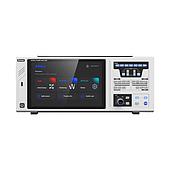
A battery simulation DC power supply should be selected around the device under test: required voltage, peak current, power, charge/discharge behavior, dynamic response, model fidelity, integration, and protection needs.

Selecting a Four-Quadrant AC Source and Load
11/07/2026 09:53:50

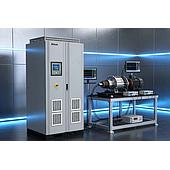
A four-quadrant AC source or load can supply power to a device under test and absorb returned power. Selection should match the test setup’s power range, grid simulation, dynamic response, regeneration, automation, and safety requirements.

How Do Electronic Load Testers Simulate EV Driving?
11/07/2026 09:52:18

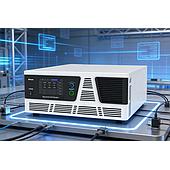
Electronic load testers apply programmable current, voltage, power, and resistance loads to recreate EV acceleration, cruising, regenerative braking, and stop-and-go operation in a repeatable laboratory setting.

How is MBE technology applied in semiconductor research ?
11/07/2026 09:06:16

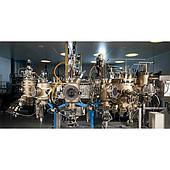
MBE is an epitaxy technology that enables highly precise control over crystal growth, making it particularly suitable for researching semiconductor heterostructures, high-speed transistors, semiconductor lasers, and nanomaterials.

Stay Updated with Offers

Get exclusive volume discounts, bulk pricing updates, and new product alerts delivered directly to your inbox.

By subscribing, you agree to our Terms of Service and Privacy Policy.

Quick Support

Direct access to our certified experts