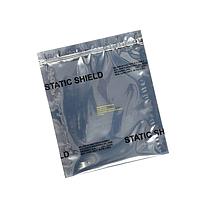
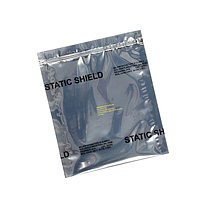
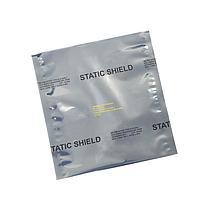
Antistatic bag
Protecting sensitive electronics during storage, handling, and shipment starts with the right packaging. A well-chosen antistatic bag helps reduce the risk of electrostatic discharge, while also supporting cleaner, more controlled movement of components such as boards, drives, modules, and other ESD-sensitive parts across production, service, and logistics workflows.
In practice, not every bag serves the same purpose. Some are designed to dissipate charge during routine handling, some add shielding performance for more sensitive assemblies, and others focus on moisture protection or cushioned transport. Choosing the right format depends on the device, the handling environment, and whether the priority is temporary storage, in-plant transfer, or outbound shipping.
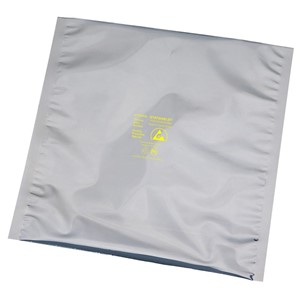
Why antistatic packaging matters in ESD control
Electrostatic discharge can damage electronic components in obvious or latent ways. A part may fail immediately after a discharge event, or it may continue operating for a period before reliability problems appear later in the field. That is why packaging is not just a storage accessory; it is part of a broader ESD protection strategy.
Antistatic bags are commonly used to reduce charge buildup on the packaging surface and to create a safer environment for parts when they are moved between workstations, warehouses, and customers. In production spaces that also rely on controlled surfaces, garments, and cleaning practices, related items such as cleanroom mops and dustcloths can support a more stable handling environment.
Common types of antistatic bags in this category
This category includes several practical bag styles used in electronics manufacturing and technical logistics. Pink antistatic bags are often selected for general handling where charge generation needs to be minimized. For example, the Statico S1800P Pink Amine Free Anti Static Bags are suited to applications where simple dissipative packaging is needed for non-shielding use cases.
For more sensitive electronics, static shielding bags provide an additional layer of protection by helping shield contents from external electrostatic fields. The Statico S1800 Static Shielding Bags are a typical example for storing or moving assemblies that require more than standard antistatic packaging. Where moisture exposure is also a concern, the Statico S1800MB Anti-Static Moisture Barrier Bag adds a barrier-oriented packaging option for environments where both ESD control and moisture management matter.
Options for storage, shipping, and daily handling
Antistatic packaging is not limited to flat bags. In day-to-day operations, organizations may need different protective formats depending on whether components are stored in racks, moved internally, or shipped externally. This is why the category also includes mailers and personal carry accessories that support ESD-aware handling.
For shipping or parcel movement, products such as the Desco 13970, 13971, 13972, and 13973 ESD Mailer with SECO SAFECELL combine dissipative properties with cushioned construction. These are useful when the item needs physical protection in addition to surface resistance and rapid static decay. For personnel who carry documents, labels, or badges in controlled areas, Desco 07474, 07475, and 07476 ESD pocket protectors provide a more specialized accessory within the same protective ecosystem.
How to choose the right bag for your application
A practical selection process starts with the item being protected. If the component is highly sensitive and may encounter multiple handling points, a shielding structure is often more appropriate than a basic dissipative bag. If humidity or long-term storage conditions are concerns, moisture barrier designs may be worth considering alongside standard ESD performance.
Mechanical requirements also matter. Bag thickness, puncture resistance, seal strength, and clarity can affect usability in production and shipping environments. Clear bag formats such as the Desco 13876 and Desco 13877 Statfree Bag can be useful where fast visual identification is needed, while mailer-style packaging is more suitable when cushioning and transit protection are priorities.
Featured manufacturers in this category
Desco and Statico are the main manufacturers represented here, each covering different packaging and handling needs within ESD control. Desco appears strongly in protective accessories, clear bags, and cushioned ESD mailers, making it relevant for both internal handling and shipment preparation.
Statico is well represented in core packaging formats such as pink antistatic bags, static shielding bags, and moisture barrier bags. That makes it especially relevant when the focus is on selecting the right bag structure for electronic assemblies, spare parts, or sensitive components moving through assembly, repair, and distribution processes.
Using antistatic bags effectively in controlled environments
Even the right packaging works best when it is used as part of a consistent ESD process. Components should be inserted and removed in an appropriate workstation environment, and bags should be selected according to the actual sensitivity of the device rather than by appearance alone. A pink bag, for example, does not automatically replace a shielding bag when shielding performance is required.
In cleaner production or inspection areas, packaging decisions may also be coordinated with the workspace setup. Equipment such as a clean bench or an air shower can support contamination control alongside ESD-oriented handling, especially where electronics and clean process discipline overlap.
What buyers often compare before ordering
Technical buyers usually compare a few core factors before standardizing on an antistatic bag: protection level, material type, size, durability, transparency, and suitability for storage versus shipping. In many B2B environments, consistency is just as important as price, because packaging needs to align with receiving, kitting, repair, and outbound processes across multiple teams.
It is also common to match bag type to workflow stage. A shielding bag may be preferred for incoming sensitive boards, a clear dissipative bag for organized in-house storage, and a cushioned ESD mailer for transport to customers or service centers. Looking at the packaging function in context usually leads to better long-term selection than choosing only by dimensions.
Conclusion
The right antistatic bag helps protect electronic parts from avoidable handling damage while supporting cleaner, more reliable storage and transport practices. Whether the need is basic antistatic packaging, shielding performance, moisture barrier protection, or cushioned ESD shipping, this category covers multiple formats for real operational requirements.
When comparing options, focus on the sensitivity of the device, the movement path of the product, and the level of protection required at each stage. That approach makes it easier to narrow the category to the bag style and manufacturer that best fit your technical and logistics process.
Get exclusive volume discounts, bulk pricing updates, and new product alerts delivered directly to your inbox.
By subscribing, you agree to our Terms of Service and Privacy Policy.
Direct access to our certified experts