The growing pressure on urban clean water supply, combined with energy conservation imperatives, is forcing water treatment plants to comprehensively restructure their mechanical infrastructure. Operational models relying on manual experience can no longer solve the challenge of electricity cost optimization and pipeline risk management. Integrating Artificial Intelligence (AI) into SCADA systems and field measurement instrumentation delivers a major breakthrough, transitioning pumping stations from passive reactive management to predictive, automated control systems.
Analysis of Operational Challenges in Conventional Pumping Stations
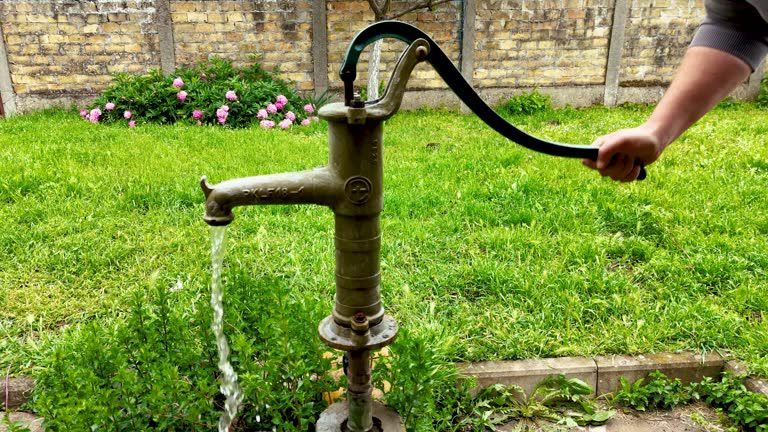
Legacy pumping station systems typically rely on control structures driven by basic water level relay signals or fixed shift-based ON/OFF schedules. In practice, this method reveals several distinct limitations:
- Pumps frequently run outside optimal electricity pricing windows, causing significant energy cost losses across the facility.
- A lack of flexible adaptability to sudden fluctuations in daily domestic or industrial water consumption demand.
- Incipient mechanical faults within motors or pump shafts remain undetected, leading to unexpected shutdowns that disrupt the entire transmission network.
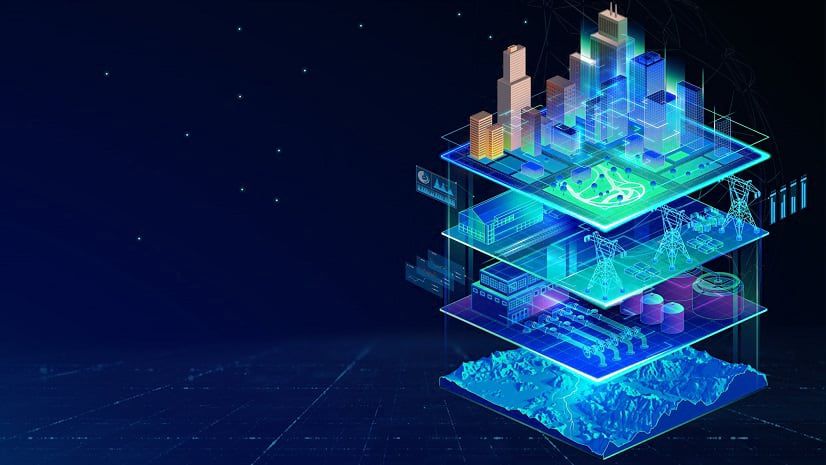
Digital Twin Model
Deploying AI in Pumping Station Operations
Automated Energy Optimization Algorithms
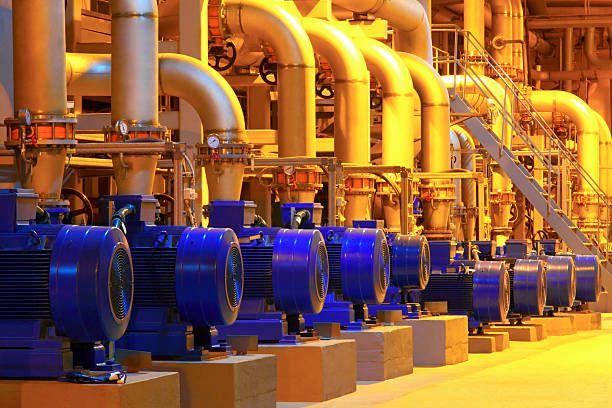
Electricity expenditures for high-capacity motor systems represent a major portion of a water plant's operating budget. AI algorithms continuously cross-reference peak/off-peak electricity tariffs against load demand forecasts to schedule pump group operation during lowest-cost intervals, while maintaining stable pressure along the main pipelines.
Predictive Maintenance Mechanism
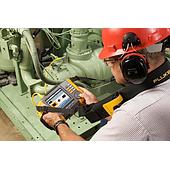
Instead of waiting for equipment failure before repair or relying on wasteful routine maintenance, the AI system continuously monitors vibration frequencies, bearing temperatures, and current intensity. This technology identifies early signs of mechanical wear 2 to 3 weeks in advance, enabling engineers to proactively replace components during scheduled maintenance windows.
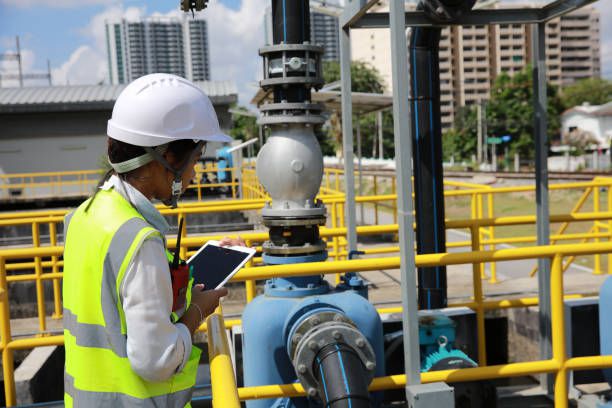
VFD Control to Mitigate Water Hammer Phenomena
Abrupt flow shut-offs generate pressure surges (water hammer), posing a direct threat to the structural integrity of valves and underground piping. AI regulates Variable Frequency Drives (VFDs) to automatically adjust motor rotational speed according to actual hydraulic curves, ensuring perfectly smooth pressure ramping and deceleration.
Field Data: The Critical Foundation of AI Algorithms
1. Precise Flow & Pressure Measurement
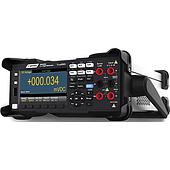
To ensure accurate AI decision-making, field hardware across pumping stations must deliver continuous, highly accurate flow and pressure readings. Facilities can integrate EMIN water testing and analysis instruments to guarantee the reliability of collected operational data.
2. Periodic Sensor Calibration
Measurement sensors operating continuously in humid environments are prone to fouling and signal drift. Performing periodic water meter calibration at EMIN is a mandatory technical requirement to ensure the "AI brain" consistently operates on reliable foundational data.