For full functionality of this site it is necessary to enable JavaScript.
EMIN.ASIA
0

Standard torque chart by size

04/14/2026 16:07:27

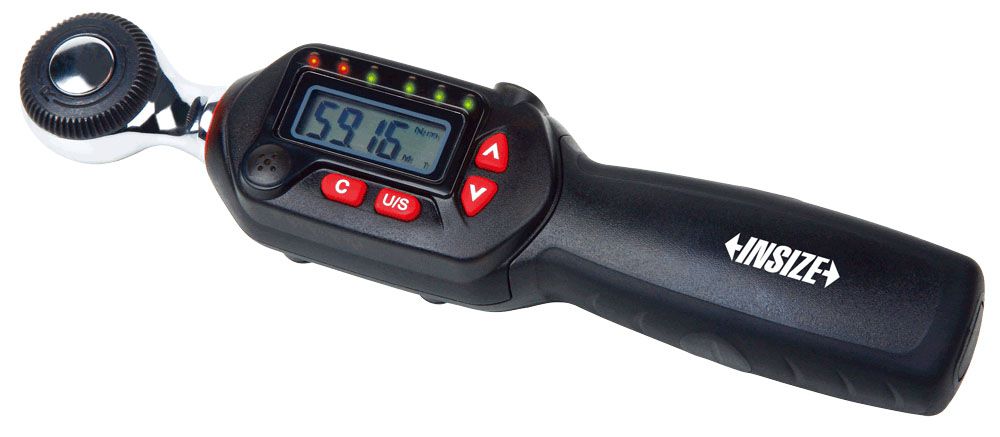
Using the correct bolt torque chart according to size and torque wrench not only ensures the durability of the connection but is also a core element in quality control. In the context of increasingly demanding technical requirements, tightening torque is no longer a matter of manual measurement, but has become a technical parameter that needs to be tightly controlled.

In modern systems requiring high precision and safety, each bolt size has its own standard torque corresponding to: bolt diameter, material strength grade, lubrication or dry conditions, and working environment (temperature, vibration)

1. Stainless steel tightening torque (Nm)

Stainless steel bolts typically have a lower tightening torque than steel bolts of the same size due to their characteristics: high friction, susceptibility to thread jamming, and lower strength compared to high-strength steel.

Bolt size

Stainless steel tightening torque (Nm)

M6

6-8 Nm

M8

15-20 Nm

M10

30-40 Nm

M12

50-65 Nm

M16

120-50 Nm

2. Automotive bolt tightening torque chart (common)

In the automotive industry, torque is extremely tightly controlled because it is directly related to safety

Location

Standard tightening torque (Nm)

Wheel bolts

90-120 Nm

Wheel bolts

40-100 Nm 

Wheel bolts

150-300 Nm

Suspension bolts

100-200 Nm

3. High-Strength Steel Bolt Torque Chart

Size

8.8 (Nm)

10.9 (Nm)

12.9 (Nm)

M8  

25

35

40

M10

50

70

85

M12

85

120

145

M16

200

280

330

M20

400

550

650

4. Bolt tightening torque chart for electromechanical equipment

Lorem Ipsum is simply dummy text of the printing and typesetting industry. Lorem Ipsum has been the industry's standard dummy text ever since the 1500s, when an unknown printer took a galley of type and scrambled it to make a type specimen book. It has survived not only five centuries, but also the leap into electronic typesetting, remaining essentially unchanged.

Size

Tightening torque (Nm)

M55

6 Nm

M68


10 Nm

M818


22 Nm

M1035

45 Nm

The able above is for reference only. In practice, torque adjustment is necessary when: Lubrication present → reduce torque by ~ 10-20% High vibration environment → increase torque or use threadlocker High temperature → changes material properties 

See more: Torque error: The “hidden cost” you are unknow

Related News

6 Essential Measuring Instruments in a Solar Technician’s Tool Bag
09/16/2026 14:19:49

A measurement toolkit for solar PV installers does not necessarily need to contain a large number of instruments or excessive functions. What matters is having the right tool for each task on the roof: measuring DC voltage, checking string current, verifying polarity, testing insulation, checking grounding, or commissioning the entire system.

5 Steps to Check Grounding for Rooftop Solar PV Systems During the Stormy Season
09/16/2026 11:51:17

Rooftop solar PV arrays are installed at elevated locations and contain numerous metal frames, aluminum rails, and long cable runs across the roof. As the stormy season approaches, the grounding and lightning protection systems should be inspected to ensure that fault current and lightning current can follow the intended paths.

Why Does a Soldering Iron Heat Up Quickly but Still Solder Slowly ?
09/16/2026 11:04:47

Before contacting the material, a handheld soldering iron mainly heats the soldering tip. Once soldering begins, heat is continuously transferred from the tip to the material. If the heat supply is not sufficient to compensate for heat loss, the temperature at the contact area drops and the processing time increases

Decoding the Challenges of Semiconductor Chip Testing
09/15/2026 13:57:41

In the semiconductor testing and measurement sector—where every nanosecond and microvolt can determine the success or failure of a chip design—choosing the right test equipment has never been simply a matter of comparing specifications on paper.

Causes of nylon fabric yellowing
09/15/2026 10:05:40

Nylon fabric yellowing is a surface color change in which white or light-colored material turns yellow when exposed to light, heat, or chemicals. Therefore, a fabric color fastness tester is an essential part of the quality control process, helping manufacturers evaluate color stability before discoloration occurs in finished products.

Stay Updated with Offers

Get exclusive volume discounts, bulk pricing updates, and new product alerts delivered directly to your inbox.

By subscribing, you agree to our Terms of Service and Privacy Policy.

Quick Support

Direct access to our certified experts