With a price tag exceeding 20 million VND, the Flir C5 thermal camera makes many people hesitant before deciding to buy it. So what are the outstanding features of this product, and is it worth the price? Let's take a look at the Flir C5 in detail with EMIN right now!
Evaluating the performance of the Flir C5 thermal camera
The Flir C5 is one of the thermal cameras highly rated by users for its outstanding performance. Below is a detailed review for your reference!
Sensor: The Flir C5 uses an infrared sensor with a resolution of 160 × 120 (19,200 pixels), allowing for sharp and realistic images. The device can accurately measure temperature over a wide range from -20°C to 400°C, meeting the needs of various fields.
The Flir C5 uses an infrared sensor: Therefore, this thermal camera is used in tasks such as inspection, repair, and maintenance of electrical systems. Users can identify faults and make timely repairs thanks to the images provided by the Flir C5 camera.
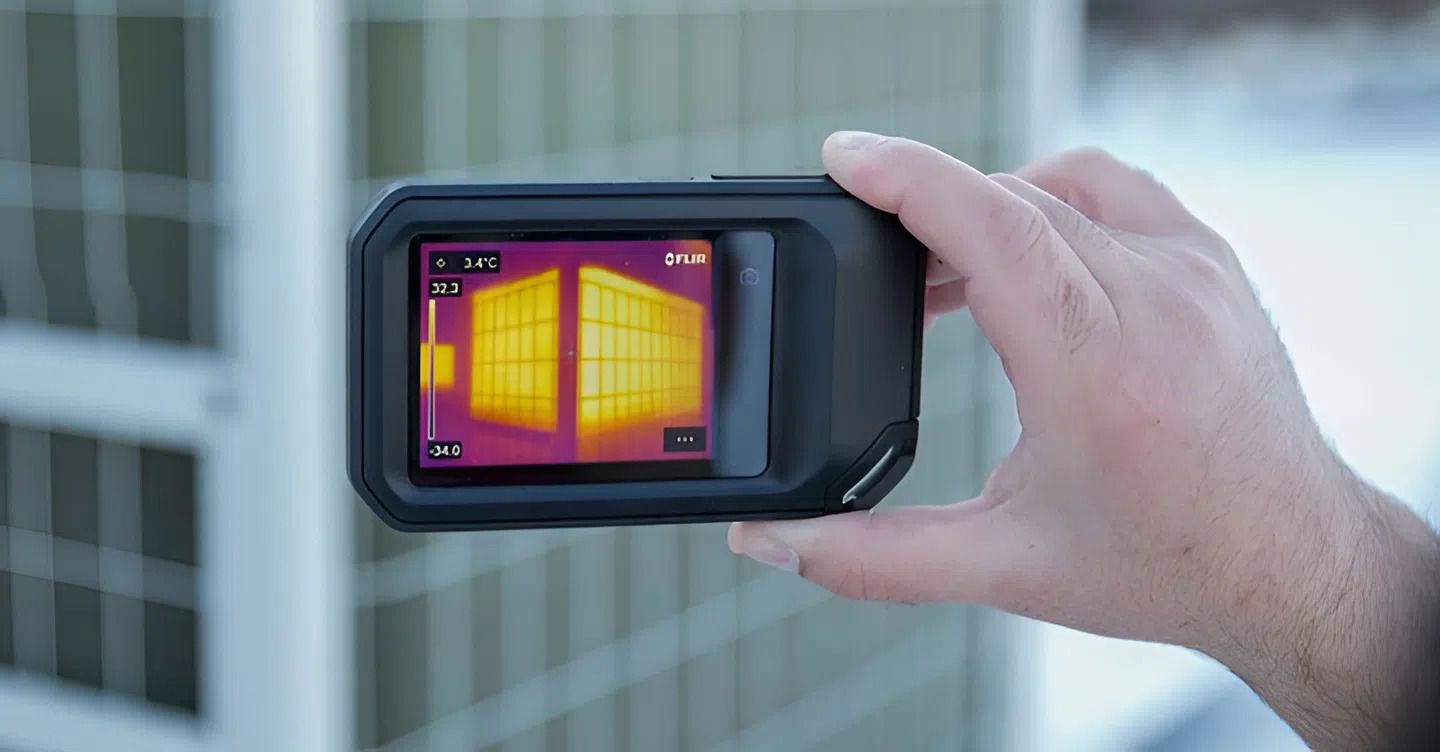
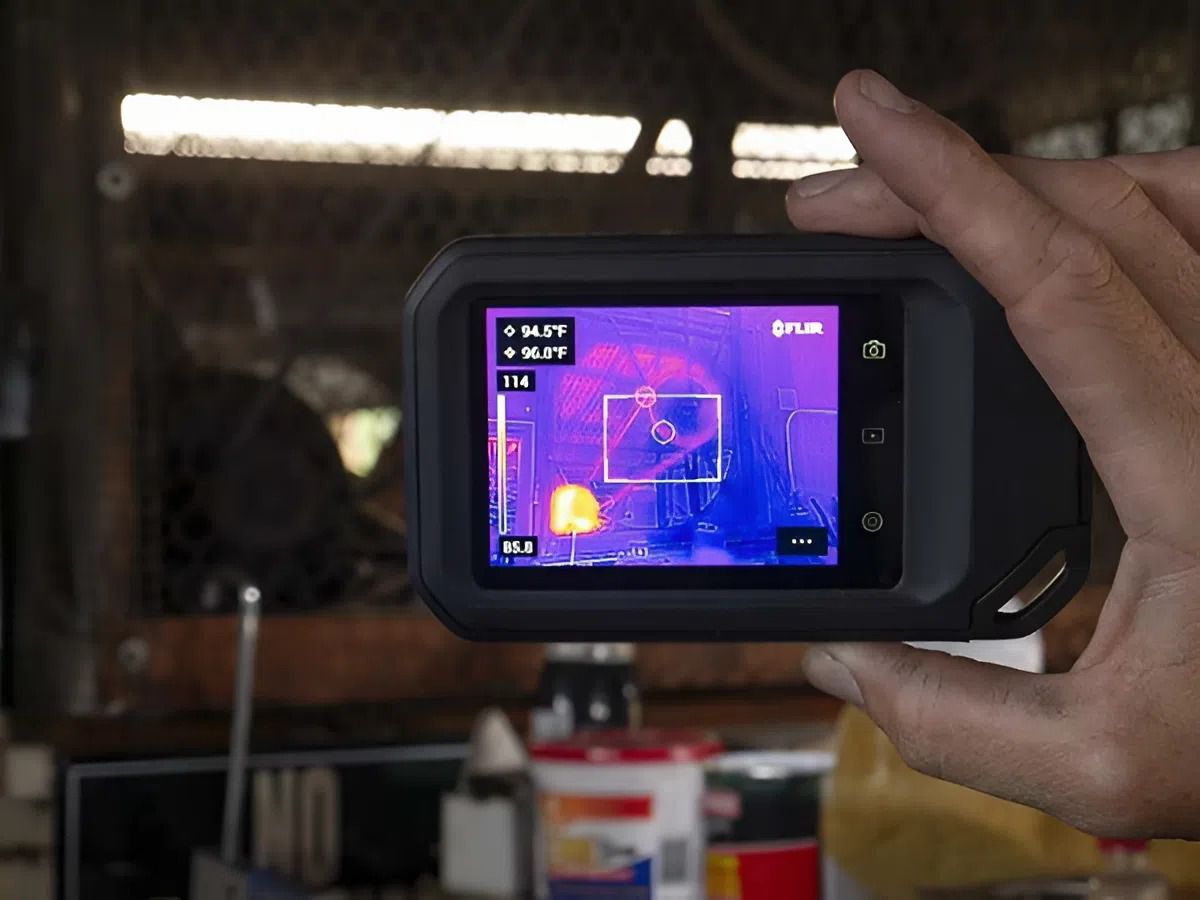
Image Mode: The image mode is one of the strengths of the Flir C5 thermal camera compared to other competitors on the market. The Flir C5 uses a 5 MP camera, an 8–14 µm spectral range, and an 8.7 Hz image frequency to convert the thermal radiation of an object into a visual image.
In this system, areas with higher temperatures are displayed in brighter colors, and areas with lower temperatures are displayed in darker colors. This allows users to easily identify hot and cold spots, detecting potential problems and addressing them promptly.
This is a high-precision Flir thermal camera. When the temperature ranges from 15 to 35°C (59 to 95°F), and the object being measured is above 0°C, the device has the following error:
Objects measured with temperatures from 100 to 400°C: ±3%
This is a high-precision FLIR thermal camera
The Flir C5 thermal camera boasts many modern and convenient features for users, such as:
- Connectivity via WIFI, Bluetooth, or USB to phones or computers for fast data transfer.
- Standard JPEG file format, 14-bit measurement data, capable of storing up to 5000 images.
- Direct image upload to the highly useful FLIR Ignite service and library.
Design and durability of the Flir C5 thermal camera
The Flir C5 thermal camera has a simple, palm-sized design, making it easy to carry around while working. Its lightweight design allows for extended use without fatigue.
The device also features a sharp 3.5-inch LCD touchscreen, allowing for easy observation and control even on first use. Flir has chosen high-quality materials for this product, offering water and impact resistance, ensuring high durability and a long lifespan.
Is it a good idea to buy a Flir C5 thermal camera in 2026?
The Flir C5 thermal camera is currently being officially distributed by EMIN at a discounted price of around 20 million VND. This price point places it in the high-end segment, making many people hesitant to invest in it.
Should you buy the Flir C5 thermal camera?
However, when compared to its performance, design, and durability, the Flir C5 proves to be a truly worthwhile investment. If you need a highly accurate, professional-grade tool for large factories and require many modern features, don't miss this product.
Meanwhile, if you're a personal user or a beginner, you can consider other products with lower prices. In general, consider your budget and specific usage needs to make the most informed purchase decision.