For full functionality of this site it is necessary to enable JavaScript.
EMIN.ASIA
0

Classification of electrical insulation tape

09/13/2024 13:51:39

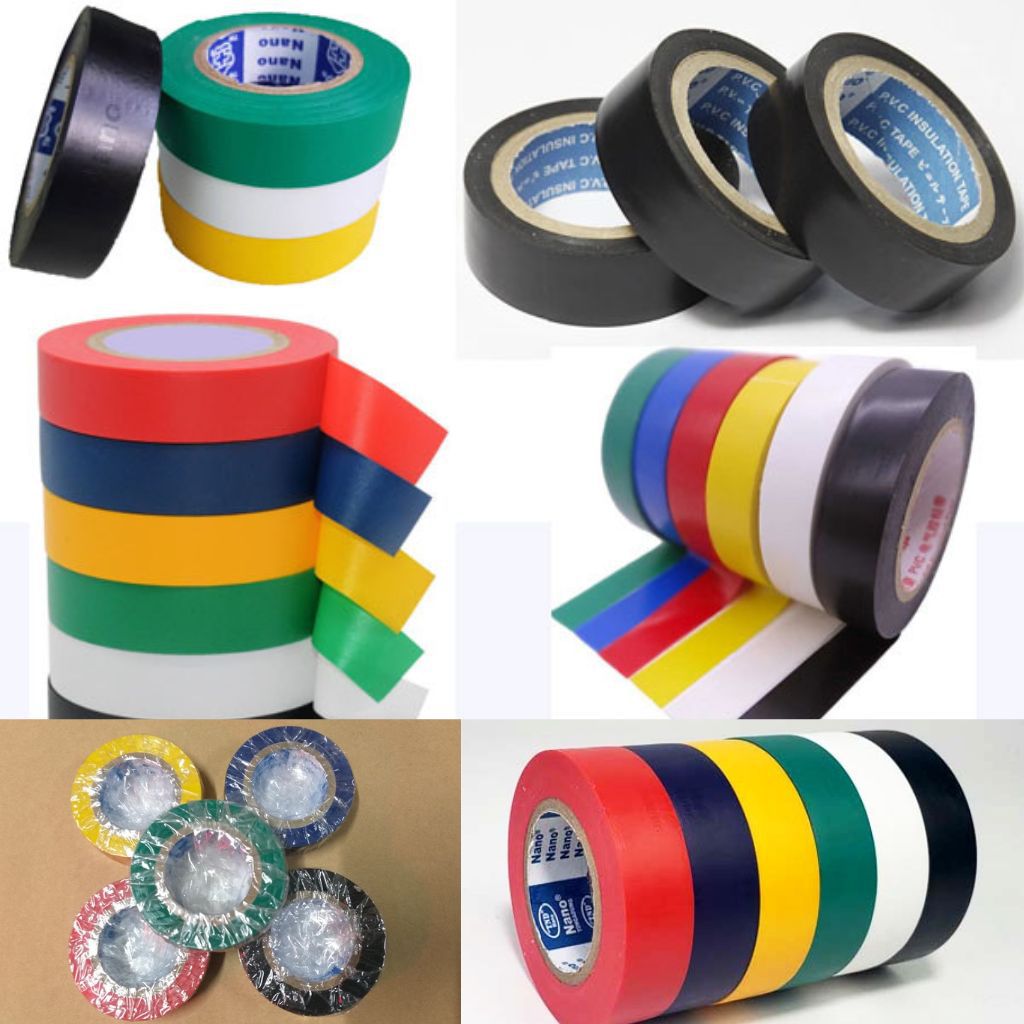
Insulating tape is a commonly used material to protect and insulate electrical wire connections, helping to ensure safety during use. Specifically, insulating tape is often made from materials such as PVC that have good heat resistance and prevent electric leakage.

Depending on the needs and purposes of use, there are many different types of electrical insulation tape on the market, each of which has its own advantages. Users can choose based on the durability, heat resistance or force resistance of each type of tape. 

What is electrical insulation tape?

Insulating tape is a specialized adhesive with the function of isolating conductive surfaces, helping to prevent unwanted contact between electrical components with each other or with non-conductive areas. This product is often used in electronics, electricity, and other industries to protect wires, cables, and electrical components from the risk of short circuits or electrical leakage.
Main structure of electrical insulation tape

The structure of insulating tape consists of three main parts: shell layer, glue layer and insulating material layer.

- The outer shell is usually made from PVC or vinyl, which are flexible materials with good bearing capacity. The function of this shell is to protect internal components from environmental impacts such as moisture, dust and mechanical shock.

- The adhesive layer is located underneath the outer shell, helping the tape adhere tightly to the surface. Usually made from acrylic glue or synthetic rubber glue, this glue layer has high adhesion, ensuring the tape does not come off when used for a long time.

- Finally, the insulating material layer is the most important component. This material, which can be PVC, vinyl, or synthetic rubber, serves to prevent electrical leakage, creating a safe and effective insulating layer between conductive and non-conductive parts.

What are the applications of electrical insulation tape?
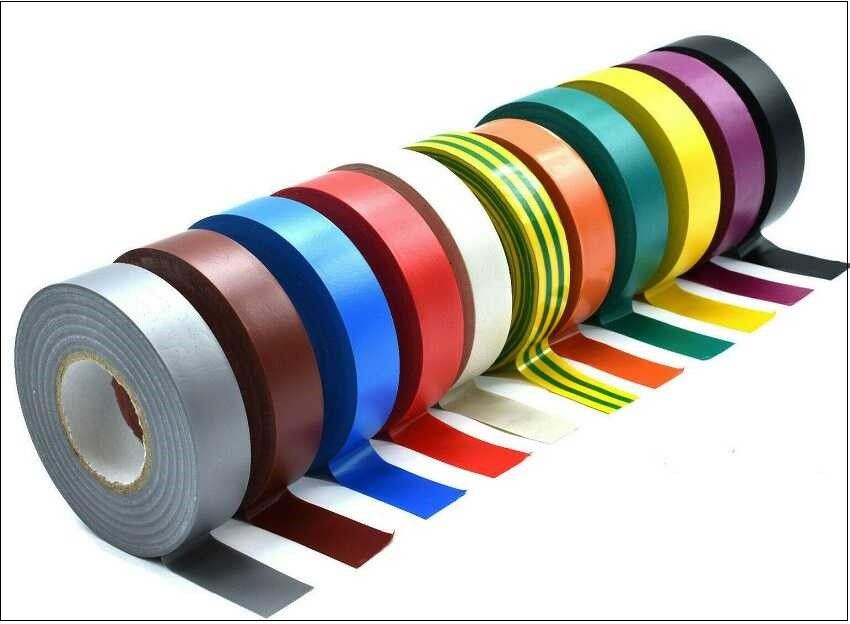
One of the main functions of electrical tape is to isolate devices such as wires, cables, sockets and switches, helping to prevent electricity from leaking out. This reduces the risk of electric shock and electrical-related incidents, ensuring safety during use.

Insulating tape is also resistant to water, oil and chemicals, helping to protect electrical equipment from harmful environmental factors. Thanks to this feature, the device is better protected, prolongs its life and maintains performance, especially in harsh environments.

In addition, insulating tape is used to fix electrical wire connections, making the connections strong and uniform. This helps avoid loose or separated connections, reduces the risk of short circuits and increases the stability of the electrical system.

Refer to the product here!
Related News

6 Essential Measuring Instruments in a Solar Technician’s Tool Bag
09/16/2026 14:19:49

A measurement toolkit for solar PV installers does not necessarily need to contain a large number of instruments or excessive functions. What matters is having the right tool for each task on the roof: measuring DC voltage, checking string current, verifying polarity, testing insulation, checking grounding, or commissioning the entire system.

5 Steps to Check Grounding for Rooftop Solar PV Systems During the Stormy Season
09/16/2026 11:51:17

Rooftop solar PV arrays are installed at elevated locations and contain numerous metal frames, aluminum rails, and long cable runs across the roof. As the stormy season approaches, the grounding and lightning protection systems should be inspected to ensure that fault current and lightning current can follow the intended paths.

Why Does a Soldering Iron Heat Up Quickly but Still Solder Slowly ?
09/16/2026 11:04:47

Before contacting the material, a handheld soldering iron mainly heats the soldering tip. Once soldering begins, heat is continuously transferred from the tip to the material. If the heat supply is not sufficient to compensate for heat loss, the temperature at the contact area drops and the processing time increases

Decoding the Challenges of Semiconductor Chip Testing
09/15/2026 13:57:41

In the semiconductor testing and measurement sector—where every nanosecond and microvolt can determine the success or failure of a chip design—choosing the right test equipment has never been simply a matter of comparing specifications on paper.

Causes of nylon fabric yellowing
09/15/2026 10:05:40

Nylon fabric yellowing is a surface color change in which white or light-colored material turns yellow when exposed to light, heat, or chemicals. Therefore, a fabric color fastness tester is an essential part of the quality control process, helping manufacturers evaluate color stability before discoloration occurs in finished products.

Stay Updated with Offers

Get exclusive volume discounts, bulk pricing updates, and new product alerts delivered directly to your inbox.

By subscribing, you agree to our Terms of Service and Privacy Policy.

Quick Support

Direct access to our certified experts