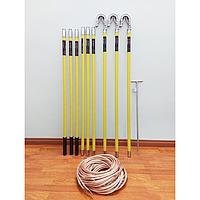
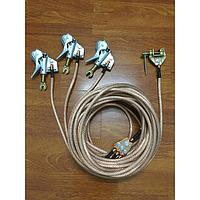
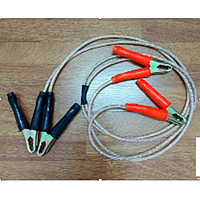
Temporary Short Circuit Earthing Sets
Working on de-energized electrical systems still requires a reliable path to earth before maintenance begins. In utility networks, substations, overhead lines, and industrial power installations, Temporary Short Circuit Earthing Sets are used to discharge residual energy, equalize potential, and reduce risk for personnel during service work.
This category focuses on portable grounding and short-circuit earthing solutions for low-, medium-, and high-voltage tasks. The range includes complete sets, grounding hooks, portable earthing kits, and supporting clamping components suited to different working methods and voltage classes.

Where temporary earthing sets are used
These products are commonly selected for planned shutdowns, line maintenance, switchgear work, and field service on distribution or transmission assets. Once a circuit has been isolated and verified, a temporary earthing set helps create a controlled connection between conductors and earth so induced or accidental voltage is handled more safely.
Depending on the job, the requirement may involve low-voltage panels, medium-voltage overhead lines, or high-voltage systems such as 110 kV, 220 kV, and 35 kV applications. In practice, the choice of set depends on conductor arrangement, working distance, cable length, clamp style, and how the grounding point is accessed.
Typical product types in this category
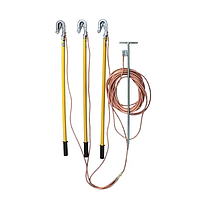
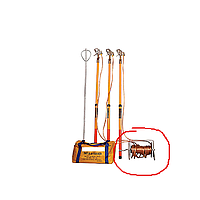
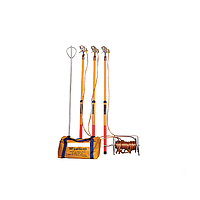
The category includes several practical formats rather than one single configuration. Portable three-phase kits such as the VIỆT NAM TĐ-35 Portable 3-phase earthing (35kV) are intended for structured field grounding tasks, while medium-voltage portable kits like the VIỆT NAM MVP(2m, 3m) Medium Voltage Portable Earthing Kit and MVP(3m, 5m) versions support work where reach and handling length matter.
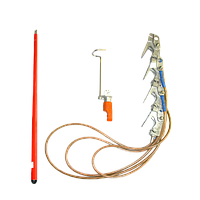
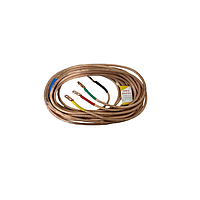
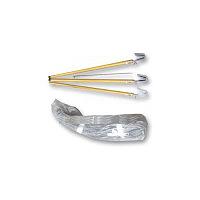
For higher-voltage environments, examples such as the VIỆT NAM Bộ dây tiếp địa 110kv, VIỆT NAM dây tiếp địa 220kv Bộ dây tiếp địa (220kv), and VIỆT NAM TĐ-220 Earth Kit (220kV) illustrate how cable sets are configured for longer spans and different connection layouts. This category also includes specialized grounding hook sets from HASEGAWA, including Type S and Type F models for 6.6~22 kV work, as well as accessory-style items such as automatic clamps for overhead lines.
Key components that affect selection
A complete temporary grounding set is usually defined by more than voltage rating alone. Buyers often compare the number of main and branch cables, conductor material, cable cross-section, opening length, clamp design, grounding rod arrangement, and the use of insulated operating sections for safer installation and removal.
For example, some listed sets use copper cables in 16 mm², 25 mm², or 35 mm² configurations depending on the intended duty. Other products emphasize the clamping side, such as the VIỆT NAM Autoclamp Medium voltage overhead lines Automatic clamps, which is presented as a supporting solution for overhead-line grounding workflows rather than a standalone substitute for a full earthing kit.
When the installation point is harder to access, the working method may also require compatible insulated tools. In these cases, related equipment such as hot stick solutions can be relevant for live-line procedures, controlled switching sequences, or safer handling distance during setup.
Low-voltage, medium-voltage, and high-voltage differences
Low-voltage grounding sets are usually more compact and are often used around outgoing breakers, cable terminations, or maintenance points in industrial distribution systems. A product such as VIỆT NAM TA-19 Low voltage grounding reflects that kind of application, where portability, quick connection, and practical storage accessories are important.
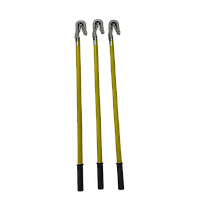
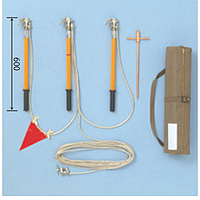
Medium-voltage earthing kits typically balance portability with sufficient reach and conductor capacity for field work on line equipment. Grounding hook sets such as HASEGAWA Type S Grounding Hook Set (6.6~22 kV) and Type F Grounding Hook Set (6.6~22 kV) are examples of compact systems that combine insulating sticks, grounding wires, and grounding bars into a transportable set.
At higher voltage levels, cable length, layout, and physical access become more demanding. Products in the 35 kV, 110 kV, and 220 kV range often require longer main cables, multiple branch leads, and a more deliberate setup sequence to ensure all phases and earth connections are made correctly.
How to choose the right set for the job
The most effective way to compare options is to start with the actual work scenario. Consider the system voltage, whether the job is indoors or outdoors, how many phases must be bonded, where the grounding point is located, and whether the crew needs a compact portable kit or a longer cable assembly for substation and line work.
It is also important to review conductor cross-section, cable length, clamp opening, and the presence of accessories such as grounding rods, carrying bags, or integrated clamps. A 35 kV portable set and a 220 kV grounding kit may serve the same general safety purpose, but they are not interchangeable in routine field conditions.
Because temporary grounding is only one part of electrical safety preparation, buyers often pair these products with other protection items such as insulating gloves and boots or an insulating carpet depending on the work area and access conditions.
Manufacturer examples in this range
The category highlights products from VIỆT NAM and HASEGAWA, each representing slightly different use cases within portable earthing equipment. VIỆT NAM products in this selection cover a broad range from low-voltage grounding sets to 35 kV, 110 kV, and 220 kV assemblies, including cable sets with or without clamps and dedicated portable earthing kits.
HASEGAWA is represented here by grounding hook sets for the 6.6~22 kV range, which are useful when a compact, field-oriented configuration is needed. Rather than viewing one brand as universally better, it is more practical to compare available sets by voltage class, structure, handling method, and site requirement.
Why category-level comparison matters
On a technical B2B category page, the goal is not only to find a product name but to narrow down the right configuration for maintenance practice. Comparing complete sets, grounding hook systems, and clamping accessories in one place helps engineers, buyers, and contractors move from general requirement to workable shortlist more efficiently.
This is especially helpful when different teams use different terminology such as earthing set, grounding set, grounding hook, portable earth kit, or short-circuit earthing assembly. Even when the naming varies, the purchasing logic remains the same: match the product structure to the voltage level, access method, conductor arrangement, and required operating distance.
Final considerations before purchase
Before selecting a model, review the physical setup of the worksite and the intended grounding procedure in detail. Cable cross-section, cable length, number of leads, clamp format, rod length, and portability all affect whether a set will be practical in daily operation.
This category brings together portable earthing kits, grounding hook sets, and high-voltage grounding assemblies for a range of electrical maintenance needs. If you are comparing options for overhead lines, substations, or industrial distribution work, use the listed products to identify the most suitable combination of voltage class, handling method, and grounding arrangement for your application.
Get exclusive volume discounts, bulk pricing updates, and new product alerts delivered directly to your inbox.
By subscribing, you agree to our Terms of Service and Privacy Policy.
Direct access to our certified experts