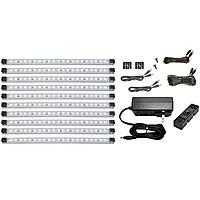
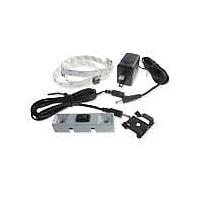
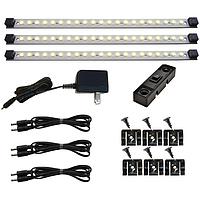
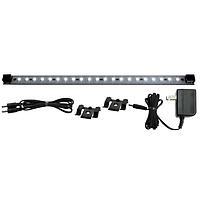
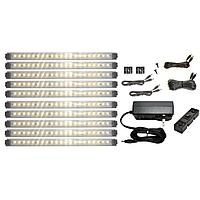
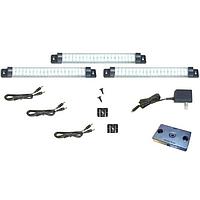
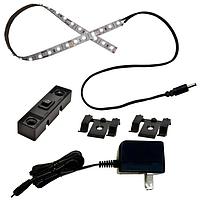
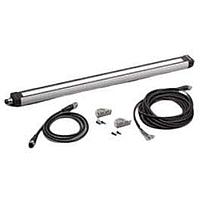
LED Lighting Kits
When a project needs lighting that is faster to specify and easier to assemble, a pre-matched kit can save time across design, purchasing, and installation. Instead of sourcing each piece separately, engineers and buyers can evaluate a more complete package with compatible lighting elements and supporting parts already grouped for a defined use case.
LED Lighting Kits are commonly used where consistent illumination, simplified installation, and cleaner bill-of-material management matter. They can support commercial fixtures, display lighting, task lighting, cabinet lighting, and other low-voltage LED implementations where a coordinated solution is more practical than building from individual parts.
Why LED lighting kits are useful in technical and commercial projects
In B2B environments, lighting selection is rarely only about brightness. Buyers often need a combination of form factor, mounting convenience, electrical compatibility, and installation efficiency. A kit-based approach helps reduce the risk of mismatched components and can streamline both prototyping and repeat deployment.
This is especially helpful for OEM integration, retrofit work, and facility upgrades where project timelines are tight. Compared with ordering separate lamps, modules, connectors, and mounting accessories one by one, LED lighting kits can make specification and replenishment more straightforward.
What is typically considered within this category
This category generally covers kit-based LED lighting solutions intended to work as a coordinated set rather than as a single standalone component. Depending on the application, a kit may center on the light source itself and include the practical elements needed to support setup, connection, or mounting.
For buyers comparing options across the broader LED ecosystem, it can also be useful to look at related products such as LED lighting fixtures for more integrated housings, or light bars and strips when the project requires a more modular layout. The right choice depends on whether the priority is rapid deployment, custom arrangement, or replacement within an existing design.
Typical applications for LED lighting kits
LED lighting kits are often selected for spaces that need practical, energy-efficient illumination with predictable installation steps. Common examples include under-cabinet lighting, work areas, shelving, retail displays, architectural accents, and enclosed equipment spaces where compact LED-based solutions are preferred.
They can also be relevant in light industrial or commercial settings where installers want repeatable results across multiple locations. In these cases, using a kit can help standardize the lighting approach and reduce variation between installations, particularly when several sites or identical assemblies are involved.
How to evaluate the right kit for your project
Selection should start with the application environment and mounting constraints. Consider the available space, the target lighting effect, power requirements, and whether the installation is permanent, serviceable, or part of a repeatable assembly process. For many buyers, ease of integration is just as important as the light output itself.
It is also worth checking how the kit fits into the surrounding system. Some projects may need accessories or replacement parts that sit outside the base kit scope. In those situations, related categories such as lighting fixture accessories can provide useful context for completing the installation without forcing unnecessary redesign.
Relationship to other LED product types
Not every LED project is best served by a kit. If the requirement is a simple visual signal on a control panel or machine interface, products in LED indication may be more appropriate than a lighting-oriented assembly. By contrast, kits are more relevant when the goal is area illumination, task lighting, or decorative and functional light distribution.
This distinction matters in sourcing because similar technologies can serve very different purposes. Understanding whether the project needs indication, modular lighting elements, or a more complete kit helps buyers narrow specifications and avoid selecting a product family that does not match the intended use.
Manufacturers commonly associated with LED lighting solutions
Within broader lighting and electronic component sourcing, manufacturers such as Molex, IDEC, and Inspired LED may appear in project research depending on the required product style and installation approach. The practical value of a supplier often comes from how well its offerings align with the application, not simply from brand familiarity.
For procurement teams, it is useful to compare product format, installation concept, and compatibility with the rest of the build. In many cases, the best path is to start from the application requirements and then shortlist suitable manufacturers or product families that support that use case.
Choosing with long-term maintenance in mind
A lighting decision should also account for serviceability over time. Projects that may expand later, require replacement parts, or need consistent lighting across multiple installations benefit from a category structure that is easy to revisit. This is one reason many buyers prefer organized kit-based solutions during initial rollout.
Thinking ahead about replenishment, mounting changes, and accessory availability can reduce downtime and purchasing friction later. For multi-site deployments or repeated assemblies, consistency in the selected lighting approach is often just as valuable as the initial installation speed.
Final thoughts
For many commercial and technical lighting projects, LED lighting kits offer a practical middle ground between fully custom assemblies and fully integrated fixtures. They are especially useful when the goal is to simplify specification, improve installation efficiency, and keep the lighting package easier to manage across procurement and maintenance.
As you compare options, focus on the application, the installation method, and how the kit fits into the broader LED system around it. That approach makes it easier to choose a solution that supports both immediate project needs and long-term operational consistency.
Get exclusive volume discounts, bulk pricing updates, and new product alerts delivered directly to your inbox.
By subscribing, you agree to our Terms of Service and Privacy Policy.
Direct access to our certified experts