LED Lighting Mechanical
Mechanical parts often determine whether an LED lighting design is easy to assemble, reliable in operation, and maintainable over time. When engineers select the right holders, covers, bases, clips, and mounting hardware early in the design process, they reduce installation risk and create a more stable foundation for the optical and electrical parts of the system.
LED Lighting Mechanical products support the physical integration of LED modules and related components in luminaires, indicators, signaling devices, and custom lighting assemblies. This category is especially relevant when the project requires secure mounting, repeatable positioning, simplified field service, or compatibility with a broader LED platform.
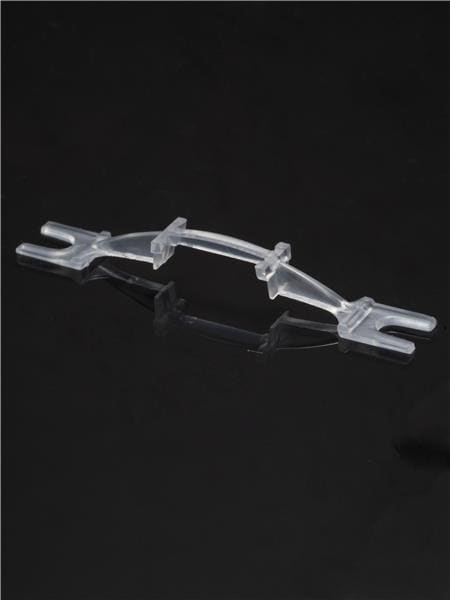
Why mechanical components matter in LED lighting assemblies
In many LED systems, the light source is only one part of the overall solution. Mechanical components help align the LED package, protect surrounding parts, support enclosure integration, and make installation more consistent across prototypes and production runs. They also influence serviceability, especially when fixtures or modules need to be replaced without extensive rework.
This becomes even more important in commercial and industrial environments where vibration, thermal cycling, and repeated maintenance can affect long-term performance. A well-matched holder or base can improve assembly quality and reduce wiring or mounting errors, while covers and shields can add another layer of functional protection around the illuminated device.
Typical product types found in this category
This category generally includes LED holders, mounting accessories, module bases, protective covers, and similar hardware used to secure or support LED lighting elements. These products are not the light-emitting component themselves; instead, they provide the mechanical interface between the LED and the fixture, panel, or supporting structure.
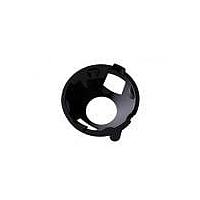
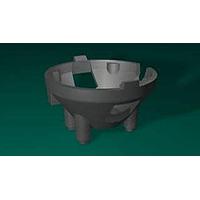
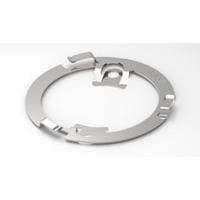
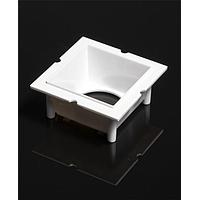
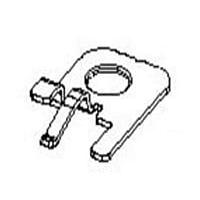
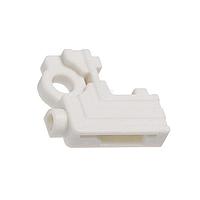
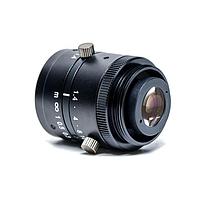
Examples in this selection include TE Connectivity LUMAWISE holders and module bases, screw-mount accessories from Ledil, and installation hardware such as the PHOENIX CONTACT HS LC-D5SP-45. Products like the Banner Engineering K50DS daylight shield show that mechanical support can also include accessories designed to improve usability in real application conditions, not only basic mounting.
How these parts fit into the wider LED ecosystem
Mechanical hardware should be chosen with the rest of the LED system in mind. The physical dimensions of the LED package, the intended mounting method, enclosure geometry, and service access all affect which holder or accessory is appropriate. In many projects, these parts work alongside LED bulbs and modules, drivers, control electronics, and optical elements.
For example, a holder designed for a specific LED footprint can simplify assembly and improve repeatability, while a compatible clip or base can support downstream integration with heat management and fixture design. If the application also depends on beam shaping, it is useful to consider the relationship between mechanical interfaces and LED lighting optics during the design phase.
Representative solutions from leading manufacturers
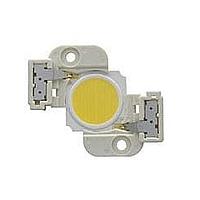
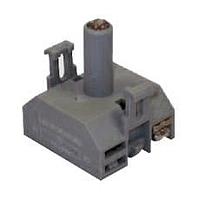
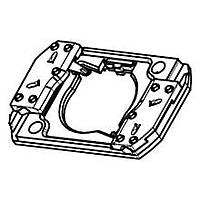
TE Connectivity is prominently represented in this category with several LUMAWISE and solderless holder solutions. These products are commonly selected when engineers need a defined mechanical interface for LED arrays or COB-style assemblies, especially where clean installation and repeatable positioning are priorities. Module bases and covers in the same ecosystem can also help standardize the physical design of the luminaire.
AMP Connectors - TE Connectivity products in this range include holder variants for different LED formats and control approaches, such as on/off or 0-10 V related configurations within the broader assembly concept. PHOENIX CONTACT contributes mounting accessories for LED lighting integration, while Ledil adds accessory hardware that supports the use of optical and mechanical elements together. Banner Engineering’s daylight shield is a practical example of how accessory hardware can improve visibility and environmental suitability in signaling applications.
Selection criteria for engineers and buyers
When comparing products in this category, start with the mechanical compatibility of the part. Check the intended LED format or platform, mounting style, shape, and dimensional fit within the fixture or panel. Even when two parts look similar, differences in diameter, height, or mounting approach can affect assembly time and final performance.
Next, consider how the part supports the full product lifecycle. A screw-mounted holder may be preferred where retention and service access matter, while panel-mounted or modular solutions can be useful in standardized assemblies. If your design also involves drivers or controls, reviewing related LED lighting electronics at the same time can help avoid integration issues later.
Application scenarios for LED lighting mechanical hardware
These products are widely used in architectural lighting, commercial luminaires, machine indicators, industrial signaling devices, and custom OEM assemblies. In such applications, the mechanical layer supports repeatable installation and can help ensure that LEDs, covers, and related parts remain properly positioned during operation.
For manufacturers and integrators, the right hardware also helps streamline assembly processes. A holder designed for a specific LED family can reduce manual alignment steps, while a module base or cover can simplify the transition from an electrical subassembly to a finished lighting product. This is particularly valuable in projects that require a balance between production efficiency and maintainable field installation.
Examples of products in this category
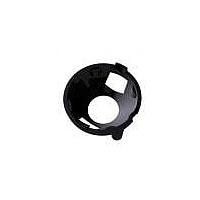
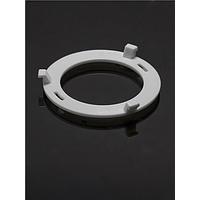
Within this range, the Ledil C14353_FLORENCE-1R-CLIP-A illustrates the role of a compact mounting accessory used with a defined optical ecosystem. TE Connectivity options such as the 1-2325807-3 LUMAWISE Z45 LED Holder 19x19, the 6-2154874-3 solderless holder for Citizen CLL040, and the 2213831-2 module base show how mechanical parts can address different integration tasks, from LED retention to base assembly.
Other examples include the AMP Connectors - TE Connectivity 2316510-3 and 3-2213699-4 holder variants, which reflect the need for different LED formats and assembly configurations. The PHOENIX CONTACT 1474361 mounting accessory and Banner Engineering K50DS sun shield further highlight the breadth of this category, covering both core mounting functions and application-specific mechanical support.
Choosing the right category for your project
If your requirement is primarily about securing, covering, or mechanically integrating an LED component, this category is the right place to start. If you are still selecting the actual emitting component, a LEDs or module-focused category may be more relevant first. Likewise, if the main challenge is beam control or driver integration, optics or electronics may deserve parallel review.
Used correctly, mechanical components help turn a lighting concept into a buildable and serviceable product. By focusing on fit, mounting method, and compatibility with the surrounding LED ecosystem, buyers and design teams can narrow down suitable parts more efficiently and support a smoother path from development to production.
For LED projects, strong mechanical design is rarely an afterthought. The right holder, base, cover, or accessory can make assembly more consistent, support long-term reliability, and improve how the final lighting system is integrated in the field.
Get exclusive volume discounts, bulk pricing updates, and new product alerts delivered directly to your inbox.
By subscribing, you agree to our Terms of Service and Privacy Policy.
Direct access to our certified experts