
Solar Cable
Reliable power transmission in photovoltaic systems depends heavily on cable selection. In outdoor solar installations, conductors are exposed to sunlight, heat, mechanical stress, and long operating hours, so choosing the right Solar Cable is not just a matter of fit—it directly affects safety, durability, and long-term system performance.
This category brings together cable options used in solar energy wiring, from panel interconnection and string wiring to broader DC power runs where insulation strength, conductor quality, and environmental resistance matter. Whether you are sourcing for new builds, maintenance stock, or OEM assembly work, the available range supports different voltage classes, conductor sizes, and installation requirements.
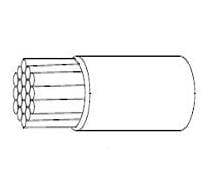
Built for photovoltaic environments
Solar cable is designed for applications where wiring must remain dependable in demanding outdoor conditions. Compared with general-purpose wire, these products are commonly selected for their ability to handle temperature variation, insulation stress, and continuous exposure associated with photovoltaic systems.
Within this category, you will find cables with constructions such as tinned copper conductors and XLPE or ETFE-based insulation systems. These material choices are relevant in solar work because they help support electrical stability, mechanical flexibility, and resistance to environmental factors over the life of the installation.
Common use cases across solar power systems
In practical installations, solar cable is used for DC-side connections between modules, combiner arrangements, inverter input runs, and related power distribution paths. Selection usually depends on current load, routing distance, installation method, and the voltage class required by the system design.
Smaller gauges may be suitable for signal-adjacent or lighter-current wiring tasks, while heavier conductors are used when current carrying capacity and voltage drop become more critical. For projects that involve broader cable management needs beyond photovoltaic wiring, related categories such as hook-up wire or specialized cables can also help support complete system sourcing.
What to look for when choosing solar cable
A good starting point is conductor size. AWG selection affects ampacity, flexibility, and voltage drop, so it should align with the electrical design rather than simply choosing the largest or smallest available option. This category includes examples ranging from 16 AWG and 14 AWG up to 4 AWG and 2 AWG, giving buyers options for different sections of a solar installation.
The next major consideration is voltage rating. Some products in this range are rated for 600 V, while others are built for 2 kV applications. Matching the cable to the system voltage is essential for compliance and reliable operation. Temperature capability and insulation type also matter, especially where wiring may be routed through hot equipment spaces or exposed outdoor pathways.
It is also worth reviewing conductor material and insulation construction together. Tinned copper is frequently chosen in solar environments because it supports conductivity while helping address harsh operating conditions. Where higher heat tolerance or more demanding environmental performance is needed, buyers may also compare options alongside temperature wire and cable categories for broader project planning.
Representative product types in this category
Several products in this range illustrate how solar cable can vary by gauge, length, and intended duty. For example, Belden offers spool-based options such as the 38012 0101000 and 38216 0101000, which are suited to larger installation or stocking requirements where longer continuous lengths are needed. These products reflect common purchasing patterns for panel builders, contractors, and industrial buyers managing repeat cable runs.
Alpha Wire also appears in this category with photovoltaic cable options such as the PV1230 BK005, PV0430 BK005, and PV0230 BK005. These examples show how buyers may select between 12 AWG, 4 AWG, and 2 AWG constructions depending on system current and run length. In contrast, Raychem - TE Connectivity and AMP Connectors - TE Connectivity products in the list represent wire types with ETFE-based insulation and higher temperature capability that may be relevant where more specialized electrical and environmental requirements apply.
Understanding insulation and construction differences
Not all solar-related cable constructions serve exactly the same role. XLPE insulation is commonly associated with robust power cable performance in photovoltaic systems, especially where mechanical durability and outdoor suitability are important. Many of the Belden and Alpha Wire products listed here follow that general profile.
ETFE-based constructions, including examples from Raychem - TE Connectivity and AMP Connectors - TE Connectivity, bring a different set of characteristics that may be relevant in compact assemblies or higher-temperature environments. These products should be selected according to the application requirements, not treated as interchangeable with every photovoltaic cable type. For buyers comparing broader material strategies across brands, the Belden range can be a useful reference point within this category.
How B2B buyers typically evaluate stock
For procurement teams, MRO buyers, and project engineers, the decision often goes beyond basic electrical matching. Stock format matters too: some products are sold by the foot, which can be useful for prototyping, repair, or lower-volume assembly work, while others are supplied in 100 ft or 1000 ft spools to support production runs and field installation efficiency.
Application fit should therefore be reviewed alongside purchasing format, handling needs, and installation workflow. A shorter cut-to-length wire may help reduce waste in specialized assemblies, while spool-based solar cable is generally more practical for repetitive routing in commercial or industrial photovoltaic projects. Organizing runs with supporting accessories such as cable ties can also improve installation consistency and serviceability.
Choosing with confidence
This category is intended to support buyers looking for dependable cable options for solar energy and related DC power applications. With a mix of gauges, insulation systems, voltage ratings, and supply lengths, it is easier to compare products according to actual installation requirements rather than shopping by name alone.
When selecting solar cable, focus on conductor size, voltage class, insulation type, operating temperature, and purchase format as the main decision points. A careful match between cable construction and application conditions will help support safer installation, smoother procurement, and more reliable photovoltaic system performance over time.
Get exclusive volume discounts, bulk pricing updates, and new product alerts delivered directly to your inbox.
By subscribing, you agree to our Terms of Service and Privacy Policy.
Direct access to our certified experts
