Acceptance test of newly installed equipment
When installing industrial equipment, initial vibration testing is an indispensable step. Factors such as location, balance, and quality of contact surfaces can directly affect the level of vibration of the equipment. Using a vibration meter during the acceptance phase ensures that the equipment meets the correct technical standards before being put into operation.
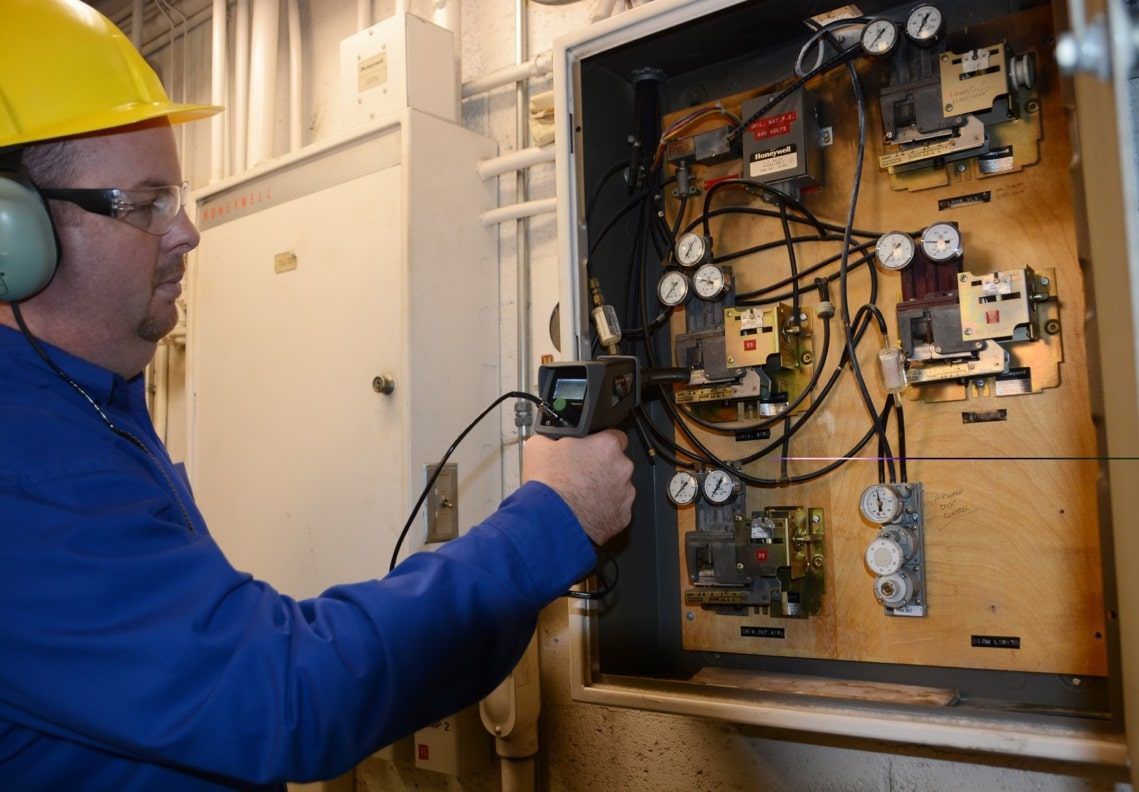
During this process, the vibration parameters of the equipment will be compared with the prescribed standards. If the vibration is found to exceed the allowable threshold, it is necessary to adjust the installation or reconfigure the equipment to avoid causing serious problems during long-term operation.
Vibration measurement during engine starting
Motors often experience strong vibrations during startup, due to rapid speed changes or unstable friction between moving parts. Periodic vibration measurements during this period help detect abnormalities such as misalignment, looseness or imbalance.
If the vibration exceeds the allowable level, this may be a warning sign that the motor has structural or mechanical problems that need to be addressed promptly. Checking vibration during startup not only helps to detect potential damage early, but also prevents major problems, ensuring stable and safe operation of the equipment.
Check equipment daily
Regular vibration measurement is an essential part of preventive maintenance. Performing this regularly allows the operator to continuously monitor the condition of the equipment, quickly detecting abnormalities. This not only prevents major damage but also ensures stable operation of the system.
Small changes in vibration can signal problems such as:
- Worn or unbalanced shafts.
- Loose mechanical parts.
- Damaged bearings or problems in the lubrication system.
Applications in predictive maintenance
Vibration meters are a useful tool in predictive maintenance. Instead of waiting for equipment to fail before repairing it, using vibration meters allows you to assess the actual condition of the machine and plan appropriate maintenance.
Comprehensive inspection of engine system in factory
In industrial plants, equipment such as industrial fans, compressors, water pumps, and generators play an important role in productivity and efficiency. Periodic vibration measurements help detect mechanical faults such as shaft misalignment, imbalance, or other problems early.
Comprehensive inspections not only help detect faults but also accurately assess the overall condition of the system. This helps managers take appropriate maintenance measures, ensuring sustainable and efficient operation of the plant.
Factors affecting the accuracy of device diagnosis
Environmental conditions
When performing vibration measurements, the surrounding environment plays an important role, directly affecting the accuracy of the results. Factors such as abnormal temperature and humidity can change the physical properties of the sensor and equipment, leading to incorrect measurement results.
In addition, background vibrations from other equipment in the area can also cause interference, causing inaccurate measurement data. Therefore, it is necessary to choose a stable measurement space, avoiding sources of interference or large temperature fluctuations to ensure that the results accurately reflect the condition of the equipment.
Location and mounting of sensors
The location and method of mounting the sensor have a great influence on the diagnostic results. Insecure sensor mounting, incorrect location or unclean contact surface can lead to incorrect measurement data. To ensure accuracy, it is necessary to select the appropriate location, tighten the sensor with sufficient force and keep the contact surface clean.
Operator skills
The accuracy of the diagnosis also depends on the operator's skill level. Users of vibration meters need to understand how to set up, select parameters and perform measurements correctly.
In addition to operating the equipment, data analysis skills are also very important. The ability to identify abnormal signs and provide appropriate maintenance solutions helps ensure stable operation of the equipment and avoid major damage.
Analysis of advantages and disadvantages of vibration meter diagnostic method
Outstanding advantages
- Early Failure Detection
Vibration monitors help identify abnormalities and potential problems in systems before they cause serious damage to equipment. This helps reduce risk and keep machinery running smoothly.
- Reduced Downtime
When equipment fails, downtime for repairs can be costly and disruptive to production. Using vibration monitors to schedule maintenance based on the actual condition of the equipment helps reduce unnecessary downtime.
- Increase equipment life
This method supports periodic maintenance and early detection of problems, thereby ensuring durable equipment operation and extended service life.
- Reduce maintenance costs
Accurately diagnosing the condition of machinery helps optimize maintenance activities, avoid unnecessary repairs and save costs.
Disadvantages to note
- High technical requirements
Operators need to be properly trained to understand and analyze measurement results properly.
- High investment costs
Vibration meters and supporting equipment are often expensive, especially for modern models, requiring businesses to make a significant initial investment.
- Limitations in some cases
Not all equipment problems are related to vibration. Some failures due to other causes (such as electrical or thermal faults) may not be detected by this method.
Practical Application: Fluke 805 Vibration Meter
The Fluke 805 is a state-of-the-art vibration meter that features high sensitivity and the ability to provide accurate results. It helps operators comprehensively analyze the condition of machinery, thereby providing timely warnings to prevent unwanted incidents.
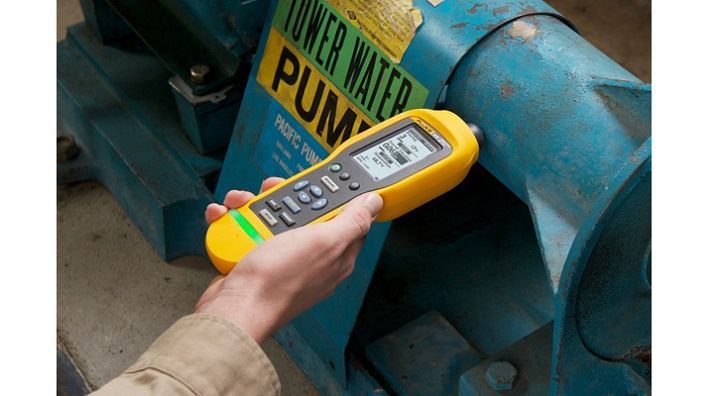
The Fluke 805 is especially effective in assessing the vibration condition of machinery, detecting problems such as damage, misalignment, or imbalance early, helping businesses optimize performance and extend equipment life.