
For full functionality of this site it is necessary to enable JavaScript.
EMIN.ASIA
0

Engine Running Jerkily, VFD Reporting Encoder Fault, How to Check for Encoder Pulse Loss

09/08/2026 10:09:36

Encoder là bộ phận nhỏ gắn trên trục động cơ, làm nhiệm vụ đếm chính xác động cơ đang quay bao nhiêu vòng, đang ở vị trí nào, rồi gửi tín hiệu xung liên tục về biến tần hoặc bộ điều khiển. Hệ thống dựa hoàn toàn vào chuỗi xung này để biết động cơ đang chạy đúng tốc độ, đúng vị trí hay chưa. Mất xung tín hiệu encoder tương đương hệ thống đột ngột mất khả năng nhìn thấy động cơ đang làm gì, kết quả thường thấy nhất là động cơ chạy sai lệch, giật cục, hoặc biến tần dừng khẩn cấp kèm mã lỗi như Encoder Fault, PG Fault.

Motor Jerking and Inverter Displaying Encoder Fault: What Are the Causes?

Most pulse loss cases fall into four root cause categories: electromagnetic interference (EMI) along the signal line, physical cable or connector damage, dirty or failed encoder optical/magnetic heads, or faulty signal input circuits on the inverter/PLC side. Each category presents unique symptoms that must be correctly identified prior to dismantling equipment for repair.

Why Are Encoder Signal Cables Susceptible to Interference and Missing Pulses?
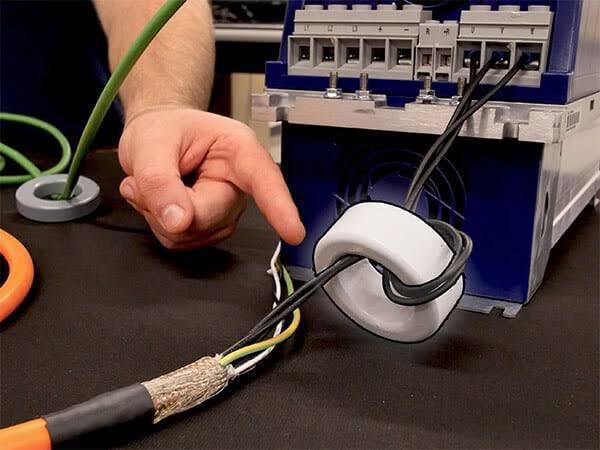
Encoder signal cable

Encoder signals consist of very low-voltage electrical pulses that are easily affected by magnetic fields generated by nearby high-power motor cables. Routing signal cables in shared trays or conduits with motor power lines introduces false pulses over genuine ones or causes complete pulse loss during heavy motor loads. This issue is among the hardest to detect visually, typically manifesting only when the motor operates at high speeds or under sudden load changes.

Fundamental preventive measures include routing signal cables completely separate from motor power cables, utilizing shielded encoder cables, and properly grounding the shield according to technical standards.

How to Detect Internal Wire Breaks or Loose Connectors in Encoder Cables?

Feedback signal cables connecting encoders to inverters often undergo repeated bending during machine motion. Over time, internal conductors may fracture inside the outer jacket while appearing intact externally. Loose connectors resulting from machine vibration or improper installation cause similar intermittent signal loss.

The simplest diagnostic method is performing continuity tests on each encoder wire using a multimeter while gently flexing the cable along its length to detect internal fractures or intermittent contact points.

How Do Dirty Code Discs and Damaged Optical Sensor Heads Affect Encoder Signals?

Encoders house an internal code disc rotating with the motor shaft, alongside optical or magnetic sensors reading disc graduations to generate pulses. Dust, grease, or oil accumulation on the disc or sensor weakens or interrupts signal readings, mimicking cable-induced pulse loss. Age-related sensor degradation yields similar results, which remain difficult to distinguish visually without disassembling the encoder for inspection.

How Do Hardware Faults in Inverters, PLCs, or PG Cards Cause Missing Pulses?

Even when an encoder emits correct pulses, component failures within the receiving circuitry on the inverter, PLC, or PG card lead to inaccurate readings or signal loss. This scenario causes frequent misdiagnoses, with technicians often misattributing the issue to the encoder when the root cause lies within the controller interface.

How to Test and Troubleshoot Encoder Signal Pulse Loss
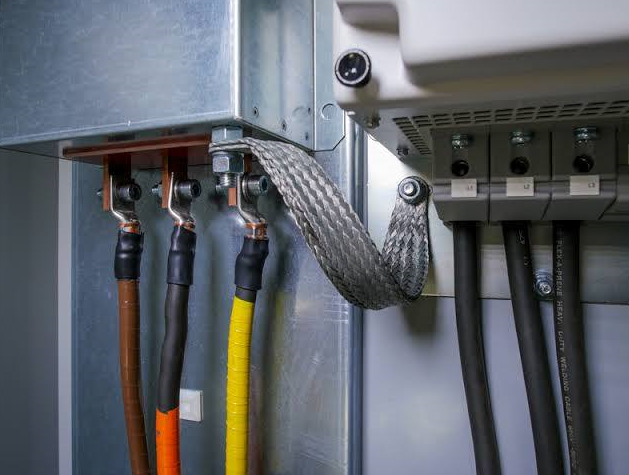
- Test encoder cable continuity and thoroughly clean all contact points and connectors.

- Verify that cable shield integrity is maintained and that grounding connections are properly bonded without loose joints.

- Use an oscilloscope to directly measure output pulses across channels A, B, and Z, comparing observed waveforms against standard manufacturer specifications.

- In cases of internal hardware failures involving the code disc or optical sensor, contact specialized repair services or replace the encoder. Do not attempt unauthorized disassembly without proper technical expertise.

Explore related products at EMIN: Tachometers & Pulse Counters
Related News

The scent of new wood in a newly handed-over apartment: How to measure and address formaldehyde (HCHO) levels before moving in
11/14/2026 10:28:19

Many people refer to the pungent, acrid odor that emerges when opening a new cabinet as the "smell of new wood," assuming it will simply dissipate after a few days. In reality, however, what is being released could well be formaldehyde—a substance originating from the adhesives used in the pressed-wood panels—and our sense of smell is not a reliable enough gauge to determine the concentration levels present

Guide to Selecting a TCLP Toxicity Characteristic Leaching Procedure Shaker Configuration in Compliance with QCVN 07:2025/BNNMT and TCVN 9239:2012
11/13/2026 17:23:39

Regulation QCVN 07:2025/BNNMT (replacing QCVN 07:2009/BTNMT and QCVN 50:2013/BTNMT) specifies hazardous waste and sludge thresholds based on leachate concentrations. To ensure that analytical results for heavy metals and organic compounds are accepted during ISO/IEC 17025 or VIMCERTS assessments, laboratories must comply with the Toxicity Characteristic Leaching Procedure (TCLP) specified in TCVN 9239:2012, which is equivalent to US EPA Method 1311

Checking the Temperature of Paint and Coating Surfaces After Curing Using an Infrared Thermometer
11/13/2026 16:11:22

An infrared thermometer allows surface temperature measurement without direct contact, making it suitable for products coming out of curing ovens or surfaces that are difficult to access. However, to ensure reliable results for production quality control, it is important to understand the measurement principle and the factors that affect measurements on painted and coated surfaces.

Crowded Gyms and Yoga Studios: How to Manage Air Quality to Retain Members
11/13/2026 15:07:40

Around 6 or 7 in the evening, the gym becomes packed; the music drowns out the sound of heavy breathing, and the air conditioning runs at full blast behind closed doors. At first glance, everything seems fine: the room is cool, the lights are bright, and the equipment is state-of-the-art. Yet, after just a few sessions, regular members begin to feel a heavy-headedness and find themselves running out of breath more quickly eventually, they simply stop renewing their memberships. No one complains about the personal trainers or the exercise machines. The very thing that makes them feel stifled and drives them away is something entirely invisible: the air inside the room

Stay Updated with Offers

Get exclusive volume discounts, bulk pricing updates, and new product alerts delivered directly to your inbox.

By subscribing, you agree to our Terms of Service and Privacy Policy.

Quick Support

Direct access to our certified experts