Aluminum meter
Controlling aluminum concentration in water is important in many treatment and process environments, especially where residual metals can affect product quality, equipment performance, or compliance monitoring. This category brings together aluminum meter solutions used for liquid testing, from reagent-based measurement support to automatic analyzers for routine monitoring.
For engineers, laboratory users, and maintenance teams, the right setup depends on how measurements are performed in practice. Some applications need simple consumables for periodic testing, while others require continuous or semi-automatic analysis with signal output for integration into broader monitoring systems.
Where aluminum measurement is used
Aluminum analysis is commonly relevant in water treatment, industrial utility systems, and quality control points where dissolved metal concentration needs to be checked consistently. In these environments, testing helps operators identify process changes, verify treatment effectiveness, and maintain stable operating conditions.
Depending on the workflow, measurements may be carried out as spot checks in the lab or as part of a more automated line-monitoring approach. That is why this category includes both chemical testing support products and dedicated analyzers designed for ongoing measurement tasks.
Typical equipment found in this category
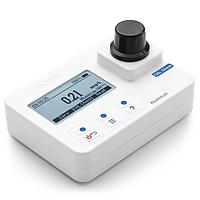
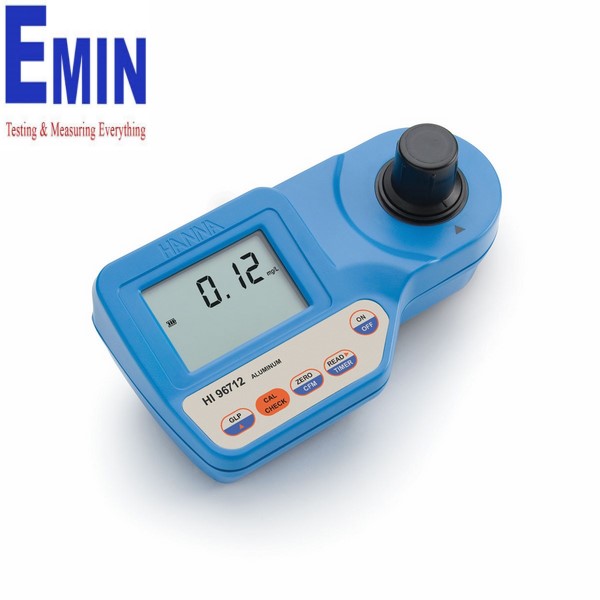
An aluminum meter setup may involve the instrument itself, the required reagents, and supporting accessories needed for repeatable testing. In practical use, reagent quality and method compatibility are just as important as the analyzer, because they directly affect how reliable the result is over time.
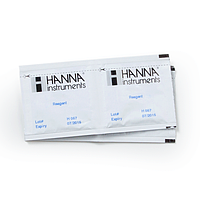
One example is the Hanna HI93712-01 reagent kit, which is used for aluminum testing with the aluminon method and supports 100 tests. Products like this are relevant when users need regular test preparation materials that match the intended measurement procedure.
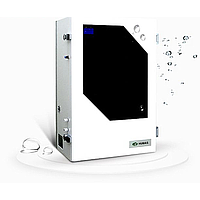
For applications that require a higher level of automation, the HUMAS AL4000 automatic aluminum analyzer represents a different approach. It is intended for continuous or routine process monitoring, with a defined measuring range and output options that can be useful in plant environments.
Manual testing versus automatic monitoring
The choice between reagent-based testing and an automatic analyzer usually starts with sampling frequency and operational requirements. If aluminum concentration is checked occasionally, a test workflow built around compatible reagents may be sufficient and easier to maintain.
When measurement needs to happen at regular intervals or be connected to control and reporting systems, an automatic aluminum analyzer can be more suitable. In that case, users typically look at factors such as measuring cycle, sample flow conditions, output signals, and maintenance intervals rather than only the basic measuring range.
This distinction matters because the best-fit solution is not always the most complex one. A smaller facility may prioritize straightforward periodic testing, while a larger plant may benefit from continuous data availability and alarm handling.
Key selection factors for an aluminum meter
Before choosing equipment, it helps to define the measurement objective clearly. Is the goal to confirm a concentration range, troubleshoot a treatment issue, or maintain routine process records? That answer influences whether a portable or reagent-supported method is enough, or whether a fixed analyzer is more appropriate.
Important points to review include measuring range, expected resolution, sampling method, reagent consumption, and the required level of automation. In process applications, users should also consider installation conditions such as available power, ambient environment, sample flow stability, and whether analog or digital communication outputs are needed.
If your testing workflow includes other chemical consumables, it can also be useful to review related categories such as other reagents for liquid testing. For quick field checks in broader water analysis routines, some users also compare methods with simple screening tools like test paper, depending on the parameter and required accuracy.
Featured manufacturers in this category
HANNA is widely associated with practical water analysis tools and reagent-based testing workflows, making it a natural fit for users who need dependable consumables for routine aluminum checks. In this category, its reagent kit is particularly relevant for laboratories and technicians working with established colorimetric methods.
HUMAS focuses more on instrument-based monitoring, and the AL4000 model illustrates the category’s automated side. For facilities that need repeatable measurement with signal output and process integration, this type of analyzer can support a more structured monitoring strategy.
How these products fit into a broader water testing workflow
Aluminum measurement is rarely handled in isolation. In many facilities, it is part of a larger liquid testing routine that may also include pH, conductivity, residual chemicals, ions, or other water quality indicators. Choosing compatible instruments and consumables helps reduce training effort and keeps maintenance more predictable.
Where ion-specific analysis is part of the same workflow, users may also look at related tools such as ion measurement electrodes. This broader view is often helpful when planning a complete monitoring setup instead of purchasing a single item in isolation.
Choosing the right solution for your application
The most suitable aluminum meter depends on how often you test, how results are recorded, and how the measurement point is operated day to day. Reagent-based options are often a practical choice for periodic checks, while automatic analyzers are better aligned with continuous oversight and plant-level monitoring.
By comparing method compatibility, maintenance needs, and integration requirements, buyers can narrow down the category more effectively and avoid over-specifying the system. If you are building or upgrading a water testing workflow, this category provides a focused starting point for selecting the right aluminum measurement solution.
Get exclusive volume discounts, bulk pricing updates, and new product alerts delivered directly to your inbox.
By subscribing, you agree to our Terms of Service and Privacy Policy.
Direct access to our certified experts