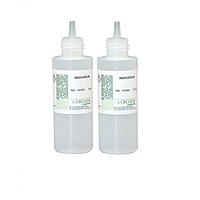
Hydrazine meter
In boiler water treatment, power generation, and some industrial water circuits, even a small concentration of hydrazine can affect process control, corrosion management, and chemical dosing decisions. Choosing the right Hydrazine meter category is therefore not only about measurement range, but also about selecting a practical testing workflow that fits routine monitoring, reagent handling, and the required level of control in the field or laboratory.
This category brings together hydrazine testing solutions used for water and liquid analysis, with a focus on dependable measurement support for operators who need clear results in low concentration ranges. It is especially relevant where hydrazine is monitored as part of feedwater treatment, condensate systems, or broader environmental and industrial liquid testing programs.
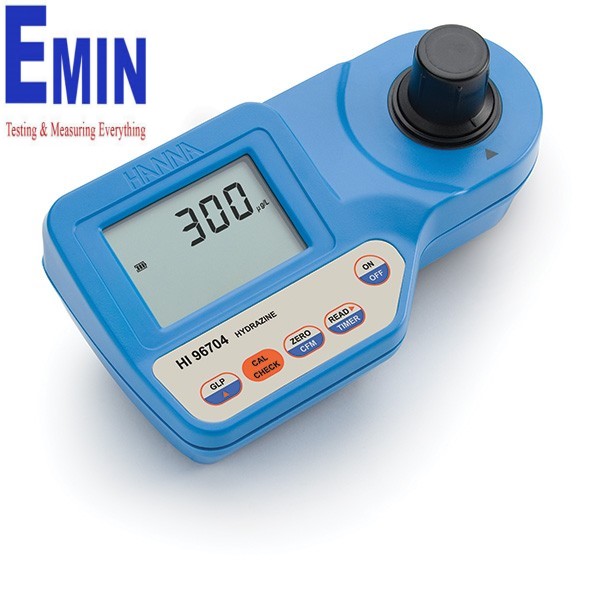
Where hydrazine measurement matters
Hydrazine is commonly associated with oxygen scavenging in boiler and steam systems, where maintaining the correct residual level helps support corrosion protection and process stability. In these applications, measurement is not just a compliance task; it is part of day-to-day operational control that influences chemical consumption, equipment condition, and water quality management.
A suitable hydrazine testing setup is also useful when teams need repeatable checks across multiple sampling points. Whether measurements are performed in a plant utility room, a treatment skid, or a maintenance lab, the value of the instrument lies in giving operators a straightforward way to verify concentration and react quickly when values move outside the expected window.
What to expect from this product category
This category is centered on hydrazine analysis tools and supporting consumables for liquid testing. In practice, that often means a combination of test modules and recharge reagents rather than a single standalone device, because many water analysis workflows depend on reagent-based colorimetric or modular measurement methods.
For users building or maintaining a testing routine, this makes the category useful both for initial setup and for ongoing operation. If your process already uses reagent-based water analysis, it is also worth reviewing related consumables such as other reagents to keep testing continuity across multiple parameters.
Representative products in the range
Several products in this category illustrate how hydrazine monitoring is supported in practical use. The Aqualabo 1MT019 Module test hydrazine N2H4 (0,10 - 1,00 mg/l) is positioned as a test module for low-range hydrazine measurement, suitable for applications where the target concentration must be checked with precision in a defined working interval.
To support repeat testing, the range also includes consumables such as Aqualabo 1MT323 Recharge reagents hydrazine N2H4 (0,10-1,00 mg/l) and Aqualabo 1MS323 Recharge reagents hydrazine N2H4 (0.10 - 2.00 mg/l). These products are important because reagent availability directly affects testing consistency, maintenance planning, and the ability to sustain regular monitoring without interruption.
For buyers who already work with Aqualabo equipment, this category provides a focused path to hydrazine-specific modules and replenishment items without having to search across unrelated water analysis products.
How to choose the right hydrazine testing solution
The first selection factor is measurement range. In this category, available examples include low-range intervals such as 0.10 to 1.00 mg/l N2H4 and 0.10 to 2.00 mg/l N2H4. The appropriate choice depends on the expected hydrazine concentration in your system and how closely your operating targets align with those ranges.
Another important point is the role of the product within the measurement workflow. A module test and a recharge reagent do not solve the same need. The module is relevant to the analytical method itself, while the reagent refill supports continuity of testing over time. For procurement teams, this distinction helps prevent mismatched orders and ensures that both the analytical setup and the consumable stock are planned together.
You should also consider frequency of use, storage practices, and the experience level of the operating team. Sites performing regular water chemistry checks often benefit from keeping compatible consumables organized alongside their routine analysis materials, including items from adjacent categories such as test paper when quick screening methods are also part of the maintenance workflow.
Module tests and reagents in the testing ecosystem
Hydrazine analysis is often part of a broader water quality program rather than an isolated measurement task. Alongside hydrazine, plants may monitor conductivity, pH, dissolved oxygen, ions, or other treatment-related parameters depending on the system design and process criticality. That is why it is useful to view this category as one piece of a larger liquid testing ecosystem.
Within that ecosystem, module tests provide the method-specific component, while reagents act as the consumable layer required for repeat analysis. When both are selected correctly, users can maintain a more stable testing routine, reduce interruptions caused by missing supplies, and improve consistency between operators and sampling periods.
Facilities that perform broader chemistry checks may also compare hydrazine monitoring with other analytical approaches, including specialized tools like a domestic ion measurement electrode where ion-specific measurement is relevant to the wider control strategy.
Who typically buys from this category
This category is relevant for maintenance engineers, utility operators, laboratory technicians, water treatment specialists, and procurement teams supporting industrial plants. It is particularly suitable for organizations that need repeatable hydrazine checks but also want clear visibility into the consumables required to keep the testing method running.
It can also be useful for system integrators and service providers who maintain water treatment skids or boiler support systems for end users. In those cases, selecting the right hydrazine testing products helps standardize service routines and makes it easier to align stock management with field maintenance schedules.
Practical considerations before ordering
Before choosing a product, confirm whether you need the analytical module, the reagent refill, or both. This simple check avoids delays during commissioning or routine testing. It is also advisable to match the intended concentration range to your process conditions so that the method remains relevant to the values you expect to measure.
For ongoing use, think beyond the first purchase. Regular hydrazine monitoring works best when compatible consumables are available in time, operators understand the test procedure, and the selected range supports meaningful interpretation of results. In a B2B purchasing context, these practical details often matter more than simply comparing item names.
Supporting reliable water analysis workflows
A well-chosen hydrazine testing setup helps turn water chemistry control into a more consistent and manageable routine. Instead of treating hydrazine analysis as an occasional check, teams can build it into preventive maintenance, chemical dosing verification, and operational troubleshooting with better confidence.
If your application depends on stable residual control and regular liquid testing, this category provides a focused starting point for selecting hydrazine modules and reagent replenishment items that fit the job. Reviewing the measurement range, product role, and compatibility with your existing workflow will usually lead to a more efficient and dependable purchasing decision.
Get exclusive volume discounts, bulk pricing updates, and new product alerts delivered directly to your inbox.
By subscribing, you agree to our Terms of Service and Privacy Policy.
Direct access to our certified experts