Water activity meter
Controlling product stability often depends on more than total moisture content alone. In food, pharmaceuticals, agricultural materials, and many hygroscopic products, the key parameter is water activity because it indicates how much free water is available to support microbial growth, chemical reactions, or texture changes during storage and processing.
The Water activity meter category brings together instruments used to measure aw values accurately in laboratory and production environments. These devices are relevant for quality control, shelf-life studies, incoming material checks, process verification, and routine inspection where repeatable water activity data helps support product consistency.
Why water activity measurement matters
Water activity is different from moisture content. Two samples may contain similar amounts of water by weight, yet behave very differently in storage because the available, unbound water is not the same. That is why aw measurement is widely used when evaluating spoilage risk, caking, drying performance, ingredient compatibility, and packaging effectiveness.
For B2B users, this becomes especially important when products must meet internal specifications or regulatory quality procedures. Materials such as bakery products, meat, dairy, powders, feed, tobacco, paper, and some building or agricultural materials can all benefit from a more precise view of water-related stability than basic moisture testing alone can provide.
Common instrument formats in this category
This category includes both laboratory benchtop systems and portable or compact measuring solutions. Benchtop models are typically selected for structured testing workflows, multi-sample routines, data logging, and controlled quality assurance environments. Portable analyzers are often preferred for on-site checks, warehouse use, production-floor verification, or mobile quality work.
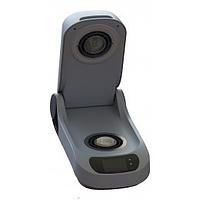
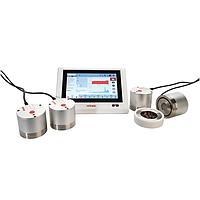
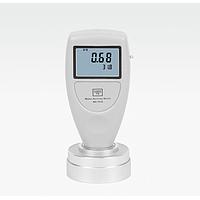
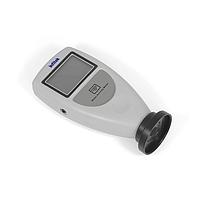
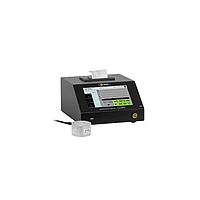
For example, the PCE WAM 60 is positioned as a laboratory water activity meter with touch display, internal memory, and multiple measuring channels, making it suitable for users who need organized records and repeatable measurement handling. The AS ONE SP-W Water Activity Meter offers a compact format that can be practical for straightforward spot measurements.
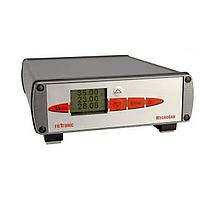
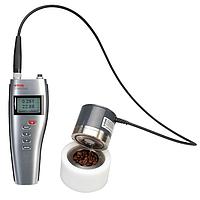
Where a more advanced probe-based setup is required, Rotronic solutions in this category provide an ecosystem that includes main units, portable analyzers, and dedicated probes for water activity applications.
Examples of water activity measurement solutions
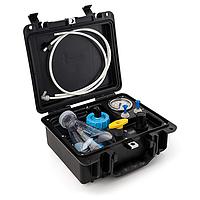
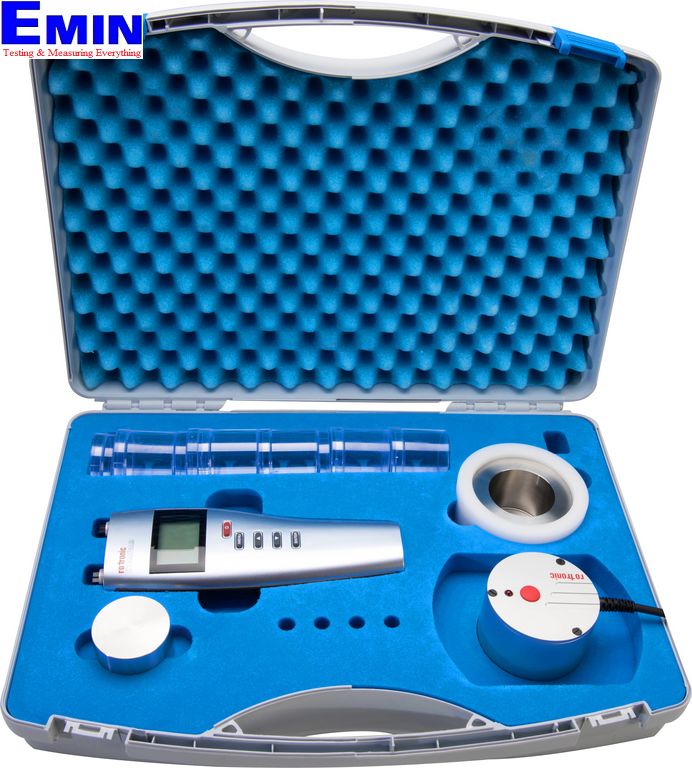
Different workflows call for different device architectures. The Rotronic HYGROLAB-SET-40 is a laboratory-oriented device for water activity measurements, designed for users who need structured bench testing with dedicated sample holders and probe-based measurement. This type of setup is often suitable when repeatability, documentation, and operator consistency are important.
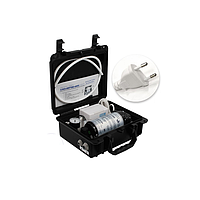
For mobile use, the Rotronic HYGROPALM - HP23-AW-A PORTABLE WATER ACTIVITY ANALYZER supports on-site measurement where portability matters. In practical terms, handheld instruments are often chosen for incoming goods inspection, process checks, or verification in storage and production rooms rather than only in a central lab.
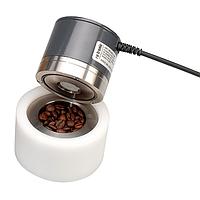
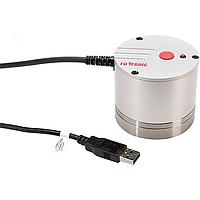
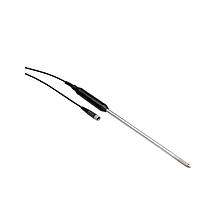
The category also includes accessories and probe options that support different sample geometries or measurement points. Examples include the Rotronic HC2-HP28 AW Probe and HC2-HP50 AW Probe, which fit into a broader measurement system rather than functioning as standalone instruments.
How to choose the right water activity meter
The first step is to define the measurement environment. A central laboratory usually benefits from a benchtop device with stronger data handling, a larger display, and support for routine batch work. A field or production team may instead prioritize compact size, faster setup, and easier transport between inspection points.
Next, consider the sample type and testing volume. Powders, granular materials, semi-solids, and packaged product samples may require different handling approaches. If you run repeated tests across multiple product lines, sample cup availability, calibration workflow, storage capacity, and probe compatibility can become more important than headline specifications alone.
It is also useful to check whether you need a probe-based system, a self-contained meter, or a portable analyzer. Some buyers prefer a simple all-in-one instrument for routine QC, while others need a more expandable platform that supports multiple probes, software integration, or a combination of laboratory and on-site work.
Important features to review before purchase
Accuracy and resolution are important, but they should be evaluated together with the intended application. In many industrial settings, stable and repeatable readings are just as valuable as very fine resolution. Temperature measurement capability is also relevant because aw readings are closely linked to sample temperature and equilibrium conditions.
Other practical factors include display usability, sample handling, memory, communication ports, calibration options, and overall ease of cleaning or maintenance. Instruments such as the PCE WAM 60 and Rotronic HYGROLAB-SET-40 illustrate how some systems are designed for broader data management and multi-step workflows, while compact meters like the AS ONE SP-W focus on straightforward operation.
For buyers comparing adjacent testing methods, other tools in the wider liquid and environmental testing workflow may also be relevant, such as test paper for quick screening or a domestic ion measurement electrode for specific water chemistry analysis. These do not replace aw measurement, but they may complement broader quality control tasks.
Applications across food, pharma, agriculture, and materials
In food processing, water activity meters are frequently used to assess shelf-life risk, drying consistency, and product stability after formulation or packaging changes. They are also useful when comparing batches or validating storage conditions for moisture-sensitive goods.
In pharmaceutical, nutraceutical, feed, and agricultural settings, aw measurement can help evaluate how materials behave during storage and transport. Production teams may use portable devices for spot checks, while laboratory staff rely on benchtop systems for more controlled testing and traceable documentation.
Some organizations pair water activity testing with broader environmental or crop-related observations. In that context, equipment from Spectrum Technologies, such as ET gauges, addresses evapotranspiration monitoring rather than aw measurement directly, but it reflects how water-related testing needs can extend from laboratory analysis to field and environmental management.
Understanding system components and related accessories
Not every item associated with this category is a main analyzer. Some products serve as supporting elements within a complete measurement workflow. Dedicated probes, sample cups, holders, and software-connected devices all play a role in obtaining stable and meaningful aw results.
This is especially relevant in modular product families. With Rotronic systems, for instance, the main unit and the probe should be considered together when defining the final measurement setup. That approach can be useful for businesses that expect to expand their testing capability over time instead of replacing the entire platform whenever requirements change.
If your quality workflow extends into broader sample preparation or liquid-testing routines, adjacent categories such as other reagents may also be relevant depending on the overall laboratory process.
Choosing with confidence
A suitable water activity meter should match the way your team actually works, not just the specification sheet. Sample type, test frequency, mobility requirements, recordkeeping needs, and future expandability all influence whether a compact meter, handheld analyzer, or bench system is the better fit.
This category is intended to help buyers compare practical options for aw measurement, from standalone instruments to probe-based laboratory systems. If you are selecting equipment for routine QC, R&D, or production support, focusing on application fit and workflow compatibility will usually lead to a better long-term choice than comparing numbers alone.
Get exclusive volume discounts, bulk pricing updates, and new product alerts delivered directly to your inbox.
By subscribing, you agree to our Terms of Service and Privacy Policy.
Direct access to our certified experts