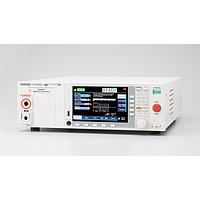
Electrical safety Calibrator Calibration Service
Reliable electrical safety testing depends not only on the tester itself, but also on the accuracy of the instrument used to verify it. In production lines, service centers, and quality laboratories, calibration helps confirm that electrical safety calibrators continue to deliver dependable reference values for routine verification of hipot and related safety test equipment.
Electrical safety Calibrator Calibration Service is intended for organizations that need traceable performance checks for instruments used in electrical safety test environments. This is especially relevant where test integrity, repeatability, and documentation matter across incoming inspection, maintenance, compliance workflows, or periodic quality control.
Why calibration matters for electrical safety calibrators
Electrical safety calibrators are used to support confidence in test systems that evaluate insulation strength, withstand voltage, and other safety-related parameters. If the calibrator itself drifts over time, the entire verification chain can be affected, leading to uncertainty in test results and unnecessary risk in manufacturing or inspection processes.
Regular calibration helps users maintain measurement confidence and supports consistent decision-making when checking safety testers. It can also assist teams that operate under documented quality systems, where calibration intervals, records, and service history form part of normal equipment management.
Typical use cases in industrial and laboratory environments
This service category is relevant anywhere electrical safety testers must be checked against a known reference. Common environments include electronics assembly, appliance manufacturing, medical device production, electrical repair workshops, and testing laboratories that rely on stable, repeatable verification routines.
In these settings, electrical safety calibrators are often part of a broader calibration ecosystem. Companies managing multiple instrument types may also review related services such as electrical calibrator calibration service when maintaining a wider fleet of reference equipment.
Supported examples from leading manufacturers
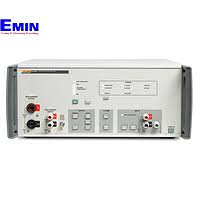
The category includes service coverage for representative instruments from recognized brands in test and measurement. Examples shown in this range include the KEYSIGHT Hipot Tester Calibrator Calibration Service and the KIKUSUI Hipot Tester Calibrator Calibration Service, both relevant for users working with electrical safety verification workflows.
Where brand preference matters, users may also explore the broader KEYSIGHT product range or the KIKUSUI portfolio to align calibration planning with their installed equipment base. These references are useful when standardizing service activities across specific manufacturers or instrument families.
What is typically evaluated during calibration
For electrical safety calibrator service, the main objective is to confirm that the instrument performs within its intended reference capability. Depending on the device type and its role in the workflow, calibration may focus on the output or verification behavior relevant to electrical safety test applications, along with overall operational condition.
In practice, users are usually concerned with traceability, repeatability, and whether the instrument remains suitable for verifying hipot or related safety testers. Clear calibration records also help maintenance and quality teams decide whether equipment can remain in service, should be adjusted, or needs further inspection.
How to choose the right service for your equipment
When selecting a calibration service, it is helpful to start with the actual role of the instrument in your process. Some devices are dedicated to electrical safety verification, while others belong to adjacent categories of general-purpose or process-oriented calibration. Matching the service scope to the instrument function helps avoid gaps in documentation and reduces confusion in asset management.
If your calibration program spans multiple disciplines, it may also be useful to review related categories such as process signal calibrator calibration service or pressure comparator calibration service. This approach supports more organized scheduling for facilities that maintain electrical, process, and mechanical reference instruments together.
Benefits of a structured calibration schedule
A planned calibration interval can help reduce unexpected downtime and improve consistency between departments or test stations. Instead of reacting only when a problem appears, organizations can build a preventive service routine around instrument criticality, usage frequency, and internal quality requirements.
This is particularly important for reference devices used to verify production test systems. A consistent schedule supports audit readiness, simplifies equipment history tracking, and helps maintain a stable quality baseline across repeat inspections or acceptance testing activities.
Documentation and long-term equipment management
For many B2B users, calibration is not just a technical task but part of a larger equipment control process. Service documentation can support internal audits, customer requirements, and maintenance records, especially where calibrated reference instruments are used to support acceptance or compliance-related testing.
Over time, good recordkeeping also makes it easier to identify drift patterns, compare service intervals, and decide whether continued maintenance is practical for a given instrument. This is particularly valuable for organizations operating several electrical safety verification assets across multiple sites or production cells.
Finding the right calibration path for electrical safety verification
Choosing a service in this category makes sense when the instrument’s primary role is to support the accuracy of electrical safety test verification. For users working with hipot tester calibrators and similar reference equipment, the goal is straightforward: maintain dependable performance, keep documentation in order, and support a more consistent testing process.
Whether your workflow centers on KEYSIGHT, KIKUSUI, or a mixed installed base, a well-defined calibration program helps protect the integrity of your safety testing chain. If you are reviewing service options for reference instruments used in electrical safety applications, this category provides a focused starting point for that requirement.
Get exclusive volume discounts, bulk pricing updates, and new product alerts delivered directly to your inbox.
By subscribing, you agree to our Terms of Service and Privacy Policy.
Direct access to our certified experts