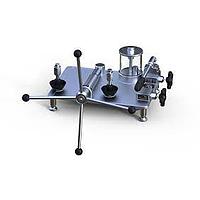
Pressure Calibration Pump Calibration Service
Reliable pressure generation is the foundation of many calibration workflows. When a hand pump or comparison pump begins to drift, leak, or lose stability, the problem does not only affect the pump itself; it can also compromise pressure transmitter checks, gauge verification, and routine maintenance across the plant. A dedicated Pressure Calibration Pump Calibration Service helps maintain confidence in the pressure source used throughout these tasks.
This category is intended for users who need calibration support for pressure calibration pumps used in laboratories, maintenance departments, and field service environments. Whether the requirement is periodic verification, traceable calibration, or support for a mixed-brand installed base, the focus is on keeping pressure generation equipment accurate, repeatable, and fit for ongoing use.
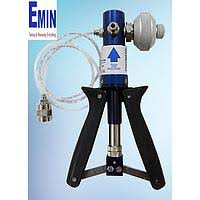
Why pressure calibration pump calibration matters
A pressure calibration pump is often treated as a simple source device, but its performance has a direct influence on the quality of the entire calibration chain. If the pump cannot build pressure smoothly, hold a test point steadily, or indicate stable behavior under load, technicians may spend more time troubleshooting setups and less time completing valid measurements.
Regular calibration service helps confirm that the pump performs as expected within its intended operating range. It also supports better repeatability during instrument checks, especially when the pump is used alongside reference gauges, pressure modules, or multifunction calibrators. In practice, this means fewer questionable results and a more dependable maintenance process.
Typical situations where service is needed
Calibration is commonly scheduled as part of preventive maintenance, but it is also relevant after intensive field use, transport, repair, or any event that may have affected sealing and pressure generation behavior. Users often request service when they notice unstable pressure output, slower buildup, difficulty reaching test points, or uncertainty about overall pump condition.
For organizations working under documented quality systems, periodic service is especially important because the pump is part of the test setup used to validate other instruments. If your workflow also includes electrical or signal simulation, it can be useful to coordinate service intervals with related categories such as electrical calibrator calibration service for a more consistent maintenance plan.
What this service category generally covers
This category focuses on calibration support for pressure calibration pumps from widely used manufacturers, including FLUKE, Additel, PCE, Nagman, PRESYS, and R&D Instruments. The exact scope can vary by device type and service procedure, but the goal remains the same: verify the pump's pressure generation performance and help ensure it remains suitable for calibration tasks.
Examples in this category include service entries for FLUKE Pressure Calibration Pump Calibration Service, Additel Pressure Calibration Pump Calibration Service, Nagman Pressure Calibration Pump Calibration Service, PRESYS Pressure Calibration Pump Calibration Service, and R&D Instrument Service Pressure Calibration Pump Calibration Service. These listings help users identify brand-relevant service options without turning the page into a simple product list.
Brand and equipment ecosystem context
Many calibration environments use pumps together with digital pressure indicators, process calibrators, or compact field instruments. In that broader ecosystem, brands such as Additel and PCE are often selected for different maintenance and testing needs depending on portability, workflow, and application type.
As one example from the wider calibration landscape, the PCE PWM 10 Pump Calibrator (0 ~15 V) shows how calibration activities may extend beyond pressure alone into electrical or PWM-related verification tasks. Although that product serves a different function from a pressure hand pump, it highlights an important point: calibration programs usually involve multiple device types, and service planning works best when each source and reference instrument is maintained according to its actual role in the measurement chain.
How to choose the right service option
When selecting a service, start with the actual pump model and how it is used. A lab-based unit used for routine comparison work may need a different service rhythm than a portable field pump exposed to transport, temperature changes, and frequent connection cycles. Matching the service request to the application helps avoid unnecessary delays and improves traceability.
It is also worth considering the surrounding equipment. If the pump is used with pressure comparators, reference devices, or process calibration systems, aligning maintenance intervals can simplify documentation and downtime planning. In some setups, related support such as pressure comparator calibration service may be relevant for the same calibration bench or workflow.
Applications across industry
Pressure calibration pumps are used in manufacturing, utilities, process plants, building services, laboratories, and instrumentation workshops. They support the checking of pressure gauges, transmitters, switches, indicators, and other pressure-related devices used in both routine maintenance and quality control.
Because these pumps are often shared across teams, service history becomes an important part of operational discipline. A calibrated pump can support more consistent work from technician to technician and reduce uncertainty when troubleshooting process instruments in the field. For organizations handling a broader mix of source equipment, related support such as process signal calibrator calibration service may also fit naturally into the same maintenance cycle.
What to prepare before sending equipment for service
Before arranging calibration, it helps to confirm the model identification, current operating condition, and any observed issues during use. Notes about pressure instability, leakage, difficulty in pumping, or problems holding a setpoint can help service teams understand the context and assess the equipment more efficiently.
If the pump is part of a documented calibration procedure, keeping records of last service date, usage frequency, and associated reference instruments is also useful. This information supports better scheduling and makes it easier to maintain a consistent record for audits, quality systems, or internal maintenance reviews.
Supporting long-term measurement confidence
Calibration service for pressure pumps is not only about checking one tool in isolation. It is part of maintaining a dependable measurement process, especially where pressure testing supports product quality, plant safety, or process reliability. A stable and verified pump helps the rest of the calibration setup perform with fewer uncertainties.
If you are reviewing service options for an existing fleet or planning periodic maintenance for a specific brand, this category brings together relevant pressure pump service choices in one place. The right service approach can help extend usable equipment life, improve day-to-day consistency, and support more trustworthy calibration results across your operation.
Get exclusive volume discounts, bulk pricing updates, and new product alerts delivered directly to your inbox.
By subscribing, you agree to our Terms of Service and Privacy Policy.
Direct access to our certified experts