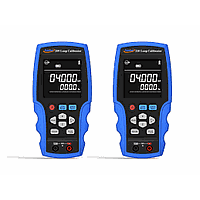
Process signal calibrator Calibration Service
Reliable loop and signal simulation are essential when commissioning, troubleshooting, and maintaining industrial control systems. When a process signal calibrator drifts out of tolerance, even a small error can affect transmitter checks, controller verification, and maintenance records. A dedicated process signal calibrator calibration service helps keep these instruments dependable for field and laboratory work.
This category focuses on calibration support for instruments used to source, simulate, and measure common process signals in automation and instrumentation environments. It is relevant for maintenance teams, calibration laboratories, utilities, manufacturers, and system integrators that rely on stable verification of current, voltage, and related process signals during routine operations.
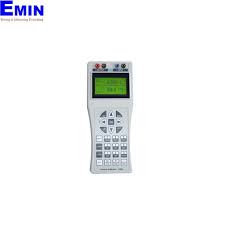
Why calibration matters for process signal calibrators
Process signal calibrators are often used as reference tools in the field. They support tasks such as loop testing, signal injection, transmitter setup, and verification of control inputs and outputs. Because these instruments are used to validate other devices, their own accuracy needs to be checked on a scheduled basis.
A proper calibration service helps confirm that the instrument performs within its intended measurement and sourcing capabilities. It also supports traceability, improves confidence during maintenance work, and reduces the risk of making decisions based on inaccurate test values. In regulated or quality-driven environments, calibration records are also an important part of audit readiness and asset management.
What this service category typically covers
This page is intended for calibration services related to process signal calibrators from widely used brands in industrial measurement and control. Examples in this category include service support for instruments from FLUKE, HIOKI, YOKOGAWA, Additel, EXTECH, Chauvin Arnoux, HT, PCE, IET LABS, and KDS.
Representative services may include calibration for products such as the Fluke Process Signal Calibrator Calibration Service, HIOKI Process Signal Calibrator Calibration Service, Yokogawa Process Signal Calibrator Calibration Service, and Additel Process Signal Calibrator Calibration Service. These examples illustrate the scope of the category rather than defining a single device type, since process signal calibrators can vary in interface, signal functions, and intended application.
Common applications in industrial environments
In practice, process signal calibrators are used across factories, utilities, water treatment facilities, energy sites, pharmaceutical production, and building automation systems. Technicians rely on them when checking instrument loops, validating analog signal paths, and confirming the response of field devices and control equipment.
Because these tools are frequently transported, used in harsh environments, and exposed to repeated connection cycles, periodic calibration is especially important. A calibrated unit helps maintenance teams work more efficiently when performing commissioning, shutdown activities, preventive maintenance, or troubleshooting in live process environments.
How to choose the right calibration support
When selecting a service, it is useful to consider the instrument’s role in your workflow. A calibrator used as a daily field reference may require tighter control over service intervals than a backup unit used occasionally. You should also review the ranges and functions that matter most in your application so the calibration scope aligns with how the instrument is actually used.
Brand familiarity can also matter for documentation and service planning. Some users specifically look for support related to YOKOGAWA or HIOKI instruments because those devices are already standardized across their maintenance teams. Others may work with mixed fleets that include FLUKE, Additel, EXTECH, or PCE, making it helpful to manage calibration under a consistent service process.
Related calibration needs across the same workflow
Process signal calibrators are rarely the only reference instruments in a plant or service lab. Many maintenance programs also include handheld electrical references, temperature calibration tools, and pressure-related test equipment. If your team handles broader verification work, it may be useful to review our electrical calibrator calibration service for adjacent instrument types.
Temperature verification is another common requirement in process industries, especially where sensors, transmitters, and control loops are checked together. In those cases, our dry block and bath calibrator calibration service can support a more complete calibration program across multiple instrument categories.
Typical brands and service examples in this category
This category includes calibration service examples tied to recognized manufacturers used in industrial and test environments. Common references here include IET LABS Process Signal Calibrator Calibration Service, HIOKI Process Signal Calibrator Calibration Service, Yokogawa Process Signal Calibrator Calibration Service, Extech Process Signal Calibrator Calibration Service, HT Instruments Process Signal Calibrator Calibration Service, PCE Process Signal Calibrator Calibration Service, KDS Process Signal Calibrator Calibration Service, and Fluke Process Signal Calibrator Calibration Service.
These listings help buyers quickly identify service availability for the brands already present in their installed base. They are also useful for procurement teams that need clearer alignment between an internal asset list and the service category shown online. Where needed, the manufacturer page can provide additional context about the broader product ecosystem associated with that brand.
When to schedule recalibration
Calibration intervals depend on usage intensity, operating conditions, internal quality procedures, and the criticality of the measurements involved. Instruments used frequently in field service, exposed to transport stress, or relied on for acceptance testing often require closer interval management than lightly used units.
It is also sensible to arrange recalibration after repair, after suspected overload or mishandling, or whenever measurement results appear inconsistent. Keeping service intervals consistent helps maintain confidence in test results and supports better planning for instrument availability across maintenance and production schedules.
Support a more reliable instrumentation program
A well-managed process signal calibrator service plan helps reduce uncertainty in daily maintenance work and strengthens confidence in the devices used to verify other instruments. Whether your team works with FLUKE, HIOKI, YOKOGAWA, Additel, EXTECH, or other supported brands in this category, the goal is the same: maintain trustworthy reference performance for real industrial tasks.
If you are comparing options for a single unit or building a wider calibration schedule for multiple instrument types, this category provides a practical starting point. Reviewing service coverage by brand, instrument role, and related calibration needs can make it easier to choose the most appropriate path for your equipment base.
Get exclusive volume discounts, bulk pricing updates, and new product alerts delivered directly to your inbox.
By subscribing, you agree to our Terms of Service and Privacy Policy.
Direct access to our certified experts