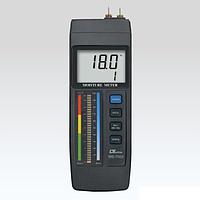
Wood and Construction Moisture Meter Calibration Service
Accurate moisture readings are critical when wood, concrete, plaster, masonry, and other building materials must be assessed with confidence. In inspection, construction, restoration, and quality control work, even a small deviation can affect drying decisions, material acceptance, or the evaluation of hidden moisture problems. That is why a reliable Wood and Construction Moisture Meter Calibration Service plays an important role in maintaining dependable measurement results over time.
This service category is intended for users who depend on moisture meters in day-to-day field or laboratory work and need those instruments checked against appropriate references. Whether the device is used for timber inspection, wall moisture evaluation, or general building diagnostics, calibration helps confirm that the instrument continues to perform within expected measurement behavior and remains suitable for practical use.
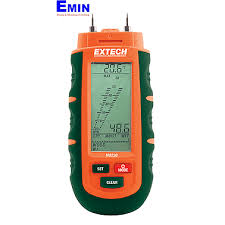
Why calibration matters for wood and building material moisture meters
Moisture meters are often used to support decisions that have direct technical and financial impact. In wood processing, inaccurate readings may lead to incorrect grading, storage, or drying actions. In construction and maintenance, measurement errors can affect evaluations of damp walls, floors, or structural materials, especially when comparing readings over time or across different areas.
Calibration helps verify that the meter is responding correctly and consistently. This is particularly important for handheld instruments that are frequently transported, exposed to changing environments, or used across multiple material types. Regular checks can reduce uncertainty, improve repeatability, and support more credible inspection records.
Typical applications covered by this service category
Wood and construction moisture meters are widely used in building inspection, renovation, interior finishing, flooring work, furniture production, warehouse control, and damage assessment after leaks or high humidity events. Some instruments are designed mainly for timber, while others are used for a broader range of materials such as concrete, mortar, gypsum, paper, and board products.
Because these instruments are applied in different working conditions, calibration becomes part of a wider measurement control process. Companies that also manage environmental moisture conditions may find it useful to review related services such as dehumidifier calibration or humidifier calibration when moisture monitoring and conditioning equipment are used together.
What to expect from a moisture meter calibration service
A calibration service for this type of instrument generally focuses on checking measurement response, instrument condition, and basic operational stability. The exact procedure can vary depending on the measurement principle of the meter, such as pin-type resistance measurement or non-destructive surface scanning. The goal is not simply to power on the device, but to assess whether its readings remain trustworthy for the intended application.
For businesses, this service is especially valuable when instruments are part of a documented inspection workflow. A calibrated device can support better internal quality control, more consistent technician performance, and clearer maintenance planning. It is also useful when meters are shared across teams and need periodic verification after frequent use.
Brand support and service examples
This category includes calibration support for instruments from widely used manufacturers in moisture measurement and inspection. Examples include FLIR, TESTO, Chauvin Arnoux, Amprobe, DELMHORST, ELCOMETER, EXTECH, PCE, PROCEQ, and Sauermann. Mentioning these brands is helpful because many users search for calibration by manufacturer rather than by service type alone.
Representative service items in this category include the FLIR Wood and Construction Moisture Meter Calibration Service, TESTO Wood and Construction Moisture Meter Calibration Service, ELCOMETER Wood and Construction Moisture Meter Calibration Service, and PROCEQ Wood and Construction Moisture Meter Calibration Service. There are also service listings for EXTECH, Chauvin Arnoux, DELMHORST, PCE, Amprobe, and KIMO wood and construction moisture meters. These examples illustrate the scope of supported equipment without turning the page into a simple product list.
How to choose the right calibration path
When selecting a suitable service, it helps to start with the actual instrument in use and the material group being measured most often. A wood moisture meter used in timber inspection may require a different evaluation context from a construction moisture meter used on walls, screeds, or masonry. Understanding how the instrument is applied in practice makes it easier to select the most relevant service route.
It is also worth considering calibration intervals based on usage frequency, working environment, and the importance of measurement results in your quality process. Instruments used intensively on-site, moved between projects, or relied upon for acceptance decisions usually benefit from more regular checks than backup devices. If your workflow also includes other specialized moisture applications, you may want to compare this category with soil moisture meter calibration or agricultural moisture meter calibration for a better fit.
Common reasons businesses schedule recalibration
Recalibration is often requested after prolonged field use, after the instrument has been dropped or exposed to harsh conditions, or when users notice readings that no longer align with expected material behavior. In some cases, the trigger is procedural rather than technical, such as routine quality audits, annual maintenance planning, or the need to keep instrument records up to date.
Measurement consistency is especially important when multiple technicians use the same device family across different projects. Recalibration can help reduce disputes over varying readings and improve confidence when comparing historical data. For organizations handling inspection, repair, restoration, or construction verification, this can be a practical step toward more stable reporting.
Suitable for technical teams, contractors, and inspection workflows
This service category is relevant for contractors, maintenance teams, building inspection companies, restoration specialists, woodworking operations, and quality control departments that depend on repeatable moisture measurements. It supports a more disciplined approach to instrument management, particularly where handheld test equipment forms part of a larger maintenance or compliance process.
Wood and Construction Moisture Meter Calibration Service is not only about confirming an individual device; it helps strengthen the reliability of the inspection workflow around that device. When moisture data is used to guide material handling, installation timing, or damage evaluation, calibrated instruments provide a stronger foundation for technical decisions.
Final considerations before sending your instrument for calibration
Before arranging service, it is useful to identify the instrument brand, model, and typical application so the calibration scope can match your actual usage. Clear information about whether the meter is used primarily on wood, concrete, walls, or mixed building materials can help streamline the service process and improve relevance.
For organizations that depend on reliable moisture assessment, routine calibration is a practical investment in data quality rather than an administrative formality. A well-maintained and properly checked meter supports better measurement confidence, more consistent field work, and more dependable evaluation of wood and construction materials.
Get exclusive volume discounts, bulk pricing updates, and new product alerts delivered directly to your inbox.
By subscribing, you agree to our Terms of Service and Privacy Policy.
Direct access to our certified experts