
Distance Meter Calibration Service
Accurate distance readings matter in construction layout, facility maintenance, installation work, surveying support, and many inspection tasks. When a laser distance meter starts drifting from its expected measurement performance, even small deviations can affect fitting, alignment, material estimation, and documentation quality. That is why Distance Meter Calibration Service is an important part of maintaining confidence in measurement results over time.
This category is intended for users who need calibration support for handheld and portable distance meters used in professional environments. Whether the device is used on job sites, in workshops, or in technical service applications, regular calibration helps verify measurement reliability, supports quality routines, and reduces uncertainty when readings are used for practical decisions.
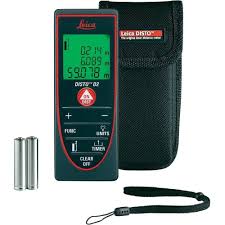
Why calibration is important for distance meters
A distance meter is often relied on for fast measurement in places where tape-based methods are less practical. Over time, however, real-world use can influence performance through handling, transport, environmental exposure, or simple wear. Calibration helps confirm that the instrument still measures within an acceptable reference framework and highlights when adjustment or further evaluation may be needed.
For B2B users, calibration is not only about instrument care. It also supports measurement traceability, internal quality control, and more consistent results across teams and projects. This becomes especially relevant when the same device is used repeatedly for installation, inspection, or reporting work where repeatability matters as much as speed.
What this service category typically covers
This category focuses on calibration services for distance meters from widely used manufacturers. Examples available here include service options for BOSCH, LEICA, FLUKE, MAKITA, NIKON, STANLEY, EXTECH, PCE, Niigata Seiki, and Proskit instruments. The purpose is to support users who need an appropriate service path based on the brand and type of device already in operation.
Representative listings in this category include BOSCH Distance Meter Calibration Service, LEICA Distance Meter Calibration Service, FLUKE Distance Meter Calibration Service, MAKITA Distance Meter Calibration Service, and EXTECH Distance Meter Calibration Service. There are also options for NIKON, STANLEY, PCE, Niigata Seiki, and Proskit distance meters, making the category useful for mixed-brand fleets as well as single-brand maintenance planning.
When to consider recalibration
Many users send a distance meter for service on a periodic schedule, but there are also practical signs that recalibration should be considered sooner. These include unexpected variation between repeated measurements, results that no longer match reference dimensions, or concerns after the device has been dropped, transported heavily, or used in demanding field conditions.
Calibration can also be a sensible step when instruments are reassigned between departments, prepared for audit-related workflows, or returned to service after long storage. In these cases, the goal is not to assume the tool is faulty, but to verify its current performance so it can be used with greater confidence.
Choosing the right calibration service for your instrument
The most straightforward way to select a service is to match it to the distance meter brand you are using. If your equipment base includes models from LEICA, BOSCH, FLUKE, or MAKITA, choosing the corresponding service listing helps align the request with the instrument family being maintained. This is particularly helpful in procurement environments where service records are organized by manufacturer.
Users managing broader measurement programs may also want to review related service categories. For example, if your operation maintains dimensional tools alongside laser meters, mechanical measuring instruments calibration may be relevant. If electrical test tools are part of the same maintenance plan, electrical and electronic meter calibration services can help complete the broader calibration workflow.
Common use cases across industries
Distance meter calibration is relevant wherever quick, portable length measurement supports work execution or verification. In construction and interior fit-out, it helps support layout checks, room measurement, and installation planning. In maintenance and facility operations, it can be useful for inspection routines, equipment spacing checks, and documentation of physical assets or work areas.
Industrial and technical service teams may also use distance meters during setup, retrofit, and field inspection tasks where portability and speed are important. In these environments, calibration intervals are often tied to usage frequency, quality requirements, and the consequences of inaccurate readings rather than to a single universal schedule.
How calibration fits into a broader quality system
For many organizations, a distance meter is only one part of a larger measurement ecosystem. Keeping its calibration status up to date helps standardize tool control, supports asset management, and can simplify documentation during internal reviews. This is especially useful when multiple instruments are used together for installation checks, technical inspection, or acceptance work.
Companies that maintain a wider range of instruments may also benefit from coordinating service activities across categories. For example, teams involved in electronics troubleshooting may additionally require oscilloscope and logic analyzer calibration, while imaging-based inspection groups may need video borescope and camera calibration services. A structured service approach can reduce downtime and improve oversight of instrument condition.
Representative brands and service options in this category
This category includes calibration service entries for several established measurement and tool brands. Frequently referenced options include BOSCH Distance Meter Calibration Service, LEICA Distance Meter Calibration Service, FLUKE Distance Meter Calibration Service, MAKITA Distance Meter Calibration Service, and NIKON Distance Meter Calibration Service Distance. Additional listings such as STANLEY Distance Meter Calibration Service, PCE Distance Meter Calibration Service, EXTECH Distance Meter Calibration Service, Niigata Seiki Distance Meter Calibration Service, and Proskit Distance Meter Calibration Service expand coverage for varied installed bases.
Rather than treating every device the same, it is usually more practical to select service based on the instrument maker already deployed in the field. This helps keep procurement clearer, supports internal recordkeeping, and makes it easier to align calibration activity with the equipment inventory your team actually uses.
Final considerations before placing a service request
Before choosing a calibration service, it helps to confirm the brand, current instrument condition, and how the distance meter is used in your workflow. Teams that depend on repeatable measurements for layout, inspection, or reporting typically benefit from a more proactive calibration routine than users with occasional light-duty applications. The right service choice is usually the one that fits both the instrument and the level of measurement assurance your process requires.
With the available options in this category, buyers can identify a suitable calibration path for common professional distance meter brands without overcomplicating the process. If your organization manages multiple instruments across technical departments, using the right calibration services at the right intervals can support more reliable measurement practices and better long-term equipment control.
Get exclusive volume discounts, bulk pricing updates, and new product alerts delivered directly to your inbox.
By subscribing, you agree to our Terms of Service and Privacy Policy.
Direct access to our certified experts
