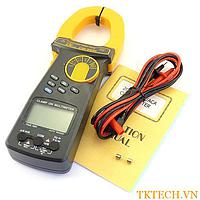
Clamp Meter Calibration Service
Accurate current measurement is critical in electrical maintenance, panel troubleshooting, energy checks, and field diagnostics. When a clamp meter starts to drift, the risk is not only incorrect readings but also poor maintenance decisions, unnecessary downtime, and reduced confidence in inspection records. A professional Clamp Meter Calibration Service helps verify that the instrument continues to perform within its intended measurement tolerance and remains suitable for day-to-day technical work.
This service category is intended for businesses, maintenance teams, laboratories, contractors, and technical departments that rely on clamp meters for routine electrical measurement. It supports users working with a wide range of brands and instrument types, especially where documented calibration is part of internal quality control, preventive maintenance, or audit preparation.
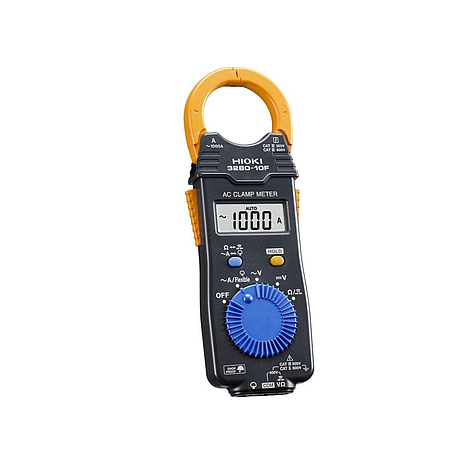
Why clamp meter calibration matters
A clamp meter is often used because it allows current measurement without breaking the circuit, making it practical and efficient in live electrical environments. Over time, however, factors such as handling conditions, transport, regular use, and environmental exposure can affect measurement performance. Calibration helps identify deviations before they create problems in reporting, diagnostics, or equipment verification.
For B2B users, calibration is also part of maintaining a reliable instrument management process. Whether the meter is used in industrial plants, building services, M&E work, utilities, or technical service teams, measurement traceability and repeatable performance are important for both operational accuracy and documentation.
Scope of service for common clamp meter brands
This category covers calibration support for many widely used instruments in the market. Representative services include HIOKI Clamp Meter Calibration Service, YOKOGAWA Clamp Meter Calibration Service, EXTECH Clamp Meter Calibration Service, Chauvin Arnoux Clamp Meter Calibration Service, FLIR Clamp Meter Calibration Service, KEYSIGHT Clamp Meter Calibration Service, TESTO Clamp Meter Calibration Service, Amprobe Clamp Meter Calibration Service, FLUKE Clamp Meter Calibration Service, and BKPRECISION Clamp Meter Calibration Service.
Many technical teams standardize around brands such as FLUKE, HIOKI, YOKOGAWA, or Chauvin Arnoux depending on their application and internal procurement preferences. In practice, calibration requirements are similar in principle: verify core measurement behavior, confirm the instrument remains suitable for service use, and maintain records that support inspection and maintenance workflows.
What calibration helps verify
The exact calibration workflow can vary depending on the meter design and intended use, but the main objective is consistent: to assess the instrument’s performance against known reference conditions. For clamp meters, this typically relates to the integrity of current measurement, overall reading behavior, and confidence in the meter’s output for routine electrical tasks.
For organizations that use clamp meters in preventive maintenance or fault-finding, calibration helps reduce uncertainty when comparing readings across sites, teams, or service intervals. This is especially useful when technicians use multiple handheld instruments together, such as clamp meters and multimeter calibration services as part of a broader electrical test equipment program.
When to schedule a clamp meter calibration service
Calibration intervals are usually determined by usage frequency, criticality of the application, internal quality procedures, and the operating environment. Instruments used heavily in field service, exposed to demanding site conditions, or relied on for documented inspection work often require closer calibration control than meters used only occasionally.
You should also consider calibration after impact, suspected measurement drift, unusual reading behavior, long storage periods, or before important audits and acceptance checks. In many organizations, clamp meter calibration is integrated into a wider program that may also include services such as phase indicator calibration for teams handling broader electrical verification tasks.
Choosing the right service for your instrument fleet
Not every business uses clamp meters in the same way. Some need support for a small number of handheld instruments used by maintenance electricians, while others manage a larger fleet across production sites, contractors, facilities teams, or service departments. The right service approach depends on instrument type, brand mix, calibration frequency, and the role each meter plays in your workflow.
If your equipment base includes brands such as HIOKI, FLIR, KEYSIGHT, TESTO, EXTECH, or Amprobe, it is useful to organize calibration planning by asset group and application priority. This makes it easier to keep critical instruments in rotation, reduce administrative gaps, and maintain a clear schedule for periodic verification.
How clamp meter calibration supports compliance and maintenance quality
For many industrial and commercial users, calibration is not just a technical formality. It supports quality systems, maintenance consistency, and better decision-making in the field. A calibrated clamp meter gives technicians greater confidence when checking current draw, investigating load issues, confirming operating conditions, or comparing live measurements against expected values.
It can also strengthen asset documentation for internal reviews, customer requirements, and service records. Where teams work with multiple electrical test instruments, aligning calibration activities across related categories can improve efficiency. In some environments, this may include adjacent services such as multifunction electrical installations meter calibration to support a more complete electrical compliance workflow.
Typical users and application environments
Clamp meter calibration is relevant across a wide range of sectors, including manufacturing, building operations, energy management, electrical contracting, utilities, facility maintenance, and technical service organizations. Any team that depends on portable electrical measurement tools can benefit from routine calibration as part of equipment control and performance assurance.
It is especially valuable where instruments are shared between technicians, used across multiple sites, or included in documented maintenance procedures. In these cases, calibration management helps create more consistent measurement practices and reduces the chance of hidden error accumulating over time.
Plan calibration with long-term instrument reliability in mind
A clamp meter is a practical tool, but its value depends on trustworthy readings. Scheduling calibration at appropriate intervals helps keep electrical measurements reliable, supports internal quality processes, and improves confidence in field diagnostics. For businesses using instruments from FLUKE, HIOKI, YOKOGAWA, FLIR, Chauvin Arnoux, KEYSIGHT, TESTO, EXTECH, Amprobe, or BKPRECISION, this category provides a focused starting point for managing that need.
When clamp meters are part of a larger electrical test equipment fleet, it also makes sense to review related calibration categories and align service intervals where possible. A structured approach to calibration can make instrument control easier, reduce disruption, and support better technical decisions over the full service life of the equipment.
Get exclusive volume discounts, bulk pricing updates, and new product alerts delivered directly to your inbox.
By subscribing, you agree to our Terms of Service and Privacy Policy.
Direct access to our certified experts