
DC Electronic Load Calibration Service
Stable power test results depend on more than the load itself. In laboratories, repair centers, and production environments, even a high-quality electronic load can drift over time, which affects current accuracy, voltage reading, resistance mode behavior, and overall confidence in test data. That is why DC Electronic Load Calibration Service plays an important role in maintaining traceable and repeatable measurements.
This category is intended for users who need calibration support for DC electronic loads used in power supply testing, battery evaluation, charger verification, and general DC source characterization. Whether the equipment is used occasionally for verification or daily in a demanding bench setup, regular calibration helps reduce uncertainty and supports better decision-making in both engineering and quality workflows.
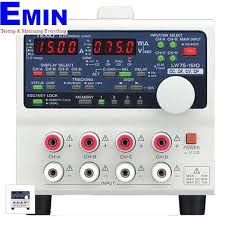
Why calibration matters for DC electronic loads
A DC electronic load is designed to simulate real electrical demand by drawing controlled current or power from a DC source. When calibration is overdue, the load may no longer reflect the intended test condition accurately, which can lead to incorrect conclusions about a power supply, converter, battery pack, or charging circuit.
Calibration helps verify key operating points and confirms that the instrument performs within its expected tolerance. In practical terms, this supports more reliable validation of DC sources and reduces the risk of hidden measurement error across R&D, incoming inspection, service work, and manufacturing test stations.
What is typically checked during service
The exact procedure depends on the instrument design and supported operating modes, but a calibration service for a DC electronic load commonly focuses on the functions that directly affect test quality. This may include verification of current draw behavior, voltage measurement response, power-related operation, and the consistency of control across the load’s usable range.
For many users, the main objective is not just adjustment, but confirmation that the instrument still behaves predictably under known conditions. That is especially relevant when the load is part of a larger test chain with external meters, power analyzers, data acquisition systems, or automated benches.
Suitable for multiple brands and lab environments
This category includes service options for widely used manufacturers in power test and bench instrumentation. Examples include KEYSIGHT, KEITHLEY, Ametek, BKPRECISION, GW INSTEK, KIKUSUI, TEXIO, TTI, PINTEK, and PRODIGIT. The goal is to support users who operate mixed fleets of electronic loads across service labs, test rooms, and industrial maintenance departments.
Representative service listings in this category include KEYSIGHT DC Electronic Load Calibration Service, KEITHLEY DC Electronic Load Calibration Service, Ametek DC Electronic Load Calibration Service, GW INSTEK DC Electronic Load Calibration Service, and BKPRECISION DC Electronic Load Calibration Service. These examples help illustrate the range of supported brands without turning the page into a model list.
When to consider recalibration
A scheduled interval is often the most common reason, especially in organizations that follow internal quality procedures or external audit requirements. However, recalibration should also be considered after heavy usage, transport, repair, abnormal test behavior, or any event that may affect the instrument’s electrical performance.
Users often notice the need for service when test results stop matching historical data, when correlation against a reference setup becomes inconsistent, or when source-and-load verification begins to show unexplained deviation. In those cases, calibration can help determine whether the issue comes from the load, the source under test, or the measurement chain around it.
Choosing the right service option
When selecting a service, it helps to begin with the equipment type, the manufacturer, and the role of the load in your process. A bench instrument used for product development may require tighter confidence in critical operating ranges, while a unit used for routine functional checks may be prioritized differently. Matching the service request to actual usage conditions makes the result more useful.
If your workflow also involves related discharge equipment, you may also want to review battery discharger calibration services. For broader comparison across supported service listings, see the main DC electronic load calibration service category to identify a suitable brand-specific option.
Applications that depend on accurate load behavior
DC electronic loads are commonly used to test regulated power supplies, DC-DC converters, adapters, chargers, battery outputs, and other DC sources. In these applications, the load is expected to create known conditions such as constant current, constant resistance, or constant power, depending on the test method. If those conditions are inaccurate, the source may appear better or worse than it really is.
This is why calibration is relevant beyond the instrument itself. It supports more trustworthy pass/fail evaluation, better engineering comparison between prototypes, and stronger consistency in maintenance and incoming inspection processes. In short, a properly calibrated load contributes to the integrity of the entire test setup.
Brand-specific service examples in this category
To make selection easier, this category highlights service entries such as KEYSIGHT DC Electronic Load Calibration Service, KEITHLEY DC Electronic Load Calibration Service, KIKUSUI DC Electronic Load Calibration Service, PINTEK DC Electronic Load Calibration Service, and PRODIGIT DC Electronic Load Calibration Service. These listings are useful when your priority is to find support aligned with the instrument brand already installed in your lab or workshop.
For organizations standardizing equipment by manufacturer, it may also be helpful to browse available brand pages such as Ametek for related test and measurement context. This can simplify planning when calibration, replacement, and future instrument sourcing need to be considered together.
Supporting reliable test results over time
Calibration is not only about compliance paperwork. It is a practical step that helps maintain measurement confidence, reduce troubleshooting time, and support repeatable electrical testing across teams and sites. For users working with power electronics, battery systems, or DC source verification, keeping electronic loads within known performance limits is a sensible part of good test discipline.
If you are selecting service for an installed unit from KEYSIGHT, KEITHLEY, Ametek, GW INSTEK, BKPRECISION, or other supported brands in this category, a well-matched DC load calibration plan can help keep your bench data dependable. The right service choice should reflect how the instrument is used, how critical the results are, and how tightly your process depends on traceable performance.
Get exclusive volume discounts, bulk pricing updates, and new product alerts delivered directly to your inbox.
By subscribing, you agree to our Terms of Service and Privacy Policy.
Direct access to our certified experts
