Electrostatic Equipment Calibration Service
Stable electrostatic control depends on instruments and devices that perform as expected over time. In production lines, electronics assembly, cleanroom handling, and high-voltage process environments, calibration helps verify that ESD-related equipment remains reliable, traceable, and suitable for critical work. This is especially important when ionizers, charge monitors, or electrostatic power systems are used to protect sensitive components or maintain process consistency.
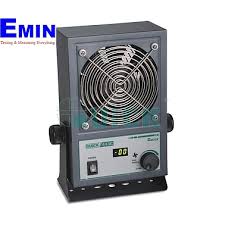
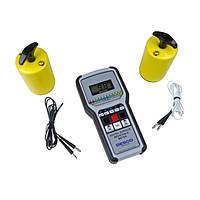
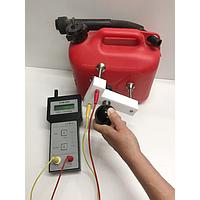
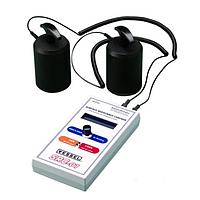
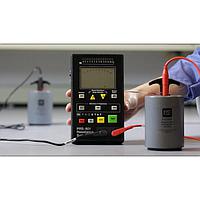
Electrostatic Equipment Calibration Service covers a focused range of devices used to measure, monitor, generate, or neutralize electrostatic charge. Rather than treating all instruments the same way, this category is intended for equipment that supports ESD control programs and electrostatic process applications, where accuracy and repeatability matter for both quality control and compliance workflows.
Where electrostatic equipment calibration matters
Electrostatic phenomena can be difficult to manage because charge behavior changes with materials, grounding conditions, humidity, and process setup. In that environment, even a small drift in test or control equipment may affect troubleshooting results, audit readiness, or confidence in production data. Calibration provides a structured way to confirm performance against known references.
This service category is relevant for organizations handling semiconductors, electronic assemblies, precision plastic parts, packaging materials, optical components, and other products sensitive to static electricity. It is also important in applications where electrostatic force or electrostatic power is part of the actual process, not only a contamination or ESD-risk factor.
Typical equipment included in this category
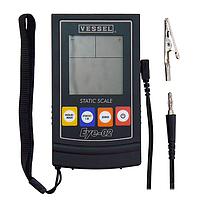
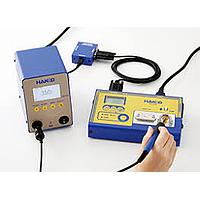
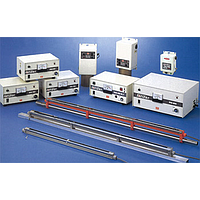
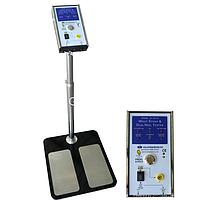
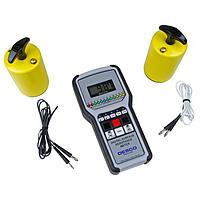
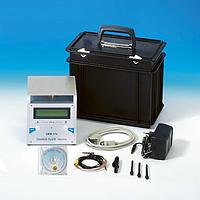
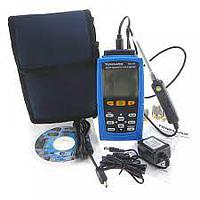
The scope usually includes devices used to measure static conditions, monitor charge behavior, control ionization performance, or support electrostatic process systems. In practice, that means calibration needs may extend across ionizers, discharge or charger monitors, electrostatic chuck supplies, and related ESD control instruments.
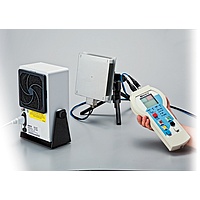
For example, common service requests in this category include the KESD Static Eliminator (Ionizer) Calibration Service, TREK Static Eliminator (Ionizer) Calibration Service, and SIMCO Static Eliminator (Ionizer) Calibration Service. For process-oriented systems, users may also need support for the TREK Electrostatic Chuck Supply Calibration Service or the SIMCO Electrostatic Chuck Supply Calibration Service, depending on the installed equipment base.
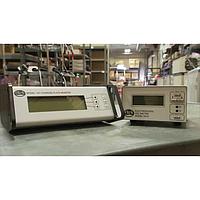
Where charge observation and monitoring are part of validation routines, services such as the Advanced Energy Electrostatic Discharge/charger Monitors Calibration Service and TREK Electrostatic Discharge/Charger Monitors Calibration Service can help maintain confidence in recorded results and equipment status.
Why periodic calibration supports ESD control programs
An effective ESD control program is built on more than grounded workstations and protective materials. It also relies on measurement integrity. If the equipment used to verify ion balance, charge level, or electrostatic output is no longer within tolerance, daily checks and process decisions may become less meaningful.
Periodic calibration helps reduce uncertainty in maintenance decisions, supports internal quality procedures, and provides better traceability during inspections or customer audits. For organizations managing broader instrument fleets, electrostatic calibration is often coordinated alongside services such as electrical and electronic meter calibration to keep documentation and service intervals aligned.
Common manufacturer coverage and service needs
Many facilities operate mixed-brand equipment, especially when ESD control systems evolve over time. This category can therefore be useful when you need service support across multiple manufacturers rather than a single device family. Brands commonly referenced here include TREK, SIMCO, HAKKO, Vessel, KASUGA, KESD, and Advanced Energy.
The exact calibration approach depends on the type of equipment involved. Ionizers and static eliminators are evaluated differently from electrostatic chuck supplies or charge monitoring instruments, because each device plays a different role in the electrostatic control chain. A category-level service page helps group those needs under one practical entry point without forcing users to search product by product.
How to choose the right calibration path
The most efficient starting point is to identify the function of the equipment rather than only the brand name. Ask whether the device is used to neutralize static, monitor charge or discharge behavior, supply electrostatic power, or verify surface and field conditions. That functional view makes it easier to route instruments into the correct service workflow.
If your equipment list includes power-related devices, you may also want to review AC/DC power supply calibration for adjacent requirements in your calibration program. If the need is more specific to monitoring performance in ESD systems, a related path may be oscilloscopes and logic analyzers calibration when waveform-based verification is part of troubleshooting or validation work.
Examples of service scenarios
A production team may send ionizers for calibration when static neutralization performance appears inconsistent, or after preventive maintenance intervals defined by internal procedures. In these cases, services such as the Vessel Static Eliminator (Ionizer) Calibration Service, KASUGA Static Eliminator (Ionizer) Calibration Service, or HAKKO Static Eliminator (Ionizer) Calibration Service can be relevant depending on the installed brand.
In semiconductor or advanced material handling processes, electrostatic chuck supply verification may be more critical than ionization alone. That is where services like the Vessel Electrostatic Chuck Supply Calibration Service or KASUGA Electrostatic Chuck Supply Calibration Service become part of a broader equipment reliability strategy.
Monitoring devices are another common area. When static charge behavior must be measured consistently over time, calibration for charger or discharge monitoring equipment helps maintain traceable readings and supports more dependable process analysis.
What this category helps buyers and maintenance teams do
For B2B users, this category works as a practical hub for electrostatic calibration requirements that do not fit neatly into general electrical testing alone. It brings together services for equipment involved in ESD control, static elimination, electrostatic monitoring, and electrostatic power applications, making it easier to identify the appropriate service route for each device type.
That is useful for maintenance teams building recurring service plans, quality departments preparing for audits, and procurement teams managing instruments from several suppliers. Instead of treating every item as a standalone request, the category supports a more organized approach to calibration planning across the electrostatic equipment ecosystem.
Final considerations
When electrostatic performance affects product quality, handling safety, or process repeatability, calibration should be approached as part of routine equipment management rather than a reactive task. A structured service path helps confirm that ionizers, monitors, and electrostatic power devices continue to provide dependable results in real operating environments.
If you are reviewing service options for a mixed fleet of ESD and electrostatic devices, this category provides a focused starting point for selecting the right calibration scope. From static eliminators to chuck supplies and charger monitors, the goal is straightforward: maintain equipment confidence, improve measurement consistency, and support better decisions across your electrostatic control process.
Get exclusive volume discounts, bulk pricing updates, and new product alerts delivered directly to your inbox.
By subscribing, you agree to our Terms of Service and Privacy Policy.
Direct access to our certified experts