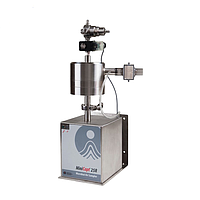
Biological Samplers Calibration Service
Accurate microbial air monitoring depends on more than routine sampling. In cleanrooms, pharmaceutical production, hospitals, food processing, and controlled laboratory environments, sampler performance directly affects the reliability of environmental monitoring data. When airflow, timing, or collection performance drifts over time, calibration becomes essential for maintaining confidence in the results.
Biological Samplers Calibration Service is intended for organizations that rely on microbial air samplers as part of contamination control and quality systems. This service supports consistent instrument performance, helps reduce measurement uncertainty, and provides a practical path for keeping critical monitoring equipment aligned with operational requirements.

Why calibration matters for biological samplers
Biological samplers are used to capture airborne microorganisms under controlled sampling conditions. Because these instruments are expected to draw a defined air volume and operate in a repeatable way, calibration is a key part of maintaining dependable monitoring practices. Even small deviations can influence trend analysis, alert investigations, or routine environmental reporting.
For B2B users, calibration is not only about instrument upkeep. It also supports broader quality objectives such as process consistency, data defensibility, and readiness for internal review or regulated workflows. In facilities where air quality data informs product safety or contamination control, maintaining a verified sampler is a practical requirement rather than an optional step.
What this service typically supports
This category covers calibration services for microbial and biological air sampling instruments used in environmental monitoring programs. The focus is on confirming that the instrument continues to operate within its intended measurement behavior, especially where airflow accuracy and repeatable sample collection are important to routine use.
Users often send samplers for service as part of periodic maintenance, pre-audit preparation, or after heavy use in production and laboratory environments. Calibration can also be relevant after transport, repair, or whenever instrument performance needs to be verified before returning the unit to active duty.
Common instruments included in this category
This page includes representative services such as the BUCKMicrobial Sampler Calibration Service and the PMS microbial air sampler calibration service. These examples reflect the type of equipment commonly used for viable air monitoring in controlled environments where particle and microbial control are closely managed.
The presence of brand-specific service options is helpful for buyers who already standardize on certain platforms. It also makes it easier to align calibration planning with installed equipment across multiple sites, especially when maintenance teams need a clear reference for supported instrument families.
How to choose the right calibration service
The right service option usually depends on the instrument type, how it is used, and the documentation expectations of the site. Buyers should confirm the sampler brand, service scope, and any operational issues observed before scheduling calibration. This helps avoid delays and ensures the instrument is evaluated in a way that matches the application.
It is also useful to consider calibration frequency in relation to risk, usage intensity, and internal quality procedures. A sampler used daily in a GMP environment may need different service planning than one used occasionally in a research lab. Where multiple environmental instruments are managed together, related services such as dew point meter calibration or light meter calibration may also be part of the same maintenance program.
Typical applications across controlled environments
Microbial air samplers are widely used wherever airborne contamination must be monitored in a structured and repeatable way. This includes pharmaceutical and biotechnology manufacturing, cleanroom operations, sterile processing areas, healthcare environments, food and beverage production, and microbiology laboratories.
In these settings, a calibrated instrument supports better comparability between sampling events and between locations. That matters when teams are reviewing environmental trends, investigating excursions, or maintaining stable monitoring programs over long periods. A well-managed calibration schedule helps keep the instrument aligned with the broader environmental monitoring strategy of the facility.
Benefits of calibrated microbial air sampling equipment
Reliable calibration supports several practical outcomes for technical teams. It improves confidence in collected data, helps maintenance and QA teams manage asset condition, and reduces the risk of relying on an instrument that has drifted from expected performance.
- More consistent sampling conditions across routine monitoring activities
- Better support for quality documentation and equipment traceability
- Greater confidence when reviewing contamination trends or deviations
- Improved alignment between field use and internal maintenance procedures
For organizations with broader environmental measurement needs, calibration planning is often handled as part of a larger instrument control program. In that context, adjacent services such as water activity meter calibration can be relevant for sites that monitor both microbial conditions and product or storage environments.
Working with BUCK and PMS sampler platforms
Two of the supported examples in this category are linked to BUCK and PMS equipment. Many buyers search by installed brand first, especially when they need continuity with existing validation, SOPs, or maintenance records. Using a brand-aligned service path can simplify internal coordination between lab staff, engineering teams, and quality personnel.
For facilities operating multiple microbial air samplers, standardizing calibration by manufacturer can also improve service tracking and planning. This is particularly useful in multi-room or multi-site operations where consistent instrument management is part of routine compliance and asset oversight.
Support a more dependable calibration program
Choosing the appropriate calibration service for biological samplers helps maintain dependable air sampling performance in environments where data quality matters. Whether the instrument is used for routine cleanroom checks, contamination investigations, or ongoing environmental monitoring, regular calibration supports better operational control and more credible measurement results.
If your team manages a wider range of environmental instruments, this category can also serve as part of a broader service workflow. Reviewing compatible calibration options alongside your microbial air sampler fleet makes it easier to build a maintenance plan that is practical, traceable, and suited to your application.
Get exclusive volume discounts, bulk pricing updates, and new product alerts delivered directly to your inbox.
By subscribing, you agree to our Terms of Service and Privacy Policy.
Direct access to our certified experts