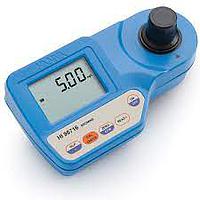
Bromine Concentration Meter Calibration Service
Accurate bromine measurement is critical wherever water quality, sanitation control, or chemical dosing must be verified with confidence. When a bromine meter drifts over time, even small deviations can affect process control, compliance checks, and daily operating decisions. A professional Bromine Concentration Meter Calibration Service helps restore measurement reliability and supports consistent results in routine testing.
This service category is intended for users who need calibration support for bromine testing instruments used in industrial water treatment, pools and spas, environmental monitoring, and laboratory workflows. Whether the instrument is used for spot checks or regular process verification, periodic calibration is an important part of maintaining dependable readings.
Why bromine meter calibration matters
Bromine concentration meters are used to assess disinfectant levels in water and related applications where chemical balance directly affects safety and performance. Over time, sensors, optical components, electronics, and measurement references can shift, causing the displayed value to no longer match the actual condition of the sample.
Regular calibration helps confirm that the instrument remains aligned with expected measurement performance. In practice, this supports traceable measurement quality, reduces uncertainty in test results, and improves confidence when operators need to adjust dosing, verify treatment effectiveness, or document inspection outcomes.
Typical situations where calibration is needed
Calibration is especially important when a meter is used frequently, transported between sites, or exposed to changing environmental conditions. Instruments may also require recalibration after extended storage, after maintenance, or whenever results appear inconsistent with reference testing or process behavior.
For many organizations, scheduled service is part of a broader asset management approach for environmental and analytical instruments. If your workflow also depends on related devices, it may be useful to review services such as alcohol meter calibration or dew point meter calibration for other measurement points in the same quality system.
What this service supports
This category focuses on calibration support for bromine concentration meters used in professional measurement environments. The goal is not only to check whether an instrument powers on or responds, but to verify that its readings remain suitable for real operating use.
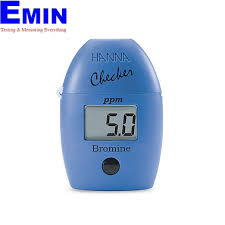
A representative example in this category is the HANNA Bromine Meter Calibration Service. For users who standardize on HANNA instruments, calibration service can be an efficient way to keep existing devices in serviceable condition while supporting stable measurement practices across multiple sites or teams.
How to decide when service is appropriate
A practical calibration interval depends on how the instrument is used. Devices that support critical sanitation control, frequent field measurements, or documented quality procedures often need more regular attention than meters used occasionally for internal checks. If readings appear slow to stabilize, differ from reference methods, or no longer match historical trends, service should be considered promptly.
It is also good practice to calibrate before major audits, seasonal operating peaks, or project handovers where recorded data must be defensible. In environments with several specialized instruments, users often coordinate service cycles across categories, including light meter calibration or water activity meter calibration, to simplify maintenance planning.
Benefits for laboratories, facilities, and service teams
The main value of calibration is improved trust in measurement data. For laboratories, this supports better repeatability and more reliable reporting. For facility operators, it helps ensure that process adjustments are based on realistic values rather than instrument drift. For service teams, calibrated meters reduce troubleshooting time when investigating water treatment or sanitation issues.
Another key advantage is better control over instrument lifecycle decisions. A calibrated meter can remain a useful tool in routine operations, while repeated out-of-tolerance findings may indicate that replacement or broader maintenance should be evaluated. In either case, calibration provides a clearer basis for action than relying on unverified readings.
Choosing the right calibration service for your instrument fleet
When selecting a calibration service, it helps to consider the meter brand, intended application, service history, and the level of documentation required by your organization. Some users need calibration mainly for operational confidence, while others require records that fit into internal quality procedures or external inspection frameworks.
If your team manages multiple environmental instruments, choosing services by device type can make maintenance planning more efficient and easier to track. A well-structured service approach helps reduce unexpected downtime, improves consistency across locations, and supports measurement reliability over the long term.
Support more dependable bromine measurement
Bromine meters are often used in situations where quick decisions depend on trustworthy readings. A dedicated calibration service helps keep those instruments aligned with real measurement conditions and reduces the risk of acting on inaccurate data.
If your bromine testing equipment is part of a regular monitoring or treatment workflow, periodic calibration is a practical step toward more consistent results, better documentation, and smoother day-to-day operation. Choosing the appropriate calibration service can help extend usable instrument life while supporting the quality standards your process depends on.
Get exclusive volume discounts, bulk pricing updates, and new product alerts delivered directly to your inbox.
By subscribing, you agree to our Terms of Service and Privacy Policy.
Direct access to our certified experts