
Chemical oxygen demand meter Calibration Service
Reliable COD measurement matters whenever wastewater treatment, surface water monitoring, or industrial discharge control depends on defensible analytical data. If a meter drifts over time, even small deviations can affect trend analysis, compliance reporting, and process decisions. A professional Chemical oxygen demand meter Calibration Service helps keep instruments aligned with expected performance and supports more consistent results in day-to-day testing.
This service category is intended for organizations using COD meters in environmental laboratories, utilities, manufacturing plants, and water treatment operations. Whether the instrument is used for routine checks or critical reporting, calibration is an important part of maintaining confidence in measured values and overall instrument reliability.
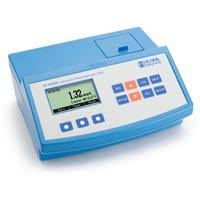
Why COD meter calibration is important
Chemical oxygen demand is a key parameter in water and wastewater analysis because it indicates the amount of oxidizable material present in a sample. In practical use, COD meters and related measurement systems are expected to provide repeatable, traceable readings that support process monitoring and regulatory workflows.
Over time, instrument response can shift due to routine use, handling, environmental conditions, or normal component aging. Calibration helps verify measurement performance, identify drift, and reduce uncertainty before inaccurate readings affect lab records or operational decisions. For teams managing multiple environmental instruments, this is often part of a broader maintenance strategy that may also include services such as dew point meter calibration for climate and process monitoring equipment.
What this service supports in real-world operations
A calibrated COD meter is especially valuable in settings where results are compared over time, between sites, or across batches. Wastewater treatment plants may use COD data to monitor influent and effluent quality, while industrial facilities may rely on it to evaluate treatment efficiency or discharge conditions. In these environments, measurement consistency is often just as important as the reading itself.
Calibration service can also support internal quality systems by helping users document instrument condition and maintain a more structured service schedule. This is useful for laboratories that work alongside other environmental measurement devices, including instruments covered under light meter calibration services or similar technical service categories.
Typical instruments and brands in this category
This category includes service options for widely used brands in environmental analysis, with examples from YSI, HANNA, WTW, and HUMAS. These manufacturers are commonly selected in laboratory and field testing workflows where water quality data must remain dependable over repeated use.
Representative service listings in this category include the YSI Chemical oxygen demand meter Calibration Service, HANNA Chemical oxygen demand meter Calibration Service, HUMAS Chemical oxygen demand meter Calibration Service, and WTW Chemical oxygen demand Calibration Service. These examples help illustrate the scope of supported equipment without turning the page into a simple product list.
When to schedule calibration
Calibration intervals depend on how often the meter is used, how critical the readings are, and the conditions in which the instrument operates. High-utilization instruments in busy labs or treatment facilities may need more frequent attention than backup units or meters used only for occasional checks. A schedule is usually easier to maintain when it reflects actual use rather than a generic time period.
It is also sensible to consider calibration after long storage, transport, unusual readings, repairs, or any event that may affect performance. If the instrument is part of a wider environmental testing program, aligning service intervals across devices can simplify planning. Some organizations do this together with other specialized services, such as water activity meter calibration, to keep maintenance cycles more organized.
How to choose the right calibration service
When selecting a service for a COD meter, the first priority is compatibility with the specific instrument brand and service scope. It is also helpful to consider how the instrument is used: bench testing, routine wastewater analysis, process monitoring, or periodic compliance support may each place different demands on calibration planning.
Buyers typically look for a service that fits their equipment fleet, documentation needs, and turnaround expectations. For operations using several environmental instruments from different manufacturers, choosing clearly categorized service options can make procurement and maintenance tracking more straightforward. In this category, the presence of dedicated manufacturer-related options for YSI, HANNA, WTW, and HUMAS helps users identify a more relevant path quickly.
Supporting a broader environmental measurement workflow
COD meter calibration should not be viewed in isolation. In many facilities, water quality measurement is only one part of a larger environmental or process-control framework that includes humidity, radiation, light, or other physical parameters. Maintaining calibration across related instruments supports better data continuity and can reduce the risk of making decisions based on mismatched measurement quality.
That broader perspective is especially useful for B2B buyers responsible for multiple departments or sites. A structured service portfolio makes it easier to standardize maintenance routines, compare service needs across instrument groups, and keep critical devices in working order throughout their operating life.
Choosing service with confidence
A well-managed calibration plan helps protect the value of your instrument investment and supports more dependable environmental data. For organizations that rely on COD testing in routine operations, selecting the right calibration service is an important step toward consistent performance, clearer documentation, and fewer avoidable measurement issues.
Use this category to review available service options for supported brands and identify the best fit for your equipment and operating requirements. When calibration is matched to the instrument type, usage pattern, and maintenance workflow, COD meter performance becomes easier to manage over the long term.
Get exclusive volume discounts, bulk pricing updates, and new product alerts delivered directly to your inbox.
By subscribing, you agree to our Terms of Service and Privacy Policy.
Direct access to our certified experts
