
Chromium Meter Calibration Service
Accurate chromium measurement is critical in water quality control, environmental monitoring, laboratory testing, and industrial process verification. When a chromium meter begins to drift, even small errors can affect compliance decisions, reporting confidence, and day-to-day process control. A professional Chromium Meter Calibration Service helps maintain reliable readings and supports traceable measurement performance over time.
This service category is intended for users who need dependable calibration for instruments used to measure chromium concentration in relevant samples and testing workflows. Whether the device is used in routine lab work, wastewater monitoring, or inspection activities, calibration is an important step in reducing uncertainty and confirming that the instrument continues to perform within expected limits.
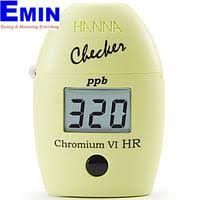
Why chromium meter calibration matters
Chromium analysis often supports decisions related to environmental safety, process quality, and regulatory documentation. In these applications, measurement accuracy is not only a technical requirement but also a practical necessity. A calibration service helps verify that the instrument response remains consistent and suitable for the intended measurement range.
Over time, instrument performance can change because of normal use, sensor aging, handling conditions, storage, or exposure to demanding operating environments. Regular calibration helps identify drift early, improve confidence in recorded values, and support better comparison between current readings and historical data.
What this service is typically used for
A chromium meter calibration service is relevant for organizations that rely on repeatable and documented measurement results. This includes environmental laboratories, water treatment facilities, manufacturing sites, research environments, and inspection teams that use chromium-related measurements as part of their quality or compliance workflow.
In practice, calibration is often scheduled as part of preventive maintenance or quality system control. It can also be useful after heavy use, after transport, after suspected reading deviations, or before an important testing campaign where dependable instrument performance is especially important.
What to expect from the calibration process
Although calibration procedures can vary depending on the instrument type and application, the overall goal is the same: to compare the meter's performance against appropriate reference conditions and determine whether the readings remain acceptable for use. This process helps establish a clearer picture of the instrument’s current condition and supports better decisions about adjustment, maintenance, or continued operation.
A well-managed calibration process also contributes to stronger documentation practices. For many B2B users, calibration is not only about technical verification but also about maintaining internal quality records, supporting audits, and improving consistency across instruments used at different sites or by different teams.
When to schedule calibration
Calibration intervals depend on how the chromium meter is used, how critical the measurements are, and the quality requirements of the organization. Instruments used frequently, exposed to variable conditions, or applied in sensitive monitoring tasks may require more regular service than devices used occasionally for screening or non-critical checks.
It is also sensible to arrange calibration when there are signs of unstable readings, unexpected deviations, or concerns after transport and storage. If your operation uses several environmental measuring devices, coordinating service intervals can make maintenance planning more efficient. For related needs, users may also review services such as dew point meter calibration or light meter calibration where similar quality-control planning applies.
Choosing a calibration service for chromium measurement instruments
When selecting a service provider, it is helpful to look at more than turnaround time alone. The most relevant points usually include the suitability of the service for the instrument category, the quality of the calibration workflow, the clarity of the resulting documentation, and the provider’s ability to support professional industrial or laboratory requirements.
For many organizations, traceability, repeatability, and service consistency are key selection factors. A suitable calibration service should help users maintain confidence in measurement results while fitting into existing maintenance schedules, quality systems, and operational priorities.
Part of a broader environmental instrument maintenance strategy
Chromium meters are often only one part of a wider measurement ecosystem. Sites that manage environmental parameters typically need consistent servicing across multiple instrument types to keep records aligned and reduce the risk of gaps in calibration status. Taking a broader view can simplify planning and improve long-term instrument management.
Depending on the application, related services may include water activity meter calibration or radiometer and UV instrument calibration. This kind of coordinated approach is especially useful for laboratories and industrial facilities that manage multiple environmental or analytical devices under one maintenance program.
Supporting reliable results in routine and critical work
In routine testing, calibration helps keep day-to-day measurements stable and comparable. In more critical applications, it supports confidence when results are used for reporting, troubleshooting, release decisions, or environmental review. Even when an instrument appears to function normally, scheduled service can reveal gradual changes that are not immediately obvious in everyday use.
For that reason, regular calibration should be viewed as a practical quality measure rather than a formality. It helps reduce uncertainty, supports better process discipline, and ensures the chromium meter remains a dependable tool within the broader testing workflow.
Conclusion
A dependable chromium meter is essential wherever chromium measurement influences technical, environmental, or quality-related decisions. Choosing a suitable Chromium Meter Calibration Service helps maintain reliable instrument performance, improve confidence in results, and support a more controlled maintenance routine.
If your organization manages several environmental instruments, it can be useful to align calibration planning across related devices and service intervals. A structured approach makes it easier to keep equipment ready for use, documentation organized, and measurement quality consistent over time.
Get exclusive volume discounts, bulk pricing updates, and new product alerts delivered directly to your inbox.
By subscribing, you agree to our Terms of Service and Privacy Policy.
Direct access to our certified experts