Density and concentration meter Calibration Service
Accurate density and concentration readings are essential when product quality, process stability, or laboratory traceability depends on reliable measurement data. In many industries, even a small deviation in a densimeter, refractometer, gravity meter, or density sensor can affect formulation control, incoming inspection, batch consistency, and final reporting.
Density and concentration meter calibration service helps verify that these instruments continue to perform within expected measurement behavior over time. This category is intended for users who need calibration support for portable or bench-top instruments used to evaluate density-related properties in production, QA/QC, laboratory, and inspection environments.
Why calibration matters for density and concentration measurement
Instruments used for density or concentration analysis often support decisions that directly influence product acceptance, process adjustment, or compliance documentation. When measurement drift goes unnoticed, operators may compensate incorrectly, reject acceptable material, or approve results that no longer reflect actual sample conditions.
Regular calibration provides a structured way to compare instrument response against known references and determine whether adjustment, correction, or further inspection is needed. For technical teams, this is not only about maintaining instrument performance, but also about improving confidence in trend data, repeatability, and day-to-day measurement reliability.
Typical instruments covered in this category
This service category is relevant to equipment used to assess fluid or material properties through density, specific gravity, refractive behavior, or concentration-related measurement principles. Depending on the application, the instrument may be used in food and beverage, chemical handling, research, utilities, or general industrial quality control.
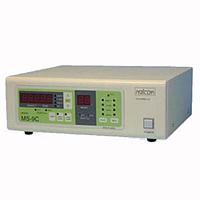
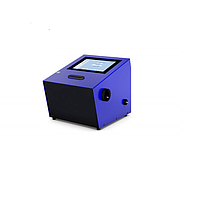
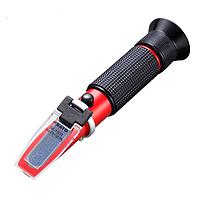
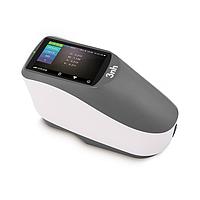
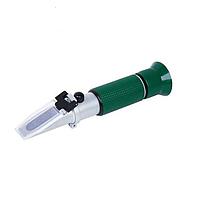
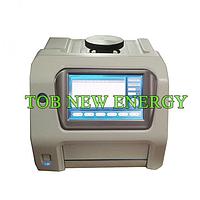
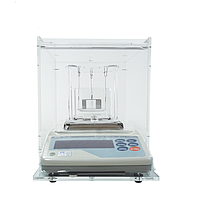
Examples in this category include the Cometech Densimeter Calibration Service, skSATO refractometer calibration support, Centec density sensor calibration, and Malcom gravity meter calibration. Although these devices may use different sensing methods, they share the same operational need: dependable measurement output that can be verified over time.
Examples from leading manufacturers
Users often search for calibration support based on the instrument brand already installed in their facility. This category includes service options related to manufacturers such as skSATO, Centec, Cometech, and Malcom, covering common instrument types used in density and concentration measurement workflows.
For example, the skSATO Refractometer Calibration Service is relevant where concentration is inferred through refractive measurement, while the Centec Density Sensor Calibration Service is more aligned with inline or sensor-based process monitoring. The Cometech Densimeter Calibration Service and Malcom Gravity Meter Calibration Service are also useful references for users working with laboratory or production testing instruments that depend on stable density-related readings.
How to choose the right calibration service
The most practical starting point is the instrument type and the measurement principle it uses. A densimeter, refractometer, gravity meter, and density sensor may all relate to concentration control, but they are not calibrated in the same way. Choosing a service aligned with the actual instrument function helps avoid mismatched expectations and supports more relevant calibration results.
It is also important to consider how the instrument is used: routine lab testing, incoming material inspection, in-process control, or field verification. Usage frequency, measurement criticality, operating environment, and your internal quality procedures all influence calibration intervals and service planning. Where applications overlap with other environmental or analytical tools, users may also review related services such as water activity meter calibration or alcohol meter calibration.
What calibration helps verify in practice
Calibration typically focuses on whether the instrument response remains consistent and suitable for its intended measurement range and application. For users, this can support better control of sample evaluation, more dependable comparison between instruments, and improved confidence when historical data is used to make process decisions.
Measurement traceability, repeatability, and result stability are common concerns in environments where concentration or density values influence production settings or acceptance criteria. A proper calibration workflow helps identify drift, detect questionable performance, and highlight when maintenance or additional inspection may be appropriate before the instrument is returned to active use.
Who commonly needs this service
This category is relevant to laboratories, QA departments, production plants, technical service teams, and industrial users that rely on concentration or density data as part of routine control. It can be especially useful when instruments are used to confirm formulation strength, process consistency, material identity, or concentration-related quality parameters.
Organizations with documented quality systems often schedule calibration at defined intervals, while others request service after suspected drift, before critical audits, or when measurement results become inconsistent between operators or locations. In either case, the goal is the same: maintain a reliable measurement baseline for decisions that affect quality and operations.
Supporting a broader calibration workflow
Density and concentration instruments are often part of a wider measurement ecosystem rather than standalone devices. Facilities that monitor environmental or material conditions across multiple test points may also require calibration for adjacent instruments, such as dew point meters or light meters, depending on the process and validation scope.
Looking at calibration needs across related instruments can help maintenance and quality teams standardize service planning, reduce unexpected downtime, and keep measurement practices aligned across departments. This is especially useful in B2B environments where several instrument types contribute to one inspection or production workflow.
Find calibration support that matches your instrument and application
Choosing calibration service for density and concentration measurement equipment is ultimately about matching the service scope to the instrument’s role in your operation. Whether you are working with a refractometer, densimeter, gravity meter, or density sensor, the right calibration approach helps preserve confidence in the readings used for technical and quality decisions.
Within this category, users can explore service options associated with skSATO, Centec, Cometech, and Malcom instruments, and compare them against their own measurement tasks and maintenance schedules. A well-chosen calibration plan supports more consistent data, smoother audits, and better long-term use of critical measuring equipment.
Get exclusive volume discounts, bulk pricing updates, and new product alerts delivered directly to your inbox.
By subscribing, you agree to our Terms of Service and Privacy Policy.
Direct access to our certified experts