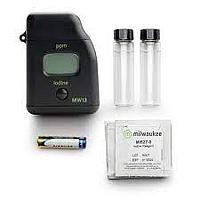
Iodine Concentration Meter Calibration Service
Accurate iodine measurement matters when process control, water quality checks, or laboratory verification depend on stable photometric readings. Over time, handheld meters and iodine photometers can drift due to normal use, environmental exposure, sensor aging, or handling conditions, which is why Iodine Concentration Meter Calibration Service plays an important role in maintaining confidence in test results.
This category is intended for users who need calibration support for iodine concentration measuring instruments used in routine monitoring and quality assurance workflows. Whether the device is used in a plant, utility, lab, or field environment, regular calibration helps confirm that readings remain reliable, repeatable, and suitable for decision-making.
Why calibration is important for iodine concentration meters
Iodine concentration meters are typically used where small measurement deviations can affect interpretation, compliance, or process consistency. If an instrument begins to drift, the result may not be obvious at first, but it can gradually lead to incorrect adjustments, unnecessary chemical dosing, or uncertainty in reported values.
A structured calibration service helps verify the instrument response against appropriate reference conditions and checks whether the meter is still operating within expected performance. This is especially relevant for organizations that need traceable maintenance records, routine quality control, or a more disciplined instrument management program.
Typical instruments covered in this category
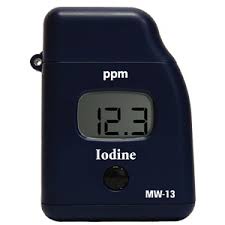
This category focuses on calibration support for iodine concentration measuring devices, including compact photometric instruments commonly used for spot testing and field measurement. Examples in this range include the HANNA Iodine meter Calibration Service and the MILWAUKEE Iodine Handy Photometer Calibration Service.
These examples illustrate the kind of equipment typically associated with the category: portable or bench-adjacent instruments designed for iodine analysis where dependable optical response and measurement consistency are essential. The exact calibration workflow may vary by instrument design, but the overall goal remains the same: to confirm that the meter continues to provide trustworthy readings.
When to schedule calibration
Calibration is usually recommended as part of a planned maintenance interval rather than waiting until readings become questionable. Instruments used frequently, transported often, or exposed to changing temperature and humidity conditions may need more regular attention than devices kept in controlled laboratory environments.
It is also sensible to schedule service after unusual events such as impact, extended storage, unstable readings, or failed internal verification checks. For teams managing multiple analytical devices, aligning iodine meter calibration with related services such as alcohol meter calibration can make preventive maintenance planning more efficient.
What users typically expect from a calibration service
In practical terms, calibration service is not just about adjusting a device. It is part of a broader measurement assurance process that helps users understand whether an instrument is still fit for its intended application. This often includes inspection of the instrument’s operating condition, verification of measurement performance, and documentation that supports equipment history and audit readiness.
For B2B users, service records are often just as important as the technical work itself. A clear calibration outcome can help maintenance teams, quality departments, and laboratory personnel decide whether the instrument should remain in service, be monitored more closely, or be evaluated further.
How to choose the right calibration support
When selecting calibration service for an iodine concentration meter, the first step is to identify the instrument type, brand, and intended use. Portable photometers used for routine field checks may have different service considerations from instruments used in controlled analytical environments, so the context of use should always be part of the decision.
Brand compatibility can also matter. If your installed base includes instruments from MILWAUKEE or HANNA, it is useful to review service options that align with those product families. Beyond brand, buyers should also consider service frequency, recordkeeping needs, internal quality procedures, and whether calibration is being performed as a standalone activity or as part of a wider equipment maintenance plan.
Calibration in a broader environmental instrument program
Iodine meters are often managed alongside other environmental and analytical instruments within the same facility. Building a consistent service schedule across device types can reduce downtime, improve documentation quality, and support more predictable maintenance cycles.
In that context, organizations may also review related categories such as water activity meter calibration service or dew point meter calibration service when standardizing instrument care across departments. This approach is especially useful for sites where environmental monitoring, quality testing, and process verification overlap.
Suitable for laboratories, utilities, and industrial users
This service category is relevant to a wide range of professional users, from laboratories and water treatment operations to manufacturing environments that rely on routine analytical checks. In these settings, calibration supports not only technical accuracy but also workflow consistency, troubleshooting, and confidence in reported data.
For procurement and maintenance teams, using a dedicated category for iodine meter calibration also simplifies equipment planning. It becomes easier to identify compatible service options, organize recurring calibration intervals, and keep analytical instruments in service with fewer interruptions.
Supporting reliable measurement over time
No measuring instrument remains stable forever, particularly when it is used regularly in real operating conditions. Periodic calibration helps reduce uncertainty, supports better comparison of results over time, and gives users a more dependable basis for process or quality decisions.
If your organization uses iodine concentration meters as part of routine testing, this category provides a focused starting point for keeping those instruments properly maintained. A well-timed calibration service can help extend usable instrument life, improve data confidence, and support a more controlled measurement environment.
Get exclusive volume discounts, bulk pricing updates, and new product alerts delivered directly to your inbox.
By subscribing, you agree to our Terms of Service and Privacy Policy.
Direct access to our certified experts