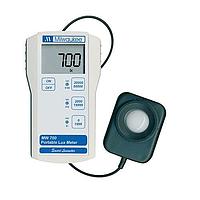
Light Meter Calibration Service
Accurate illumination measurement is essential in laboratories, cleanrooms, manufacturing areas, building maintenance, and environmental monitoring. When a lux meter starts to drift, even small deviations can affect compliance checks, workplace lighting assessments, and process validation. This is where Light Meter Calibration Service becomes an important part of instrument maintenance.
Professional calibration helps verify that a light meter is reading within an acceptable range and performing as expected for routine measurement work. For businesses that rely on dependable lux readings, scheduled calibration also supports traceability, reduces uncertainty in reporting, and helps extend the useful life of existing instruments.
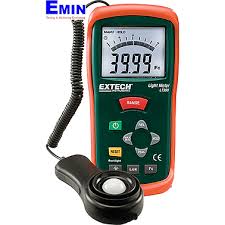
Why light meter calibration matters
Light meters are commonly used to measure illuminance in lux or foot-candles for workplace safety, facility management, HVAC validation, agriculture, and quality control. Because these instruments depend on optical sensors and electronic circuits, their readings can change over time due to use, aging, storage conditions, or environmental exposure.
Regular calibration helps confirm that the instrument still responds correctly to known light conditions. In practical terms, this means users can make decisions with greater confidence when checking lighting levels in offices, warehouses, production lines, schools, hospitals, or controlled environments.
What is typically included in the service
A calibration service for a light meter generally focuses on evaluating the instrument against reference standards and documenting the results. The objective is not only to identify whether the meter is within tolerance, but also to provide a clear record that supports maintenance programs, quality systems, and audit requirements.
Depending on the instrument and its condition, the service may involve functional checks, measurement comparison, and reporting of the calibration outcome. For companies operating multiple environmental instruments, it is often useful to align calibration intervals across related equipment such as dew point meter calibration service or water activity meter calibration service.
Suitable for many common light meter brands
This category covers calibration support for instruments from widely used manufacturers in the market. Typical examples include devices from FLUKE, TESTO, HIOKI, YOKOGAWA, EXTECH, HANNA, KYORITSU, MILWAUKEE, Amprobe, and Chauvin Arnoux.
Representative service entries in this category include the FLUKE Light Meter Calibration Service, TESTO Light Meter Calibration Service, HIOKI Light Meter Calibration Service, YOKOGAWA Light Meter Calibration Service, and EXTECH Light Meter Calibration Service. The category also includes calibration services for HANNA, MILWAUKEE, KYORITSU, Amprobe, and Chauvin Arnoux instruments, making it easier for maintenance teams to find support aligned with the devices already in use.
When to send a light meter for calibration
Calibration intervals depend on usage frequency, criticality of the application, internal quality requirements, and the operating environment. Instruments used regularly in inspections, audits, production verification, or regulated environments are often calibrated on a planned schedule to reduce the risk of unnoticed measurement drift.
It may also be time to recalibrate when the meter has been dropped, exposed to harsh conditions, stored for a long period, or when readings appear inconsistent compared with other reference instruments. If your site also uses solar, UV, or heat stress measurement devices, it can be helpful to review related services such as radiometers and UV calibration service as part of a broader instrument control plan.
How to choose the right calibration option
Choosing the right service starts with identifying the exact instrument brand and model, its measurement role, and whether the device is used for internal monitoring or for quality-critical records. It is also important to check whether your organization requires calibration documentation for audits, customer reporting, or internal standard operating procedures.
For multi-site operations or technical departments managing many handheld instruments, consolidating services by device type can simplify administration. A structured calibration program for environmental instruments often improves equipment availability, helps track due dates, and supports more consistent measurement practices across teams.
Benefits for maintenance, QA, and facility teams
For maintenance teams, calibrated light meters support reliable troubleshooting of lighting systems and workplace conditions. For QA and EHS teams, they help strengthen inspection records and make it easier to defend measurement results during audits or internal reviews.
In technical B2B environments, the value of calibration is not limited to compliance. It also helps reduce repeat measurements, avoid unnecessary equipment replacement, and maintain confidence in day-to-day field readings. That is especially relevant where illumination data is used to support acceptance testing, environmental checks, or documented process controls.
Support across different operational environments
Light meters are used in a wide range of sectors, from commercial buildings and industrial plants to laboratories and educational facilities. Because each environment places different demands on the instrument, calibration planning should reflect actual use conditions rather than relying on a generic schedule.
Organizations that manage several types of environmental measurement devices may benefit from coordinating service cycles across related categories, including light meter calibration service and other application-specific instruments. This approach can make service planning more predictable and easier to manage over time.
Choose a practical calibration workflow
A well-organized light meter calibration process helps ensure that illumination measurements remain dependable for operational and quality-related tasks. Whether you use handheld meters for routine facility checks or for more formal inspection work, regular calibration is a practical way to maintain measurement confidence.
Review the available service options by brand and instrument type, and match them to your maintenance schedule, documentation needs, and application risk level. With the right service plan in place, your light meter can continue to deliver stable and trustworthy results throughout its working life.
Get exclusive volume discounts, bulk pricing updates, and new product alerts delivered directly to your inbox.
By subscribing, you agree to our Terms of Service and Privacy Policy.
Direct access to our certified experts