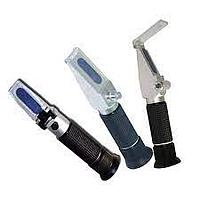
Sugar Meter Calibration Service
When sugar concentration readings are used to accept raw materials, control production, or verify product quality, measurement accuracy becomes a practical business issue rather than a minor technical detail. A reliable Sugar Meter Calibration Service helps keep refractometers and related sugar measurement instruments aligned with expected performance, reducing uncertainty in routine checks across food, beverage, laboratory, and process applications.
In many workflows, sugar meters are used to monitor Brix or similar concentration values for incoming ingredients, in-process mixtures, and final products. Regular calibration supports more consistent data, better traceability, and greater confidence when results are used for quality control or documentation.
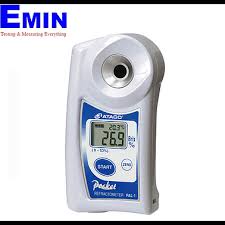
Why calibration matters for sugar measurement instruments
Sugar meters and refractometers are often exposed to frequent handling, temperature variation, sample residue, and day-to-day operating wear. Even small shifts in indication can affect product consistency, especially in applications where concentration readings influence blending, dilution, or release decisions.
A structured calibration process helps verify whether the instrument is reading within an acceptable range and whether corrective action is needed. This is particularly important for facilities that work with repeatable recipes, incoming inspection routines, or controlled manufacturing environments where measurement results must remain dependable over time.
Typical instruments covered in this category
This category is intended for calibration services related to sugar meters, including refractometer-based instruments used to evaluate dissolved solids concentration in liquids. These devices are common in food processing, beverage production, agriculture, research, and general laboratory work.
Examples in this category include service options for instruments from ATAGO, Bellingham, HANNA, PCE, KERN, KRUSS, EXTECH, MILWAUKEE, skSATO, and EBRO. Representative listings include ATAGO Refractometer Calibration Service, HANNA Refractometer Calibration Services, PCE Refractometer Calibration Service, and KRUSS Refractometer Calibration Service. The focus is not only on the brand name, but on maintaining measurement reliability for the instrument in real operating conditions.
When a sugar meter should be calibrated
Calibration intervals depend on how often the instrument is used, how critical the reading is, and the working environment. Instruments used daily in production or quality assurance generally benefit from more frequent calibration than units used occasionally for spot checks.
It is also sensible to arrange calibration after an impact event, after exposure to harsh conditions, when readings seem inconsistent, or before important inspection cycles. If results from one device no longer align with process expectations or with another reference instrument, calibration can help determine whether the difference comes from the sample, the method, or the instrument itself.
How to choose the right calibration service
Choosing a service starts with identifying the exact instrument type and how it is used in your process. Handheld and benchtop refractometers may have different handling patterns and operating contexts, so the most useful service is one that matches the instrument’s actual role in production or laboratory work.
It is also worth considering brand compatibility and service relevance. For example, users working with Bellingham, EXTECH, or skSATO equipment may prefer a service listing aligned with the original instrument family. If your measurement workflow includes other humidity- or sample-related instruments, you may also want to review related services such as water activity meter calibration or alcohol meter calibration where process control involves multiple quality parameters.
Supported brands and service examples
This category includes calibration service options for a broad range of widely used instrument brands. Common examples include ATAGO Refractometer Calibration Service, Bellingham Refractometer Calibration Services, EXTECH Refractometer Calibration Service, HANNA Refractometer Calibration Services, KERN Refractometer Calibration Service, and MILWAUKEE Refractometer Calibration Service.
Additional options such as EBRO Refractometer Calibration Service and skSATO Refractometer Calibration Service are also relevant for users maintaining mixed fleets of handheld or laboratory measurement tools. For organizations standardizing procurement by manufacturer, it can be helpful to explore the broader PCE instrument range or compare service needs across multiple brands already used on site.
Applications across food, beverage, and laboratory environments
Sugar concentration measurement is used in a wide range of operations, from beverage formulation and fruit processing to syrup preparation and laboratory sample analysis. In these environments, a calibrated instrument helps support repeatable testing and more stable process decisions.
Calibration is especially relevant where readings are tied to batch adjustments, product classification, or final quality checks. Even when the instrument is simple to operate, the value of the result depends on the instrument’s current condition, proper handling, and periodic verification.
Related calibration needs in the same workflow
Many facilities do not manage sugar measurement in isolation. A quality system may also include verification of environmental or analytical instruments used in the same process chain, particularly when product stability, storage conditions, or laboratory documentation are involved.
Depending on the application, related services such as dew point meter calibration may also be relevant for broader monitoring programs. Reviewing connected calibration categories can help purchasing teams and maintenance planners organize service schedules more efficiently.
Finding the right service for your instrument
The most suitable option usually depends on the instrument brand, the way the device is used, and the level of confidence required for the measurement result. Whether you are maintaining a single handheld refractometer or supporting a larger fleet across production and QC teams, selecting an appropriate calibration service helps protect data quality and supports smoother day-to-day operation.
If you already know the manufacturer, model family, or intended application, this category provides a practical starting point for narrowing down the right service. A well-matched sugar meter calibration plan can improve consistency, reduce avoidable measurement disputes, and support more dependable control of concentration-based processes.
Get exclusive volume discounts, bulk pricing updates, and new product alerts delivered directly to your inbox.
By subscribing, you agree to our Terms of Service and Privacy Policy.
Direct access to our certified experts