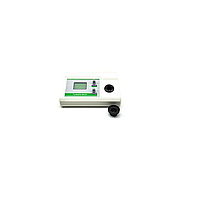
Turbidity Meter Calibration Service
Reliable turbidity measurements are essential wherever water quality has a direct impact on process control, compliance, product consistency, or environmental monitoring. When a meter drifts over time, even small measurement errors can affect treatment decisions, laboratory results, and reporting accuracy. A professional Turbidity Meter Calibration Service helps keep instruments aligned with expected performance so results remain trustworthy in daily use.
This service category is intended for organizations using portable or benchtop turbidity meters in water treatment, environmental testing, industrial utilities, food and beverage operations, and laboratory workflows. Whether you are managing a single handheld unit or maintaining a fleet of instruments from different brands, calibration is a practical step in preserving measurement confidence.
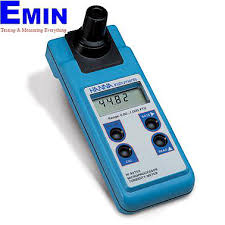
Why turbidity meter calibration matters
Turbidity is commonly used as an indicator of suspended particles in water, and it often supports decisions related to filtration performance, treatment efficiency, and sample quality. Because these measurements influence operational and quality-related actions, the instrument must provide stable and repeatable readings rather than approximate values that vary over time.
Regular calibration helps verify that the meter responds correctly across its intended measurement range and that optical performance remains consistent. This is especially important in applications where instruments are used frequently, transported between sites, or exposed to changing ambient conditions. In these situations, calibration is not only a maintenance task but also part of good measurement practice.
Typical instruments covered in this category
This category supports calibration needs for turbidity meters from widely used manufacturers, including HACH, Eutech, EXTECH, HANNA, MILWAUKEE, Palintest, PCE, YOKE, EZDO, and GLobal Water. Different brands may vary in interface, optics, and workflow, but the underlying goal remains the same: confirm that the instrument measures turbidity reliably under proper calibration conditions.
Representative service entries in this category include HACH Turbidity meter Calibration Service, Eutech Turbidity meter Calibration Service, HANNA Turbidity meter Calibration Service, MILWAUKEE Turbidity meter Calibration Service, EXTECH Turbidity meter Calibration Service, EZDO Turbidity meter Calibration Service, YOKE Turbidity meter Calibration Service, PCE Turbidity meter Calibration Service, Palintest Turbidity meter Calibration Service, and GLobal Water Turbidity meter Calibration Service. These examples illustrate the range of supported brands without limiting the service discussion to one platform or user segment.
When calibration should be considered
Calibration intervals depend on how the instrument is used, how critical the data is, and how stable the measuring environment remains over time. In many facilities, calibration is scheduled periodically as part of preventive maintenance. In others, it may be triggered by failed verification checks, unexpected readings, post-repair inspection, or quality system requirements.
You should also consider service when a turbidity meter has been stored for long periods, exposed to rough handling, or moved between field and laboratory environments. If readings no longer match process expectations or reference conditions, calibration can help determine whether the issue is related to instrument drift, setup, or measurement method.
What to look for in a calibration service
A useful calibration service should support measurement reliability rather than simply document that a device was received and returned. For B2B users, the practical concerns are usually turnaround, instrument traceability, suitability for the meter brand in use, and clear reporting that can be referenced during audits or internal quality reviews.
It is also important to choose a service that fits the way your team manages instruments. Some organizations standardize on one brand such as HANNA or HACH, while others operate mixed fleets across labs, maintenance teams, and field technicians. In those cases, a category structured by brand-specific service entries can make it easier to identify the right calibration path for each instrument.
Applications that depend on accurate turbidity readings
Turbidity meters are used in a wide range of settings where suspended solids or water clarity must be monitored consistently. Common examples include drinking water treatment, wastewater monitoring, process water control, educational and research laboratories, and general environmental testing. In these environments, an incorrectly calibrated meter can lead to unnecessary process adjustments or unreliable trend data.
Accurate readings are particularly valuable when turbidity is used alongside other environmental measurements. Facilities that maintain multiple instrument types may also need related services such as light meter calibration or dew point meter calibration as part of a broader instrument management program.
Choosing the right service entry for your instrument
The most straightforward way to select the right option is to match the service with your instrument brand. If your device belongs to a known manufacturer in this category, choosing the corresponding service entry helps avoid confusion and supports smoother handling. This is especially useful for purchasing teams, maintenance coordinators, and laboratories managing calibration requests across multiple departments.
Examples in this category cover brands commonly found in water analysis workflows, such as HACH, Eutech, EXTECH, HANNA, MILWAUKEE, Palintest, PCE, YOKE, EZDO, and GLobal Water. If your organization uses several models from one manufacturer, keeping calibration records grouped by brand can also simplify internal tracking and future service planning.
How this category supports B2B maintenance workflows
For industrial and institutional buyers, calibration is rarely a one-time purchase. It is usually part of an ongoing asset management routine that includes scheduled service, performance checks, and coordination between operations, quality, and procurement teams. A dedicated turbidity meter calibration category helps centralize those needs and makes repeat ordering more efficient.
This matters even more when organizations maintain several environmental instruments at the same time. Grouping calibration services by instrument type and brand reduces purchasing friction and helps users quickly identify the correct service option for each device. That structure is especially useful for laboratories, utilities, and service departments responsible for maintaining instrument uptime without interrupting critical measurement tasks.
Practical value of a dedicated turbidity calibration category
A focused category page makes it easier to compare service entries, identify supported brands, and align calibration requests with the instruments already in use. Instead of searching broadly across unrelated services, users can move directly to brand-relevant options and build a more organized maintenance plan for water quality instruments.
If your work depends on dependable turbidity readings, choosing the right calibration service is a practical way to maintain confidence in measurement results. This category brings together service options for commonly used turbidity meter brands so teams can support quality control, documentation, and long-term instrument performance with a clearer selection process.
Get exclusive volume discounts, bulk pricing updates, and new product alerts delivered directly to your inbox.
By subscribing, you agree to our Terms of Service and Privacy Policy.
Direct access to our certified experts