
Weather Meter Calibration Service
Reliable environmental measurements depend on more than instrument availability alone. When wind, temperature, humidity, rainfall, or station-based weather data are used for field surveys, site assessments, research, or compliance records, regular calibration helps keep readings consistent and traceable over time.
Weather Meter Calibration Service supports users who need confidence in the performance of portable weather meters, weather stations, and related environmental monitoring instruments. This category is intended for organizations that want to maintain measurement quality, reduce uncertainty, and keep critical instruments aligned with normal maintenance and quality-control practices.
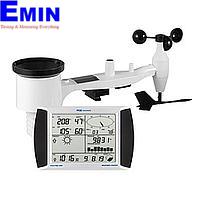
Why calibration matters for weather measurement instruments
Weather instruments are often exposed to demanding conditions such as dust, moisture, transport vibration, and long periods of outdoor use. Even well-maintained devices can gradually drift, which may affect data quality and lead to inconsistent comparison between measurements taken at different times or locations.
A proper calibration process helps verify whether the instrument is performing within an acceptable range for its intended use. For B2B users, this is especially important where environmental data supports technical reporting, equipment validation, workplace assessments, agriculture, building studies, or industrial monitoring programs.
Typical instruments covered in this category
This category is focused on calibration services for weather-related measuring devices, including handheld weather meters, weather stations, and rain-measurement instruments. Depending on the equipment design, these instruments may combine several parameters in one unit, such as air temperature, relative humidity, air velocity, pressure, or rainfall.
Examples available in this category include the PCE Weather meter Calibration Service, TSI Weather meter Calibration Service, DAVIS Weather meter Calibration Service, Extech Weather Station calibration service, HAZDUST Weather Station Calibration Service, and skSATO Rain Gauge calibration service. These listings illustrate the range of supported equipment types rather than suggesting that all instruments are calibrated in exactly the same way.
Common applications across industrial and technical environments
Calibrated weather and environmental instruments are used in many professional settings. Field engineers may rely on them for site condition checks, while EHS teams may use them during workplace surveys and environmental assessments. In agriculture, utilities, construction, and facility management, dependable weather data can also support operational planning and documentation.
In laboratories and quality systems, calibration is equally relevant because weather-related measurements may influence testing conditions or contextual records. If your work also involves adjacent environmental parameters, related services such as light meter calibration or dew point meter calibration may be useful alongside weather instrument maintenance.
How to choose the right calibration service
The most effective service choice usually starts with the actual instrument type and how it is used in the field. A portable weather meter, a fixed weather station, and a rain gauge can involve different sensing elements and different calibration considerations. Matching the service to the device category helps avoid delays and improves the likelihood that the returned instrument fits your operational needs.
It is also helpful to consider service history, usage frequency, environmental exposure, and internal quality requirements. Organizations with documented maintenance schedules often calibrate at defined intervals, while others may book service after heavy use, suspected drift, or before a critical project. Where multiple environmental instruments are managed together, a broader maintenance plan can improve consistency across the full measurement workflow.
Representative brands and service options
This category includes service options connected with widely recognized instrument manufacturers used in technical and industrial environments. Examples include TSI, DAVIS, EXTECH, PCE, skSATO, and HAZDUST. Mentioning these brands helps buyers quickly identify services that align with equipment already deployed in their organization.
For example, users operating portable field instruments may look for services such as the PCE Weather meter Calibration Service or TSI Weather meter Calibration Service. Teams using station-based monitoring equipment may be more interested in the Extech Weather Station calibration service or HAZDUST Weather Station Calibration Service, while rainfall monitoring programs may need a dedicated option such as the skSATO Rain Gauge calibration service.
What calibration helps you manage in practice
Calibration traceability is important because it supports repeatability, internal verification, and better decision-making. When readings are used in reports, comparisons, or operational reviews, a calibrated instrument gives users a stronger basis for trusting the data they collect.
It also helps reduce the risk of unnoticed measurement drift. In practice, this can matter when environmental readings are used to assess working conditions, compare site data over time, or support maintenance and process investigations. For organizations that manage several environmental devices, calibration can be part of a broader reliability program that includes inspection, periodic review, and service documentation.
Related calibration needs in environmental monitoring
Weather measurement rarely exists in isolation. Many monitoring programs combine atmospheric or ambient measurements with other environmental parameters depending on the application. That is why users who maintain weather instruments often also review nearby service categories for complementary devices.
For example, projects involving solar exposure or outdoor safety studies may also require radiometers, heat stress, solar, and UV calibration services. In storage, process, or environmental control applications, additional support for moisture-related measurement devices may also be relevant.
Supporting dependable environmental data over time
Weather instrument calibration is not only about servicing a device when something seems wrong. It is a practical step in maintaining dependable measurements, supporting maintenance records, and improving consistency across field and facility operations. Choosing a service that matches the instrument type and application helps protect the value of the data your team collects.
Whether you use a handheld meter, a weather station, or a rain gauge, this category provides a focused starting point for keeping key environmental instruments in working order. If your organization manages a wider range of monitoring tools, it may also be worth reviewing related calibration categories to build a more complete and efficient service plan.
Get exclusive volume discounts, bulk pricing updates, and new product alerts delivered directly to your inbox.
By subscribing, you agree to our Terms of Service and Privacy Policy.
Direct access to our certified experts
