Centrifugal Mixer Calibration Service
Consistent mixing performance is critical in laboratories and production environments where pastes, resins, adhesives, inks, or sensitive chemical formulations must be prepared with repeatable quality. When a centrifugal mixer begins to drift from its intended operating condition, the result can be unstable process outcomes, variation between batches, and unnecessary troubleshooting. Centrifugal Mixer Calibration Service helps verify that the equipment is operating as expected and supports more reliable daily use.
This service category is intended for organizations that depend on precise mixing, deaeration, and process repeatability. It is especially relevant for R&D labs, electronics manufacturing, materials development, chemical processing, and other technical environments where mixer accuracy and operational consistency affect downstream results.
Why centrifugal mixer calibration matters
A centrifugal mixer combines rotation and revolution to blend materials efficiently while often helping reduce trapped air. Because these machines are used in applications where mixture uniformity matters, even small deviations in operating behavior can influence viscosity, dispersion quality, air removal, and final product consistency. Calibration is therefore not only about checking a machine, but also about protecting process confidence.
Regular service can support laboratories and manufacturers that work under internal quality systems or controlled production routines. It also helps teams identify whether unexpected mixing results are caused by the formulation itself or by equipment performance drift over time.
What this service typically supports
Centrifugal mixer calibration service is generally used to confirm that the equipment is functioning within the expected operating range and that key performance-related aspects are reviewed in a structured way. In practical terms, this helps reduce uncertainty when comparing test data, scaling formulations, or maintaining routine production workflows.
Organizations often look for this service when they observe inconsistent degassing, uneven blending, unexpected batch-to-batch variation, or after a long period of continuous operation. It is also a sensible step after relocation, preventive maintenance, or before scheduled quality reviews of other lab systems such as water bath calibration service and temperature-controlled support equipment.
Suitable equipment and brand context
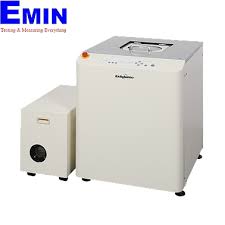
This category covers service needs for centrifugal and related laboratory mixing systems used in technical environments. Common examples within this page context include the Thinky platform and other mixer types used for controlled sample preparation and material processing. The goal is not limited to one workflow, since different labs may use mixers for adhesives, solder pastes, polymers, coatings, pharmaceuticals, or specialty compounds.
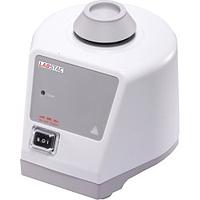
Representative service entries in this category include Thinky Centrifugal Mixer Calibration Service, Malcom Vacuum Mixing System Calibration Service, Yamato Touch Mixer Calibration Service, and Labstac Vortex Mixer Calibration Service. While these devices differ in mixing method and application focus, they are all part of a broader laboratory equipment ecosystem where measurement confidence and repeatability are important.
Examples of calibration service options
For teams already using specific platforms, the available service options can help align maintenance planning with installed equipment. The Thinky Centrifugal Mixer Calibration Service is relevant for facilities operating centrifugal mixing systems in development or production support roles. Where vacuum-assisted or alternative mixing technologies are used, the Malcom Vacuum Mixing System Calibration Service and Yamato Touch Mixer Calibration Service provide comparable service pathways for those respective systems.
The Labstac Vortex Mixer Calibration Service is another example for laboratories that rely on smaller-scale sample mixing tasks. These examples show that calibration requirements often extend beyond one device type, especially in labs where multiple preparation steps are combined into a larger analytical or manufacturing workflow.
How to evaluate service needs
Choosing the right calibration support starts with the actual role of the mixer in your process. If the equipment is used in formulation development, process validation, or any application where small changes in mixture quality can affect performance, regular review becomes more important. This is particularly true when mixing results are tied to material properties, dispensing behavior, curing performance, or analytical repeatability.
It is also useful to consider service intervals alongside utilization level, material type, and internal quality requirements. High-use equipment, systems handling demanding materials, or mixers supporting regulated environments may require closer attention than devices used occasionally for general preparation. In facilities with broader calibration planning, related service categories such as rotary evaporator calibration service or biosafety cabinet calibration service may also be part of the same compliance and maintenance framework.
Benefits for laboratories and production teams
The practical value of centrifugal mixer calibration service lies in improved process visibility. When equipment condition is known and documented, teams can make decisions with greater confidence during troubleshooting, method transfer, and routine operation. This is useful not only for quality assurance, but also for reducing wasted materials and repeat work.
Calibration also supports better coordination between engineering, production, and laboratory staff. Instead of treating unexpected results as isolated incidents, organizations can evaluate whether the source is material behavior, operator handling, or equipment condition. That makes maintenance planning more proactive and helps protect the consistency of critical workflows.
When to arrange calibration
Many users schedule service at planned intervals, but there are also practical trigger points that suggest calibration should be considered sooner. These include inconsistent mixing outcomes, unusual operating behavior, process deviations that cannot be explained by raw materials, or preparation for audits and formal quality reviews.
It is equally reasonable to book calibration after equipment relocation, after a repair event, or before starting a new formulation program that depends on stable mixing performance. In environments where several pieces of lab equipment must be maintained together, calibration planning is often more efficient when aligned across the broader instrument base rather than handled only after issues appear.
Supporting reliable mixing performance over time
Mixing equipment often sits at the beginning of a process chain, which means its condition can influence many steps that follow. A well-planned calibration approach helps maintain confidence in sample preparation, formulation work, and routine production support activities without overcomplicating maintenance decisions.
For organizations using centrifugal and related mixer systems from manufacturers such as Thinky, Yamato, Malcom, or Labstac, this category provides a focused starting point for service selection. By matching calibration support to actual equipment use and quality requirements, teams can improve repeatability, reduce uncertainty, and keep laboratory or process operations running with better control.
Get exclusive volume discounts, bulk pricing updates, and new product alerts delivered directly to your inbox.
By subscribing, you agree to our Terms of Service and Privacy Policy.
Direct access to our certified experts