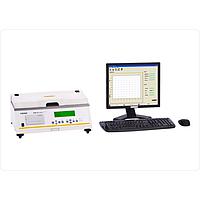
Friction Coefficient Tester Calibration Service
Reliable friction data depends as much on instrument accuracy as on the test method itself. In packaging, films, paper, coatings, and other material testing workflows, even small drift in a friction coefficient tester can affect quality decisions, product comparison, and compliance documentation. This is why Friction Coefficient Tester Calibration Service plays an important role in maintaining confidence in day-to-day test results.
On this page, you can explore calibration support for friction testing equipment used in mechanical and physical testing environments. The focus is not only on restoring measurement reliability, but also on helping laboratories and manufacturers keep their testing process consistent over time.
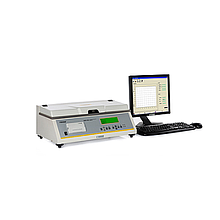
Why calibration matters for friction coefficient testing
A friction coefficient tester is typically used to evaluate how two surfaces interact under controlled conditions. Because the measured values are often used for material development, incoming inspection, and production quality control, the instrument must remain stable and traceable. If calibration is neglected, test variation may come from the equipment rather than the sample itself.
Regular calibration helps verify key aspects of tester performance, such as whether the system responds consistently and whether the measurement output remains aligned with expected standards. This is especially important in applications where coefficient of friction data influences machine runnability, packaging behavior, or material handling performance.
Typical users and applications
This service category is relevant to laboratories, packaging converters, material manufacturers, and quality teams that rely on repeatable friction measurements. In practice, these testers are commonly used when evaluating films, laminates, paper-based materials, sheets, and other surfaces where sliding behavior matters.
Calibration is particularly valuable when test results are compared across batches, shifts, suppliers, or production sites. In those situations, a well-maintained instrument supports more meaningful trend analysis and reduces the risk of making decisions based on inaccurate or drifting readings.
Scope of service across supported brands
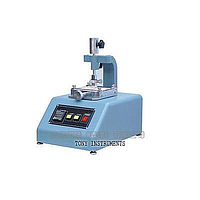
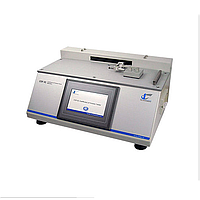
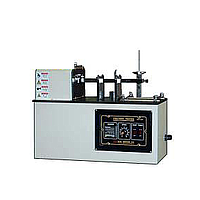
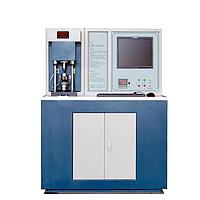
This category covers calibration service for representative equipment from manufacturers such as Cometech, JFM, and TONYHK. Rather than treating all testers as interchangeable, calibration should be aligned with the instrument type and its intended testing workflow.
Examples in this category include the Cometech Friction Tester Calibration Service, JFM Friction Tester Calibration Service, and TONYHK Friction Testing Machine Calibration Service. These examples help illustrate the range of supported friction testing equipment without turning the page into a product list.
What a calibration service helps verify
For friction testing equipment, calibration is generally intended to confirm that the instrument is operating within acceptable measurement behavior for its application. This may involve checking the reliability of the test response, reviewing the condition of the measuring system, and identifying signs of drift that could affect test repeatability.
In a broader quality framework, calibration also supports measurement traceability and better documentation. That matters for internal audits, customer requirements, and any testing process where dependable records are needed to support technical decisions.
When to schedule calibration
Many users arrange calibration at planned intervals as part of preventive quality control. However, there are also practical situations where service should be considered sooner: after relocation, following heavy usage, after repairs, or whenever test results begin to show unexplained variation.
If your laboratory operates several types of material testing instruments, it is often useful to coordinate service planning across related equipment. For example, teams managing friction testing may also maintain abrasion tester calibration service or water vapor transmission rate test system calibration service as part of a wider test lab maintenance plan.
How to choose the right calibration option
When selecting a service, it helps to start with the actual role of the instrument in your testing process. Consider how frequently the tester is used, how critical the data is for release or validation decisions, and whether you need service for a specific brand platform such as Cometech, JFM, or TONYHK.
It is also useful to review your internal quality requirements, documentation expectations, and maintenance history. A suitable calibration plan should support both technical reliability and practical laboratory management, especially where friction data is part of a broader materials evaluation workflow.
Related calibration needs in material testing laboratories
Friction testing is often only one part of a larger mechanical and physical testing environment. Depending on the products being evaluated, laboratories may also work with permeability, thermal, wear, or appearance-related test equipment. Looking at calibration in a connected way can make service scheduling more efficient and help maintain consistency across the entire lab.
For example, companies involved in packaging and barrier analysis may also need oxygen permeation system calibration service. This kind of structured approach is often more practical than treating each instrument as a separate maintenance task.
Supporting stable and repeatable test results
Choosing the right calibration service is ultimately about protecting the value of your test data. For laboratories and manufacturers that depend on friction measurements, regular calibration helps reduce uncertainty, improve consistency, and support more reliable comparison between samples and production lots.
If your work depends on stable sliding and surface interaction data, this category provides a focused starting point for maintaining friction testing equipment from established brands such as Cometech, JFM, and TONYHK. A well-planned calibration routine can make your friction test results more dependable and easier to trust in real operating conditions.
Get exclusive volume discounts, bulk pricing updates, and new product alerts delivered directly to your inbox.
By subscribing, you agree to our Terms of Service and Privacy Policy.
Direct access to our certified experts