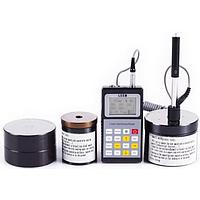
Hardness Meter Calibration Service
Reliable hardness readings are essential when inspection results affect material acceptance, process control, maintenance planning, or product quality records. In day-to-day use, even a well-made instrument can drift due to repeated testing, handling conditions, wear, or long service intervals. That is why Hardness Meter Calibration Service plays an important role in keeping measurement results consistent, traceable, and suitable for technical decision-making.
This service category is intended for businesses that use hardness testing in manufacturing, incoming inspection, laboratory work, coating evaluation, or field verification. Whether the device is used occasionally or as part of a regular quality workflow, proper calibration helps reduce uncertainty and supports confidence in every reading.
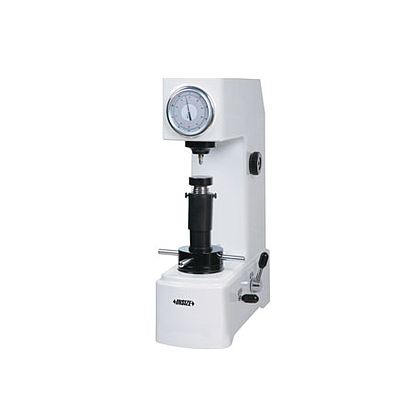
Why calibration matters for hardness measurement
Hardness measurement is often used as a quick indicator of material condition, surface performance, or treatment quality. If the instrument is out of tolerance, the impact goes beyond a single incorrect value. It can affect batch release decisions, rework judgments, supplier evaluation, and long-term quality documentation.
A scheduled calibration service helps verify that the instrument responds correctly across its intended measuring range and test method. It also gives users a more dependable basis for comparing readings over time, between operators, and across different production sites or inspection routines.
Typical instruments covered in this category
This category focuses on calibration services for hardness meters and related hardness testing instruments from widely used manufacturers. Common examples in this range include services for brands such as MITUTOYO, DEFELSKO, ELCOMETER, PCE, PROCEQ, TECLOCK, Cometech, KMT, NOVOTEST, and 3M.
Representative service listings include 3M Ultrasonic Hardness Tester Calibration Service, TECLOCK Hardness Tester Calibration Service, DEFELSKO Hardness Tester Calibration Service, Cometech Hardness Tester Calibration Service, PROCEQ Hardness Tester Calibration Service, and ELCOMETER Hardness Tester Calibration Service. The category also includes support paths for PCE Hardness Teter Calibration Service, Mitutoyo Hardness Teter Calibration Service, NOVOTEST Hardness Teter Calibration Service, and KMT Hardness Teter Calibration Service.
Because hardness instruments may use different testing principles and scales, calibration should be aligned with the specific device type and its practical application. This is especially important when the instrument is part of a documented inspection process or used to compare results across multiple jobs.
When to consider hardness meter calibration
Calibration is commonly scheduled at regular intervals, but there are also practical situations where earlier verification is advisable. For example, a device may need attention after transportation, heavy field use, repair, unexpected readings, or a noticeable shift between operators and reference samples.
If your organization is already maintaining a broader metrology program, it is often useful to review hardness instruments together with other dimensional and inspection tools. In many facilities, this category is managed alongside thickness gauge calibration service and other mechanical measuring instrument checks to keep inspection workflows synchronized.
How to choose the right service path
The best service choice depends on more than just brand name. Users should consider the instrument type, its testing method, the environment in which it is used, and whether the results support internal checks, customer requirements, or formal quality records. A portable field instrument may require a different calibration approach from a bench-based tester used in a controlled inspection room.
It is also helpful to identify the exact manufacturer before booking service, especially when managing mixed fleets. If your team works with portable coating and surface inspection instruments, services for brands such as DEFELSKO or ELCOMETER may be relevant in the same maintenance cycle as hardness verification. The aim is not simply to complete a service event, but to make sure the instrument remains suitable for its actual use case.
Benefits for quality control and audit readiness
A calibrated instrument supports more than measurement accuracy alone. It contributes to traceability, better repeatability in daily work, and clearer evidence that the inspection process is being controlled. This is particularly valuable in environments where test reports, incoming material checks, or production release criteria rely on hardness values.
From a quality management perspective, documented calibration helps reduce disputes over questionable readings and provides a stronger basis for root-cause analysis when a process drifts. It can also simplify preparation for internal audits, customer reviews, and routine quality system checks.
Part of a broader calibration workflow
Hardness instruments are often only one part of a larger inspection toolkit. In many workshops and QA departments, calibration planning is more efficient when related instruments are reviewed together rather than handled one by one. This helps avoid gaps in service intervals and supports more consistent control of measurement equipment.
Depending on your setup, you may also need related services such as callipers calibration service or micrometers calibration service. For teams managing multiple instrument types, this broader view can improve scheduling, documentation control, and equipment availability.
What businesses typically look for in this category
Most buyers in this area are not simply searching for a generic service. They usually need a practical match between the instrument in use and a calibration process that supports their inspection routine. That includes confidence that the service can align with the brand, the intended measuring method, and the documentation standards required by the organization.
For this reason, category-level browsing is often the first step before narrowing down to a specific service listing. If you already know the instrument brand or service reference, the product pages in this category provide a direct route to the appropriate calibration option. If you are still comparing service paths, the category gives a structured overview without forcing a one-size-fits-all decision.
Conclusion
Choosing the right hardness meter calibration service helps protect the reliability of inspection data and supports smoother quality control in production, maintenance, and laboratory environments. With service options covering recognized brands such as MITUTOYO, DEFELSKO, ELCOMETER, PCE, PROCEQ, TECLOCK, Cometech, KMT, NOVOTEST, and 3M, this category is designed to help users find a suitable path for maintaining measurement confidence.
If your hardness instrument is part of a routine testing program, regular calibration is a practical step toward better consistency, stronger records, and more dependable decisions across your operation.
Get exclusive volume discounts, bulk pricing updates, and new product alerts delivered directly to your inbox.
By subscribing, you agree to our Terms of Service and Privacy Policy.
Direct access to our certified experts