
Logic Analyzer Calibration Service
Accurate timing and valid logic-state measurements are essential when debugging digital buses, validating embedded designs, or tracing intermittent faults in production and service environments. A reliable Logic Analyzer Calibration Service helps ensure that trigger behavior, channel alignment, threshold performance, and timing-related measurements remain consistent with the instrument’s intended operating capability.
For engineering teams, maintenance departments, and calibration coordinators, this service category is relevant whenever logic analyzers are used for repeatable diagnostics, verification, or troubleshooting. Regular calibration supports measurement confidence, improves traceability in quality workflows, and helps reduce uncertainty when results are used to make technical decisions.
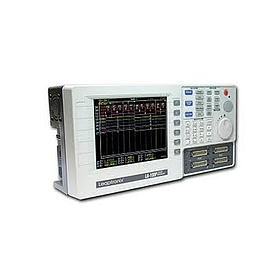
Why logic analyzer calibration matters
Logic analyzers are used to observe digital signals across multiple channels, often in systems where timing relationships are just as important as logic levels. When an instrument drifts over time, even small deviations can affect how engineers interpret captured data, especially during protocol analysis, event correlation, or trigger-based fault isolation.
A structured calibration process helps verify that the instrument continues to perform within acceptable limits for its intended use. This is particularly important in environments where test equipment supports product development, incoming inspection, failure analysis, or formal maintenance procedures.
What is typically covered in this service category
This category focuses on calibration services for standalone and related logic analyzer equipment used in digital electronics work. In practice, calibration may involve checking key performance aspects tied to timing accuracy, channel response, trigger functionality, and general measurement reliability, depending on the instrument design and service scope.
Users looking after mixed test benches may also need calibration across other waveform analysis instruments. If your workflow includes oscilloscopes alongside logic analyzers, it can be helpful to review related options such as digital oscilloscope calibration service for a more complete maintenance plan.
Typical use cases in digital test and troubleshooting
Calibration is especially relevant in applications where captured digital activity is used to confirm design behavior or diagnose faults. Examples include embedded system debugging, microcontroller interface validation, memory bus checks, FPGA development, and production support for digital assemblies.
In these scenarios, teams depend on repeatable trigger performance and dependable timing interpretation. A calibrated instrument is not a substitute for correct setup or probing technique, but it does provide a more trustworthy baseline when comparing results across projects, technicians, or maintenance intervals.
Service coverage for major instrument brands
This category includes support examples for widely used manufacturers such as KEYSIGHT and LEAPTRONIX. Brand-specific service listings can be useful when procurement teams or lab managers want a clearer path to instruments already installed in their facility.
Representative options in this category include the KEYSIGHT Logic Analyzers Calibration Service and the LEAPTRONIX Logic Analyzers Calibration Service. These examples help illustrate the available service direction without implying that every instrument follows exactly the same calibration procedure, interval, or acceptance criteria.
How to choose the right calibration service
When selecting a service, it is useful to start with the instrument’s role in your process. A logic analyzer used for routine fault finding may have different documentation and scheduling needs than one supporting validation, regulated production, or internal quality systems. The right choice usually depends on equipment criticality, usage frequency, and the level of traceability required by your organization.
It is also worth confirming whether your test environment includes related instruments that should be maintained on a similar cycle. For teams using portable instruments in field work or service operations, a handheld oscilloscope calibration service may be relevant as part of a broader calibration schedule.
Benefits for maintenance, quality, and engineering teams
A well-managed calibration program helps reduce the risk of relying on instruments with unknown measurement condition. For maintenance teams, this supports better troubleshooting consistency. For quality and production teams, it helps strengthen documentation discipline and equipment control. For design and validation engineers, it improves confidence in measured timing relationships and captured logic activity.
Regular service can also simplify asset planning by making calibration intervals easier to track across multiple benches or sites. In organizations with many electronic test instruments, grouping service decisions by instrument type often improves efficiency and makes it easier to maintain a coherent test equipment strategy.
When to review calibration intervals
Calibration frequency is usually influenced by how often the instrument is used, the environment in which it operates, and how critical its results are to your process. Instruments used heavily in development labs, training centers, repair depots, or production support may need closer interval review than those kept as backup units.
It may also be time to reassess service needs after relocation, long storage periods, unusual handling, or whenever measurement results appear inconsistent with expected system behavior. In broader electronics labs, some teams also review adjacent services such as PC oscilloscope calibration service to keep connected and bench-based tools aligned under the same maintenance framework.
Choosing with confidence
Logic analyzer calibration is ultimately about protecting the reliability of digital measurement work. Whether the instrument is used for board-level debugging, interface analysis, or support of production and maintenance tasks, consistent service helps preserve measurement confidence over time.
By reviewing brand compatibility, instrument usage, and the wider test ecosystem around the analyzer, buyers can choose a service path that fits both operational needs and internal quality requirements. This category is a practical starting point for organizations that want more dependable digital test results and better long-term control of critical electronic measurement assets.
Get exclusive volume discounts, bulk pricing updates, and new product alerts delivered directly to your inbox.
By subscribing, you agree to our Terms of Service and Privacy Policy.
Direct access to our certified experts
