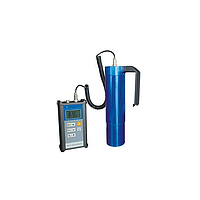
Radiation Meter/Detectors Calibration Service
When radiation instruments are used for safety checks, environmental monitoring, site surveys, or personal exposure control, measurement reliability is not optional. Even a high-quality device can drift over time, which is why Radiation Meter/Detectors Calibration Service plays an important role in maintaining trustworthy readings and supporting routine compliance workflows.
This category brings together calibration services for radiation-related measuring devices used across industrial, laboratory, maintenance, and field environments. Whether the instrument is a portable meter, detector, monitor, dosimeter, or multifunction environmental tester with radiation measurement capability, proper calibration helps confirm that the device continues to respond consistently within its intended operating range.
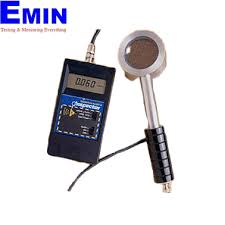
Why calibration matters for radiation measurement equipment
Radiation instruments are often used in applications where decisions depend directly on the accuracy of the displayed value or alarm response. A meter that reads low may underestimate exposure conditions, while a detector that reads high can lead to unnecessary interruption, investigation, or process delay. Calibration helps reduce this uncertainty by checking the instrument response against known reference conditions.
For many organizations, calibration is also part of a broader asset management and quality assurance process. It supports periodic verification, traceability, and confidence in recorded data, especially when radiation devices are used alongside other calibrated tools such as electrical and electronic meter calibration services in maintenance, inspection, and EHS programs.
Equipment typically covered in this category
This service category is relevant to a wide range of portable and fixed radiation measurement instruments. Common examples include radiation meters, handheld detectors, area monitors, dosimeters, and radiation testers used for survey work, controlled-area checks, or routine instrument verification planning.
The listed services show the practical scope of support available. Examples include FLUKE Radiation Detection Meter Calibration Service, Atomtex Radiation Monitor Calibration Service, RAE Radiation Dosimeter Calibration Service, and TENMARS Radiation Tester Calibration Service. These examples indicate that the category is not limited to one device format, but instead supports multiple instrument types commonly used in the field.
Supported brands and service coverage
Calibration needs often follow the installed base of instruments already in use, so brand compatibility is an important part of service selection. This category includes support examples associated with manufacturers such as FLUKE, HITACHI (Inspire The Next), PCE, RAE, Atomtex, IMI, POLIMASTER, TENMARS, and VELP.
Rather than treating calibration as a brand-only issue, it is more useful to view it as part of the complete measurement lifecycle. For instance, organizations using FLUKE handheld instruments, POLIMASTER radiation detectors, or Atomtex monitors may need regular service intervals based on usage frequency, internal procedures, or audit requirements. The presence of multiple manufacturers in this category helps buyers identify service options aligned with existing equipment fleets.
Examples of calibration services in this category
Several representative service entries help illustrate the range of supported instruments. These include MEDCOM Radiation Meter Calibration Service, POLIMASTER Radiation Detectors Calibration Service, VELP Radiation Detector Calibration Service, and HITACHI (Inspire The Next) Radiation Dosimeter Calibration Service. Each service is tied to a specific instrument family or brand context, making the category useful for users searching by installed equipment rather than by generic terminology alone.
There are also cases where a broader measurement device may include radiation-related functionality as part of a wider environmental or safety testing workflow. An example is the PCE ecosystem, represented here by PCE Environmental Tester Calibration Service. This is relevant for buyers who manage mixed instrument inventories and want to consolidate calibration planning across multiple test platforms.
How to choose the right calibration service
A practical starting point is to match the service to the exact instrument type in use: meter, detector, monitor, tester, or dosimeter. The next step is to confirm the manufacturer alignment and review whether the service listing corresponds to the device family deployed at your site. This reduces the risk of selecting a service that is too general or not well suited to the instrument’s intended function.
It is also useful to consider how the device is used in daily operations. Instruments used in frequent field surveys, safety inspections, or controlled environments may require more structured calibration scheduling than backup or low-utilization units. Buyers managing multiple asset classes may also want to review adjacent services such as mechanical measuring instruments calibration or oscilloscope and logic analyzer calibration as part of a centralized calibration program.
Common application environments
Radiation detection instruments are used in a variety of environments, including industrial facilities, research areas, maintenance departments, environmental monitoring activities, and safety inspection workflows. In these settings, consistent instrument performance is essential not only for day-to-day decision-making but also for maintaining confidence in logged measurement results.
Calibration is especially relevant when instruments are exposed to transport, repeated field use, long storage intervals, or demanding operating conditions. Even when an instrument appears to function normally, periodic calibration remains an important step for verifying response behavior and helping users detect drift before it affects operational judgment.
What this category offers for B2B buyers
For procurement teams, maintenance coordinators, EHS managers, and technical service planners, this category provides a focused way to find calibration services for radiation measurement equipment without sorting through unrelated service groups. The listed services are organized around recognizable instrument types and established brands, making it easier to identify relevant options for installed assets.
This structure is also helpful for companies standardizing vendor selection across multiple departments. A site may use handheld radiation detectors in one team, dosimeters in another, and broader electrical test equipment elsewhere. A dedicated category page helps connect those needs to a broader calibration strategy while keeping the service search process clear and efficient.
Final considerations
Selecting the right calibration service starts with understanding the instrument’s role, usage pattern, and brand context. This category is designed to support that process for radiation meters, detectors, monitors, testers, and dosimeters used in professional environments where dependable readings matter.
If you are maintaining a fleet of radiation measurement devices, this page is a practical starting point for identifying suitable service options by equipment type and manufacturer. A well-planned calibration schedule helps extend measurement confidence over time and supports more consistent operational decisions across safety, inspection, and monitoring tasks.
Get exclusive volume discounts, bulk pricing updates, and new product alerts delivered directly to your inbox.
By subscribing, you agree to our Terms of Service and Privacy Policy.
Direct access to our certified experts