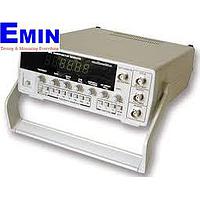
Signal generator calibration, function generator
Reliable test results start with instruments that generate stable, repeatable signals. In labs, service centers, manufacturing environments, and electronics development workflows, even small deviations in output frequency, amplitude, pulse shape, or modulation performance can affect measurement confidence. A well-structured signal generator calibration, function generator service helps maintain traceability and supports more consistent verification across RF, general-purpose, and pulse-generation applications.
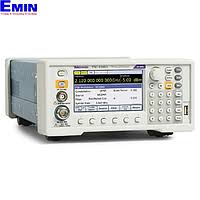
This category focuses on calibration services for signal-generating instruments used in electronic testing. It is relevant for teams working with benchtop generators, RF sources, impulse generators, and related equipment that must deliver known output conditions during troubleshooting, validation, and routine maintenance.
Why calibration matters for signal-generating instruments
Signal generators are often used as reference sources in broader test setups. When the source itself drifts, downstream measurements can become misleading, especially in applications involving communication testing, waveform verification, sensitivity checks, and timing analysis. Calibration helps confirm that the instrument is performing within expected limits for the parameters that matter in daily use.
For many organizations, calibration is not only about accuracy. It also supports preventive quality control, internal audit readiness, and better alignment between production, QA, and service teams. When signal sources are calibrated on schedule, troubleshooting tends to be faster because engineers can spend less time questioning the source instrument.
Typical instrument types covered in this category
This category is centered on signal generator and function generator calibration, including related source instruments used in electronic and RF test environments. Depending on the equipment type, the calibration scope may focus on waveform output, level stability, frequency behavior, timing characteristics, or other source-related performance checks appropriate to the instrument class.
Examples in this category include services such as KEYSIGHT RF Signal Generator Calibration Service, TEKTRONIX RF Signal Generator Calibration Service, GW INSTEK Impulse Generator Calibration Service, and Rohde & Schwarz Impulse Generator Calibration Service. These examples illustrate the range from RF signal sources to pulse and impulse generators used in specialized verification tasks.
Common use cases across electronics, RF, and service environments
In electronics design and repair, function and pulse generators are frequently used to simulate input conditions, inject known signals, and verify circuit behavior. In RF environments, source accuracy is especially important when evaluating receivers, front-end stages, or communication modules where frequency and output level errors can influence overall test conclusions.
Calibration is also important in production support and field service. Teams that rely on recurring test procedures benefit from a traceable calibration workflow because it improves repeatability between stations, technicians, and sites. Where signal sources are used together with measurement instruments, it may be useful to review related services such as oscilloscope and logic analyzer calibration to keep the full test chain under control.
Brands and equipment ecosystem supported
This category includes calibration service references for widely used manufacturers in test and measurement. Commonly requested brands in the available context include KEYSIGHT, PICO, Rohde & Schwarz, TEKTRONIX, BKPRECISION, GW INSTEK, KIKUSUI, METRIX, and Promax. Different brands may serve different application needs, from RF signal generation to general waveform output and impulse testing.
Representative services listed here include BKPRECISION RF Signal Generator Calibration Service, KEYSIGHT Impulse Generator Calibration Service, PICO Impulse Generator Calibration Service, and KIKUSUI Impulse Generator Calibration Service. Rather than treating all instruments the same, calibration planning should reflect the actual role of each source in the test process, the required confidence level, and how often the unit is used.
How to choose the right calibration service
Choosing the right service starts with identifying the instrument type and the way it is used. A general-purpose function generator used for educational or maintenance work may have different calibration priorities than an RF source used for communication testing or an impulse generator used for timing and transient-related applications. The service decision should reflect the parameters that most directly affect your measurement outcome.
It is also helpful to consider calibration intervals, equipment criticality, and how the generator interacts with other calibrated assets. If your workflow includes supporting power equipment or electronic meters, you may also want to review AC/DC power supply calibration services or electrical and electronic meter calibration services as part of a broader maintenance program.
What buyers typically look for in B2B calibration planning
Technical buyers usually need more than a simple service label. They want to know whether the calibration matches the instrument category, whether the service is suitable for routine quality programs, and whether it supports dependable test operation over time. For signal-generating equipment, the key concern is usually confidence that the source remains consistent enough for the intended task.
From a procurement perspective, grouping similar assets into a planned calibration cycle can reduce disruption and simplify asset tracking. This is especially relevant for organizations that manage mixed fleets of RF generators, waveform generators, and pulse or impulse sources from multiple manufacturers. A structured service category helps buyers identify the right path without having to search product by product.
Examples of calibration services available in this category
The listed services provide a practical view of the category scope. Available examples include TEKTRONIX RF Signal Generator Calibration Service, KEYSIGHT RF Signal Generator Calibration Service, BKPRECISION RF Signal Generator Calibration Service, TEKTRONIX Impulse Generator Calibration Service, Promax Impulse Generator Calibration Service, and METRIX Impulse Generator Calibration Service.
These references are useful when you already know the manufacturer or instrument family you need to support. At the same time, the category is also helpful for users comparing service options across different source technologies, especially when maintaining multiple instrument types in one facility.
Support a more dependable test setup
Calibrated source instruments play an important role in keeping electronic and RF test processes reliable. Whether you are maintaining a single waveform generator or managing a larger inventory of RF and impulse sources, selecting the right service category makes it easier to align calibration with actual operating needs.
By reviewing the instrument type, application, and broader test chain, buyers can choose a service approach that supports stable performance and better day-to-day measurement confidence. This category is designed to help narrow that decision for signal generator and function generator equipment used in professional B2B environments.
Get exclusive volume discounts, bulk pricing updates, and new product alerts delivered directly to your inbox.
By subscribing, you agree to our Terms of Service and Privacy Policy.
Direct access to our certified experts