
High-speed camera Calibration Service
Accurate motion analysis depends on more than frame rate alone. When a camera is used for research, product development, impact testing, fluid dynamics, or industrial diagnostics, calibration helps confirm that the recorded data remains trustworthy and consistent over time.
High-speed camera Calibration Service is relevant for organizations that rely on precise image capture in demanding test environments. It supports confidence in measurement workflows, helps reduce uncertainty in repeated tests, and provides a more reliable basis for comparing results across projects, operators, or facilities.
Why calibration matters for high-speed imaging
High-speed cameras are often used where events happen too quickly for standard video systems to capture clearly. In these settings, even small deviations in timing, exposure behavior, or image performance can affect analysis quality, especially when the footage is used as part of engineering validation or failure investigation.
A structured calibration service helps verify that the camera is performing within an appropriate reference framework. For teams working with motion studies, ballistic testing, manufacturing process review, or experimental setups, this is an important part of maintaining measurement confidence rather than treating the camera as only a visual recording device.
What this service supports in practical workflows
In many laboratories and industrial environments, a high-speed camera is integrated into a broader testing chain that may include sensors, triggers, lighting, data acquisition, and analysis software. Calibration supports this ecosystem by helping users confirm that the imaging system remains suitable for repeatable technical work.
This is especially useful when the camera output is referenced in reports, validation procedures, internal quality documentation, or customer-facing test records. Organizations looking across related options can also review the broader high-speed camera calibration service category alongside other imaging-related service needs.
Typical use cases for high-speed camera calibration
Calibration is commonly considered when the camera is used for applications where image data influences technical decisions. Examples include observing rapid mechanical motion, checking product behavior during stress tests, studying short-duration events, or documenting production issues that are difficult to reproduce at normal recording speeds.
It is also relevant after extended use, before critical test campaigns, or when a camera is part of a controlled maintenance program. In organizations that manage multiple visual inspection tools, calibration planning may also sit alongside services such as industrial video borescope calibration to keep inspection and imaging equipment aligned with internal quality requirements.
PHANTOM calibration service in context
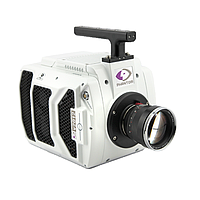
For users working with PHANTOM systems, the PHANTOM High Speed Camera Calibration Service is one of the relevant service options in this category. It fits the needs of teams that depend on high-speed imaging for technical observation, test documentation, and detailed event capture where stable performance matters.
Rather than viewing calibration as a one-time administrative task, many engineering groups treat it as part of ongoing equipment control. This is particularly important when high-speed cameras are shared across departments, moved between test setups, or used in environments where reliable visual data supports engineering judgment.
How to evaluate a calibration service for your application
The right service approach depends on how the camera is used in practice. A development lab may prioritize repeatability between test cycles, while a production or quality environment may focus more on traceable maintenance routines and minimizing disruption to ongoing operations.
It is useful to consider factors such as equipment usage intensity, the criticality of recorded data, internal audit requirements, and how the camera interacts with the rest of the test setup. For some buyers, the main goal is simply to restore confidence before a major project; for others, calibration is part of a broader preventive service strategy for imaging assets.
When to schedule calibration
There is no single schedule that fits every operation, because service intervals depend on workload, handling conditions, environmental exposure, and the importance of the captured results. Cameras used frequently in R&D, repetitive testing, or harsh industrial settings may need closer attention than units used occasionally for general observation.
Calibration should also be considered after transport, after long storage periods, or whenever image behavior appears inconsistent with expected performance. If the camera plays a role in formal testing or quality documentation, keeping a current calibration record can help simplify internal review and equipment management.
Choosing a service category that matches your equipment
Imaging systems used in industry do not all serve the same purpose, so calibration needs should be matched to the device type and application. A high-speed camera used for transient event analysis differs significantly from a borescope used for internal visual inspection, even though both belong to a wider family of camera-based equipment services.
That is why selecting a clearly defined service category matters. It helps procurement teams, maintenance planners, and technical users narrow the scope quickly and identify the most relevant support path for the instrument they actually operate.
Support more reliable testing and imaging results
Where image data influences engineering conclusions, maintenance decisions, or product validation, calibration is a practical step toward more dependable workflows. A properly selected service can help reduce doubt around equipment performance and improve consistency from one test cycle to the next.
If your organization uses high-speed imaging in research, troubleshooting, or industrial verification, this category provides a focused route for managing that requirement. Reviewing the available service options here is a sensible starting point when you need more reliable high-speed camera performance in daily technical work.
Get exclusive volume discounts, bulk pricing updates, and new product alerts delivered directly to your inbox.
By subscribing, you agree to our Terms of Service and Privacy Policy.
Direct access to our certified experts
