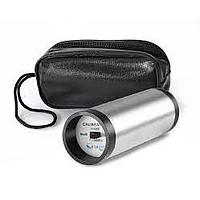
Audio Calibrator Inspection Service
Reliable acoustic measurements depend on more than the sound level meter alone. When the reference device used to check and adjust measurement accuracy begins to drift, the entire noise monitoring process can be affected. This is why Audio Calibrator Inspection Service is important for laboratories, EHS teams, maintenance departments, and industrial users who rely on repeatable sound measurement results.
An inspection service for audio calibrators helps verify that the device is operating correctly, producing the expected acoustic reference, and remaining suitable for routine field or lab use. For organizations working with occupational noise assessment, environmental monitoring, or instrument verification workflows, periodic inspection supports confidence in daily measurements and overall quality control.
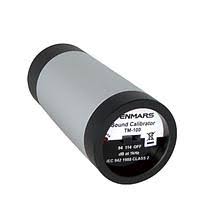
Why audio calibrator inspection matters
An audio calibrator is used as a reference source for checking sound measurement instruments before or after use. If the calibrator itself is not performing within expected conditions, the validation step loses value. Inspection helps identify wear, drift, handling issues, or performance concerns before they create larger problems in reporting or compliance work.
In industrial and technical environments, even small measurement uncertainties can influence trend analysis, workplace assessments, and maintenance decisions. A structured inspection service gives users a practical way to maintain trust in their calibration chain without relying only on visual checks or assumptions about device condition.
Typical users and application environments
This service is relevant across many sectors where acoustic readings are part of routine operations. Common examples include factory noise surveys, health and safety programs, environmental sound monitoring, building services assessment, and quality control tasks involving sound measurement equipment.
Technical teams using handheld meters and acoustic references in field conditions often face temperature variation, transport stress, dust exposure, and frequent handling. Over time, these factors can affect the condition of an audio calibrator, making inspection a sensible part of ongoing instrument care.
What an inspection service helps you evaluate
While the exact workflow can vary by equipment type, an inspection service generally focuses on whether the calibrator remains suitable for use in a professional measurement routine. This may include checking overall operating condition, functional behavior, and whether the unit still performs consistently as a practical reference for sound-related verification tasks.
Inspection is also useful when a device has been stored for long periods, transported between sites, or used heavily in demanding environments. For companies managing several types of calibrators, it can be helpful to align service intervals across related categories such as electrical calibrator inspection services or process signal calibrator inspection services to simplify maintenance planning.
Supported brands and examples within this category
This category includes inspection services for audio and sound calibrators from well-known instrument manufacturers used in professional measurement work. Examples include services for models and devices associated with TESTO, EXTECH, PCE, ACO, PULSAR, TENMARS, KERN, LUTRON, and BKPRECISION.
Representative service entries in this category include the TESTO Sound Calibrator Inspection Service, EXTECH Sound Calibrator Inspection Service, PCE Sound Calibrator Inspection Service, and ACO Sound Calibrator Inspection Service. These examples illustrate the scope of support available for users working with established brands in acoustic measurement and verification.
How to choose the right inspection service
When selecting a service, start with the device brand and the exact equipment you use in your measurement workflow. Matching the service to the correct manufacturer and instrument type helps avoid unnecessary delays and makes the service request process more straightforward.
It is also useful to consider how the calibrator is used in practice. A unit used occasionally for internal checks may have different service timing compared with a heavily used device that supports routine field surveys. If your maintenance program covers multiple reference instruments, you may also want to review related options such as tachometer calibrator inspection or dry block and bath calibrator inspection services for a more coordinated asset management approach.
When to send an audio calibrator for inspection
Many users arrange inspection as part of a scheduled maintenance cycle, especially when the calibrator supports recurring reporting, audits, or regulated monitoring tasks. It may also be worth sending the device for inspection after impact, unusual readings, prolonged storage, or any event that raises doubts about performance.
Another common trigger is inconsistency between expected instrument response and field verification results. If a sound level measurement process no longer behaves as expected, the issue may not always be the meter itself. Checking the audio calibrator can be an efficient step in troubleshooting the broader measurement setup.
Benefits for maintenance teams and quality systems
For B2B users, inspection is not only about the device in isolation. It supports broader goals such as traceable workflows, instrument uptime, maintenance planning, and reduced uncertainty in operational measurements. A well-managed inspection schedule can also help standardize how teams handle reference equipment across departments or sites.
Organizations that maintain multiple instrument categories often benefit from treating calibrator inspection as part of a larger equipment reliability program. This approach is particularly useful where sound measurement sits alongside electrical, process, temperature, or mechanical verification tasks.
Choosing a practical service path
If your team depends on consistent acoustic checks, keeping the calibrator in suitable operating condition is a practical step rather than an administrative one. This category brings together inspection service options for commonly used brands, making it easier to identify the right path for your equipment and service planning.
Whether you use a TESTO, EXTECH, PCE, ACO, PULSAR, TENMARS, KERN, LUTRON, or BKPRECISION device, the goal is the same: maintain confidence in the reference instrument that supports your sound measurement workflow. Reviewing the available service entries in this category can help you choose an option that fits your equipment fleet and maintenance cycle.
Get exclusive volume discounts, bulk pricing updates, and new product alerts delivered directly to your inbox.
By subscribing, you agree to our Terms of Service and Privacy Policy.
Direct access to our certified experts