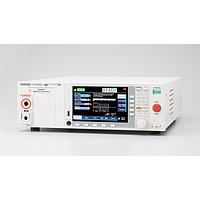
Electrical safety Calibrator Inspection Service
When electrical safety testers are used to verify insulation, dielectric strength, and protective earth performance, the accuracy of the calibrator behind that process becomes just as important as the test itself. A reliable Electrical safety Calibrator Inspection Service helps confirm that calibration equipment used for hipot and related safety verification is performing within expected conditions, supporting consistent quality control in laboratories, production lines, and service environments.
This category is intended for organizations that need inspection support for calibrators used in electrical safety testing workflows. Whether the requirement comes from routine maintenance, internal quality procedures, or preparation for wider calibration activities, the service focus is practical: check instrument condition, verify relevant functions, and help maintain confidence in measurement results over time.
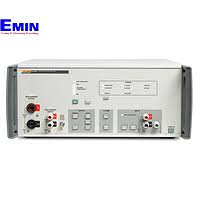
Why inspection matters for electrical safety calibrators
Electrical safety testing is closely tied to product compliance, operator protection, and manufacturing traceability. If a calibrator used to check a hipot tester or similar safety instrument is not in proper condition, errors can flow downstream into acceptance testing, maintenance records, or final verification procedures.
A structured inspection service helps identify issues such as performance drift, functional abnormalities, connection problems, or signs of wear that may affect repeatability. In B2B environments, this is especially important where test equipment supports regular audits, incoming inspection, end-of-line verification, or periodic validation of safety test systems.
Typical scope of service
While the exact workflow depends on the instrument type and service requirements, an inspection service for this category generally focuses on the operational condition of the calibrator and its suitability for continued use. This can include visual assessment, basic functional checks, output verification, and review of whether the unit behaves as expected in normal operating conditions.
For companies managing multiple categories of calibration assets, this service is often part of a wider maintenance strategy alongside electrical calibrator inspection services or other instrument-specific checks. Grouping these activities can improve equipment control and make service planning more predictable across departments.
Suitable applications and user environments
This service is relevant wherever electrical safety testing plays a role in product validation or equipment maintenance. Common use cases include electronics manufacturing, appliance testing, industrial panel production, service centers, test laboratories, and quality departments that routinely verify hipot or insulation test performance.
It is also useful for organizations that support multiple instrument classes and need a clear maintenance path for safety-related calibration tools. In broader calibration programs, companies may also require services for signal, temperature, or pressure devices, such as process signal calibrator inspection depending on the mix of equipment used in their facilities.
Representative brands and service references
This category includes service references associated with widely recognized manufacturers such as KEYSIGHT and KIKUSUI. For example, listed items such as the KEYSIGHT Hipot Tester Calibrator Inspection Service and KIKUSUI Hipot Tester Calibrator Inspection Service reflect the practical focus of this category: supporting calibrators used to check electrical safety testers in real working environments.
Brand mention here should be understood as a guide to compatible service demand rather than a limitation of application. In many facilities, service decisions are based on instrument role, usage frequency, and maintenance history as much as on manufacturer name alone.
How to choose the right inspection service
The most effective way to select a service is to start with the instrument’s role in your test process. If the calibrator is used to support hipot verification, insulation resistance checks, or broader electrical safety routines, the inspection should match the criticality of those tasks and the level of documentation your quality system expects.
It is also worth considering service interval, usage intensity, transport history, and whether the unit is part of a larger asset management program. Organizations that operate a mix of calibration equipment may benefit from coordinating this category with related services such as pressure comparator inspection service only when relevant to the same maintenance planning cycle.
Benefits for quality, traceability, and equipment lifecycle
A timely inspection does more than identify faults. It supports measurement confidence, helps reduce unexpected downtime, and provides a clearer basis for deciding whether an instrument should continue in service, be adjusted, or move to further evaluation. For quality-driven operations, that visibility is valuable because it links equipment condition to testing consistency.
Over the long term, regular inspection can also contribute to better lifecycle management. Instead of waiting for a failure to interrupt production or validation work, teams can use periodic checks to spot developing issues earlier and maintain better control over safety-critical test assets.
Working with this category in a broader calibration program
Electrical safety calibrator inspection is often one part of a larger support framework for test and measurement equipment. Facilities with diverse instrumentation typically combine multiple inspection or calibration-related services to keep records organized and ensure each device type is reviewed according to its application and risk level.
If your operation relies on calibrators that support electrical safety testing, this category offers a focused path for evaluating their condition and ongoing usability. A well-planned service approach helps align equipment maintenance with quality objectives, internal procedures, and the day-to-day demands of production or laboratory work.
Choosing the right inspection service starts with understanding how the calibrator is used and how critical it is to your verification process. For teams responsible for dependable safety testing, this category provides a practical foundation for maintaining calibrator performance and supporting more consistent, traceable results.
Get exclusive volume discounts, bulk pricing updates, and new product alerts delivered directly to your inbox.
By subscribing, you agree to our Terms of Service and Privacy Policy.
Direct access to our certified experts