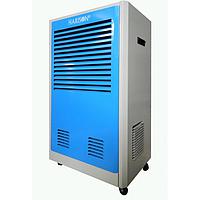
Dehumidifier Inspection Service
Stable humidity control is critical in warehouses, laboratories, production rooms, archives, and many other industrial environments. When a dehumidifier begins to drift from its intended performance, the result may be product damage, process instability, corrosion risk, mold growth, or poor storage conditions. A professional Dehumidifier Inspection Service helps verify operating condition, detect early faults, and support reliable humidity control across demanding applications.
Why dehumidifier inspection matters in technical facilities
In B2B settings, dehumidifiers are rarely standalone convenience devices. They are often part of a broader environmental control strategy used to protect materials, stabilize production quality, and maintain suitable conditions for equipment or stored goods. Regular inspection helps confirm that the unit is operating as expected and that key components are not degrading unnoticed.
An inspection service is especially valuable where humidity conditions directly affect outcomes, such as electronics handling, pharmaceutical storage, precision manufacturing, document preservation, and moisture-sensitive raw materials. Instead of waiting for a visible failure, scheduled checks support preventive maintenance and reduce the chance of unexpected downtime.
What is typically covered in a dehumidifier inspection service
The exact scope can vary by device and service procedure, but inspection generally focuses on the condition and operation of the dehumidifier rather than simple visual review alone. This can include checking overall functionality, identifying abnormal operating signs, and assessing whether the system is performing consistently within its intended application.
For industrial users, useful inspection work often involves confirming the health of major assemblies, reviewing airflow or moisture removal behavior, and identifying wear that could affect long-term operation. This makes the service relevant not only for corrective action, but also for planning maintenance intervals and replacement timing.
Where humidity control is managed alongside other environmental devices, users may also want to review related services such as humidifier inspection to maintain balance across the full air treatment system.
Common situations where inspection is recommended
A dehumidifier should be inspected whenever there are signs that room conditions are no longer stable, even if the unit is still running. Typical warning signs include slower moisture removal, irregular cycling, unusual noise, reduced airflow, rising energy consumption, or a mismatch between target and actual humidity conditions.
Inspection is also recommended after long operating periods, before peak seasonal demand, after relocation, or when the equipment is used in critical process environments. In many facilities, the practical goal is not just to find a fault, but to verify that the equipment remains suitable for the operating load and environment.
- Periodic preventive maintenance programs
- Quality-sensitive storage or processing areas
- Equipment operating continuously or under heavy duty
- Facilities with compliance or internal maintenance requirements
- Sites where humidity deviations can damage stock or instruments
Supported brands and example service options
This category includes inspection services for dehumidifiers from established manufacturers used in commercial and industrial environments. Depending on your installed base, you may find suitable service options for brands such as JEIOtech, DEHUTECH, AIKYO, EDISON, HARISON, IKENO, and Olmas.
Representative service listings in this category include JEIOTECH Dehumidifiers Inspection Service, DEHUTECH Dehumidifiers Inspection Service, HARISON Dehumidifiers Inspection Service, IKENO Dehumidifiers Inspection Service, and Olmas Dehumidifiers Inspection Service. These examples help indicate brand coverage within the category, while the actual selection should be matched to your installed equipment and service requirement.
If your facility uses several units from the same supplier, it can also be helpful to review the corresponding manufacturer pages, such as HARISON or IKENO, to navigate related equipment and service items more efficiently.
How to choose the right inspection service
Selecting the right service starts with understanding the role of the dehumidifier in your process. A unit protecting general warehouse inventory may require a different maintenance approach than one supporting a controlled room, equipment cabinet area, or moisture-sensitive manufacturing space. The more critical the humidity requirement, the more important it is to choose a service that supports consistent equipment evaluation.
It is also useful to check whether the service aligns with your equipment brand, operating environment, and maintenance cycle. For buyers managing multiple environmental instruments, inspection planning may be coordinated with related categories such as soil moisture meter inspection services or other moisture measurement equipment where relevant to the broader application.
Benefits for maintenance teams and purchasing departments
For maintenance teams, dehumidifier inspection provides a structured way to assess equipment condition before failures become disruptive. It supports better service scheduling, clearer fault visibility, and improved decision-making when balancing repair versus replacement. This is particularly important when the equipment serves storage zones, process rooms, or utility areas that must remain within a defined humidity range.
For procurement and operations teams, inspection services can help standardize maintenance across mixed-brand installations. Instead of responding only when a unit stops working, companies can build a more predictable service plan around equipment condition, operating criticality, and site risk. That approach often improves lifecycle management and reduces avoidable losses linked to poor humidity control.
Dehumidifier inspection within a broader moisture control strategy
Humidity management is often interconnected with ventilation, temperature control, and moisture measurement practices. A dehumidifier inspection service therefore makes the most sense when viewed as part of an overall environmental reliability plan, especially in facilities where stored goods, raw materials, or finished products are sensitive to moisture variation.
Organizations that monitor moisture conditions in products or surrounding media may also work with related inspection categories, including services for agricultural moisture meters or other specialized instruments. Bringing these activities together supports a more complete understanding of how humidity is controlled, measured, and maintained across the site.
Plan inspection based on operating risk, not only on failure
Choosing a dehumidifier inspection service is ultimately about protecting process stability and maintaining confidence in environmental control equipment. Whether you operate JEIOtech, DEHUTECH, AIKYO, EDISON, HARISON, IKENO, or Olmas units, regular inspection helps identify issues early and supports more reliable operation over time.
For facilities where humidity directly affects product quality, storage integrity, or equipment condition, a well-timed inspection is a practical step toward lower risk and better maintenance planning. Reviewing the available brand-specific service options in this category can help you match the right inspection service to your installed dehumidifier fleet.
Get exclusive volume discounts, bulk pricing updates, and new product alerts delivered directly to your inbox.
By subscribing, you agree to our Terms of Service and Privacy Policy.
Direct access to our certified experts