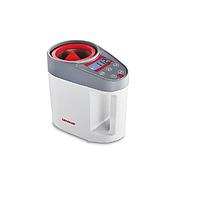
Moisture meter for agricultural products Inspection Service
Accurate moisture measurement is a critical part of agricultural quality control, storage management, and commercial trading. When a meter is used to assess grains, seeds, feed ingredients, or other farm products, regular verification helps confirm that readings remain reliable under real working conditions. This is especially important where moisture values affect acceptance criteria, drying decisions, or inventory risk.
Moisture meter for agricultural products Inspection Service supports users who need confidence in the condition and measurement performance of their instruments. For distributors, inspection teams, warehouses, processors, and agricultural service providers, this service helps reduce uncertainty before moisture data is used for operational or commercial decisions.
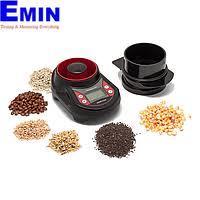
Why inspection matters for agricultural moisture meters
Agricultural products are highly sensitive to moisture content. If a meter drifts over time or no longer responds consistently, the result can be incorrect acceptance of raw materials, poor storage planning, or unnecessary drying steps. An inspection service helps identify whether the instrument is still suitable for dependable use.
Compared with general-purpose humidity or moisture devices, meters used for agricultural products are often exposed to dust, transport, changing temperatures, and frequent field or warehouse handling. These factors can influence measurement stability, so periodic inspection becomes part of good maintenance practice rather than an optional extra.
Typical applications covered by this service
This category is intended for moisture meters used on agricultural materials where product condition directly affects handling and value. Typical use cases include incoming goods inspection, warehouse checks, trading verification, and support for harvest or post-harvest workflows.
Many businesses use these instruments at multiple points in the process, from field sampling to storage and dispatch. In that context, inspection is not only about checking a device once, but about maintaining measurement consistency across time, operators, and locations.
What an inspection service usually helps you confirm
While the exact procedure depends on the instrument type and service scope, users generally seek confirmation that the meter is operating normally, responding consistently, and suitable for its intended application. This may include reviewing reading behavior, physical condition, operating status, and general performance against expected measurement use.
For agricultural environments, inspection also helps reveal issues caused by wear, contamination, handling damage, or storage conditions. In practical terms, the goal is to support more dependable decisions when moisture values are used for quality assessment, handling, or documentation.
- Improved confidence in day-to-day readings
- Better support for quality and storage control routines
- Early detection of performance drift or handling-related issues
- More consistent results across inspection points or operators
Examples of supported brands and devices
This service category may be relevant for widely used agricultural moisture meter lines from manufacturers such as DICKEY john, Kett, OHAUS, PCE, DRAMINSKI, and G-WON. Different users prefer different platforms depending on workflow, sample type, and operational environment, but the common requirement is the same: the instrument should deliver trustworthy readings when needed.
Representative products in this category include the DICKEY john Moisture Meter for Agriculture Inspection Service, Kett Moisture Meter for Agriculture Inspection Service, PCE Moisture Meter for Agriculture Inspection Service, DRAMINSKI Moisture Meter for Agriculture Inspection Service, OHAUS Moisture Meter for Agriculture Inspection Service, and G-WON Moisture Meter for Agriculture Inspection Service. These examples show the breadth of instruments used in agricultural inspection activities without limiting the category to a single device style.
How to choose the right service scope
The most suitable inspection approach depends on where and how the moisture meter is used. A handheld unit used for routine warehouse checks may have different service priorities than an instrument used in trade inspection or formal incoming quality control. Before arranging service, it is useful to consider the product types tested, frequency of use, and the impact of measurement error on operations.
Users should also think about whether the meter is part of a broader inspection workflow. In some environments, agricultural moisture meters are managed alongside related equipment for humidity or moisture control. If your application extends beyond farm product testing, you may also want to review soil moisture meter inspection services or inspection for grass and straw moisture meters where those instruments are part of the same workflow.
Who benefits from regular inspection
This service is particularly relevant for agricultural inspection organizations, grain handlers, processors, feed operations, warehouses, and trading businesses that depend on repeatable measurements. Any team using moisture readings to make acceptance, storage, or processing decisions can benefit from a structured inspection schedule.
Regular inspection is also valuable when several instruments are used across branches or by different teams. In these cases, maintaining traceable equipment condition and reducing variation between devices can improve internal control and day-to-day operational confidence.
Supporting a more reliable inspection workflow
A moisture meter is only useful when its readings remain dependable in the actual conditions where it is used. For agricultural products, that means looking beyond the device itself and considering the broader workflow: sampling habits, operator handling, storage environment, and maintenance intervals. Inspection services help support that full picture by checking whether the instrument remains fit for purpose.
If your work depends on accurate evaluation of crop or stored-product moisture, this category offers a practical path to maintaining reliable measurement performance. Reviewing service options for the relevant instrument type can help you keep inspection routines consistent, reduce avoidable risk, and make better use of moisture data in agricultural operations.
Get exclusive volume discounts, bulk pricing updates, and new product alerts delivered directly to your inbox.
By subscribing, you agree to our Terms of Service and Privacy Policy.
Direct access to our certified experts