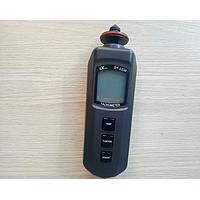
Tachometer Inspection Service
When rotational speed data is used to verify machine performance, troubleshoot motors, or support maintenance records, measurement reliability becomes just as important as the instrument itself. A professional Tachometer Inspection Service helps confirm that your tachometer is operating within expected performance limits, so RPM readings remain dependable in production, service, and quality-control environments.
For B2B users, tachometer inspection is not only about checking one handheld device. It is part of a broader instrument control process that supports repeatable measurements, maintenance planning, and better confidence in technical decisions across workshops, factories, and field service operations.
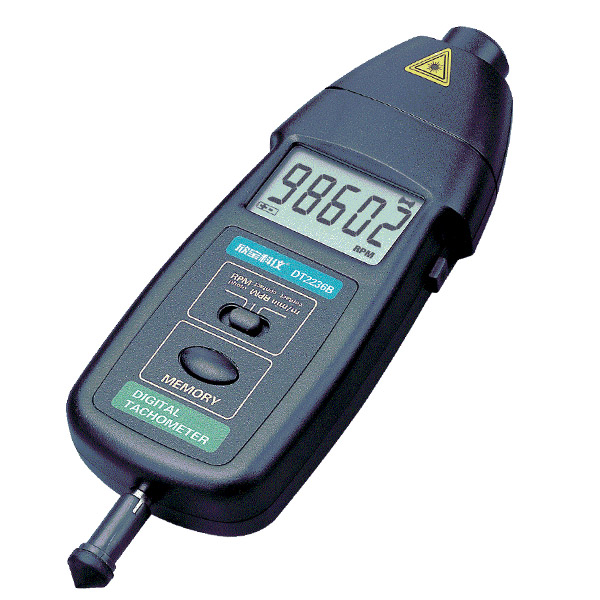
Why tachometer inspection matters in industrial use
Tachometers are commonly used to measure the rotational speed of shafts, fans, motors, rollers, and other moving parts. If the instrument drifts over time or no longer responds correctly, even a small reading error can affect machine checks, preventive maintenance routines, and comparison data collected over multiple service intervals.
A structured inspection process helps identify whether the device still performs consistently and whether it remains suitable for ongoing use. This is especially relevant when tachometer readings are used alongside other test instruments in maintenance and electrical diagnostics, such as multimeter inspection services and related verification workflows.
What is typically covered in a tachometer inspection service
A tachometer inspection service generally focuses on verifying the instrument’s measurement behavior, physical condition, and overall usability. Depending on the device and application, the inspection may include checks on display response, operating condition, reading stability, and comparison against reference values used in controlled inspection procedures.
This type of service is useful for both contact and non-contact tachometers, as each measurement method depends on proper sensor response and stable signal interpretation. The goal is not to overstate performance, but to provide a practical assessment of whether the instrument can continue to support technical work with an acceptable level of confidence.
Common users and application scenarios
Tachometer inspection is relevant in many sectors where rotational speed is a routine measurement point. Maintenance teams may use tachometers for motor checks, HVAC fan monitoring, conveyor verification, or service work on rotating machinery. In laboratories and quality departments, inspection records also help maintain better traceability for instruments used in testing processes.
Organizations that manage a wider fleet of electrical test tools often schedule tachometer inspection alongside services for other portable meters. In these cases, related categories such as clamp meter inspection service can be part of the same instrument management approach, helping standardize maintenance intervals across devices.
Supported brands and examples in this category
This category includes inspection services for tachometers from widely used instrument manufacturers. Examples available here include services for HIOKI, FLUKE, TESTO, EXTECH, Chauvin Arnoux, PCE, SANWA, LUTRON, Sauermann, and TENMARS, giving buyers a practical starting point when searching by brand preference or existing installed instrument base.
Representative service listings include Hioki Tachometer Inspection services, Fluke Tachometer Inspection services, Testo Tachometer Inspection services, Extech Tachometer Inspection services, and Chauvin Arnoux Tachometer Inspection services. These examples help users quickly identify brand-aligned service options without having to sort through unrelated equipment categories.
How to choose the right inspection service
When selecting a service, start with the tachometer brand and the way the instrument is used in your process. A handheld unit used occasionally for maintenance checks may have different inspection priorities from a tachometer used frequently in production support or technical validation. Matching the service to actual usage conditions helps keep the inspection relevant and cost-effective.
It is also helpful to consider your broader instrument ecosystem. If your team maintains multiple electrical and electronic measuring devices, consolidating service planning can reduce downtime and improve documentation consistency. In more advanced maintenance programs, related categories such as multifunction electrical installations meter inspection service may also be reviewed at the same time.
Benefits for maintenance, compliance, and asset control
A consistent inspection program supports more than measurement accuracy alone. It can also improve asset visibility, help maintenance teams identify instruments that need attention before failure, and make it easier to manage periodic service records across departments or sites. For companies with internal audit or documented maintenance procedures, this can be an important operational advantage.
From a practical standpoint, inspected instruments are easier to trust during troubleshooting and performance verification work. When technicians compare RPM values before and after machine adjustments, dependable readings reduce uncertainty and improve decision-making in the field.
How this category fits into a broader inspection workflow
Tachometer inspection is one part of a larger instrument reliability strategy for electrical and electronic measurement tools. Companies that monitor both machine condition and electrical performance often combine different service categories to keep handheld devices in good operating condition across maintenance, commissioning, and service teams.
If your workflow also involves specialized field diagnostics, services such as phase indicator inspection service may be relevant in parallel. This kind of structured approach helps organizations manage instruments as working assets rather than isolated purchases.
Finding a suitable tachometer inspection option
Choosing the right service usually starts with a simple question: which tachometer is being used, and how critical are its readings in day-to-day work? From there, it becomes easier to shortlist suitable brand-specific options such as Hioki Tachometer Inspection services, Kimo Tachometer Inspection services, Tenmars Tachometer Inspection services, or PCE Tachometer Inspection services based on your existing device fleet.
For teams that rely on rotational speed measurements to support maintenance and technical verification, a well-matched inspection service helps maintain confidence in the instrument over time. Reviewing the available service options in this category can help you align tachometer care with the rest of your measurement and maintenance program.
Get exclusive volume discounts, bulk pricing updates, and new product alerts delivered directly to your inbox.
By subscribing, you agree to our Terms of Service and Privacy Policy.
Direct access to our certified experts