
Chemical oxygen demand meter Inspection Service
Reliable COD measurement matters anywhere wastewater, process water, or environmental discharge quality must be verified with confidence. When a chemical oxygen demand instrument drifts, reports become harder to trust, troubleshooting takes longer, and routine monitoring can expose operations to unnecessary risk. A dedicated Chemical oxygen demand meter Inspection Service helps confirm that the instrument is functioning properly for day-to-day analytical work.
This service category is intended for organizations that depend on COD testing as part of water quality control, laboratory workflows, plant utilities, or environmental management. Whether the instrument is used for regular compliance screening or internal process checks, inspection supports better repeatability, more dependable readings, and a clearer understanding of equipment condition before measurement issues affect operations.
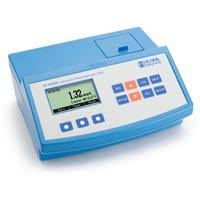
Why COD meter inspection is important
Chemical oxygen demand is a widely used indicator for assessing the amount of oxidizable material in water. Because the result is often used to evaluate treatment efficiency, influent and effluent conditions, or laboratory sample status, the instrument used to support that workflow needs to remain consistent and dependable over time.
Inspection is especially relevant when a meter is used frequently, transported between sites, or exposed to demanding environments. Even if an instrument still powers on and appears to operate normally, factors such as optical response, measurement stability, display behavior, or overall condition can affect confidence in the result. In these cases, periodic inspection becomes a practical part of instrument management rather than a reactive step after failure.
What this service typically supports
A meter inspection service is designed to help users evaluate the operating condition of their COD instrument and identify whether the device remains suitable for continued use in routine testing. For B2B users, this is useful in maintenance planning, quality assurance workflows, and reducing unexpected downtime in environmental monitoring programs.
The scope may also be relevant for service teams handling multiple water analysis devices across a facility or laboratory. If COD monitoring is part of a broader environmental instrumentation setup, users may also review related services such as inspection for ion measurement electrodes in water or water activity meter inspection where cross-functional measurement reliability is equally important.
Suitable for common laboratory and field use cases
COD meters are often used in wastewater treatment, industrial water management, environmental laboratories, educational labs, and process support applications. In these environments, the instrument may be part of a repeated testing routine where trend consistency is as important as a single reading. Inspection services are therefore valuable not only when a fault is suspected, but also as part of planned quality control.
Organizations that manage several instruments across different measurement tasks can benefit from aligning service schedules. For example, teams responsible for broader environmental monitoring may also need dew point meter inspection or light meter inspection, depending on the types of parameters they control in production, storage, or testing spaces.
Supported brands and example service entries
This category includes inspection service options for instruments from established manufacturers used in water analysis. Depending on your installed base, you may find suitable service references for YSI, HANNA, WTW, and HUMAS. These brands are commonly associated with environmental and laboratory measurement workflows where reliable instrument condition is essential.
Representative entries in this category include the YSI Chemical oxygen demand meter Inspection Service, HANNA Chemical oxygen demand meter Inspection Service, WTW Chemical oxygen demand meter Inspection Service, and HUMAS Chemical oxygen demand meter Inspection Service. These examples help users quickly identify service availability by manufacturer while keeping the focus on the same practical objective: confirming instrument condition and maintaining confidence in COD-related measurement work.
How to choose the right inspection service
The most practical starting point is the instrument brand and the actual role the device plays in your workflow. If the meter supports routine release decisions, wastewater trending, or lab reporting, a structured inspection plan can be more valuable than waiting for obvious failure symptoms. It also helps maintenance and quality teams document instrument oversight more consistently.
When selecting a service, it is helpful to consider how often the meter is used, whether it is shared across operators, and whether it is exposed to field transport or variable environmental conditions. These factors do not automatically indicate a problem, but they do affect wear patterns and the likelihood that performance checks will be useful.
Benefits for B2B maintenance and quality teams
For industrial users, laboratories, universities, utilities, and environmental service providers, inspection services support a more controlled approach to instrument lifecycle management. Instead of treating testing devices as isolated tools, companies can integrate them into broader maintenance planning and quality systems. That makes it easier to reduce uncertainty when measurement data is reviewed internally or compared over time.
Inspection planning can also improve coordination between laboratory staff, engineering teams, and purchasing departments. When service requirements are matched to the actual installed instrument base, organizations can simplify asset oversight and make more informed decisions about continued use, replacement timing, or service prioritization.
When to arrange an inspection
Scheduling service can be a sensible step when readings appear inconsistent, after prolonged use, before critical testing periods, or when instruments return from storage or transport. It is also useful after maintenance events or when teams want to confirm instrument condition before resuming regular analytical work.
In many cases, the goal is not only to respond to a suspected issue but to preserve measurement confidence. For operations where COD data influences treatment decisions or water quality assessment, that confidence can have real operational value.
Find the right service for your COD instrument
This category brings together inspection service options for COD meters used in environmental and water analysis applications. By choosing a service matched to the relevant manufacturer and keeping inspections aligned with actual usage conditions, teams can support more stable workflows and better trust in their measurement equipment.
If your site relies on COD testing as part of routine monitoring, periodic inspection is a practical way to keep instruments in check and reduce uncertainty before it affects reporting or operations. Review the available service entries in this category to identify the most suitable option for your installed device and maintenance process.
Get exclusive volume discounts, bulk pricing updates, and new product alerts delivered directly to your inbox.
By subscribing, you agree to our Terms of Service and Privacy Policy.
Direct access to our certified experts
