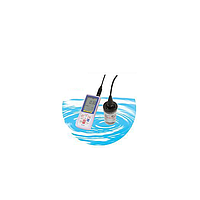
Chlorine Meter Inspection Service
Reliable chlorine measurement is critical wherever water quality affects process stability, regulatory control, or public safety. When a chlorine meter starts drifting, responds slowly, or no longer matches reference values, inspection becomes an important step to confirm whether the instrument is still suitable for use. This page is intended for users looking for a Chlorine Meter Inspection Service for portable or laboratory chlorine meters used in water analysis and environmental monitoring.
Why chlorine meter inspection matters
Chlorine meters are commonly used to check residual chlorine in drinking water, wastewater, cooling water, food processing, and sanitation-related applications. Because these instruments support daily decisions, inaccurate readings can lead to underdosing, overdosing, unnecessary troubleshooting, or inconsistent quality records.
A proper inspection helps verify the overall condition of the device, identify possible measurement deviation, and determine whether maintenance, adjustment, or further service is required. For many facilities, this is part of a broader instrument quality program that may also include services such as inspection for ion measurement electrodes in water when multiple water analysis tools are managed together.
What is typically checked during the service
The scope of a chlorine meter inspection generally focuses on the instrument’s measurement reliability, physical condition, and basic operating response. Depending on the meter design, this may involve checking display behavior, input response, sensor connection status, buttons or controls, and how consistently the instrument reacts during testing.
Inspection can also help reveal common issues such as unstable readings, slow stabilization, contamination, wear from field use, or problems caused by storage conditions. In practical terms, the goal is not simply to look at the device externally, but to assess whether it remains suitable for routine chlorine monitoring in the user’s operating environment.
Supported brands and representative services
This category includes inspection services for chlorine meters from several widely used manufacturers in water analysis. Common brands covered here include HACH, YSI, HANNA, MILWAUKEE, TOA DKK, EXTECH, EZDO, ELCOMETER, and GLobal Water.
Representative service listings include HACH Chlorine Meter Inspection Service, YSI Chlorine Meter Inspection Service, HANNA Chlorine Meter Inspection Service, MILWAUKEE Chlorine Meter Inspection Service, TOA DDK Chlorine Meter Inspection Service, EXTECH Chlorine Meter Inspection Service, EZDO Chlorine Meter Inspection Service, ELCOMETER Chlorine Meter Inspection Service, and GLobal Water Chlorine Meter Inspection Service. These examples help users identify brand-specific options without turning the category into a long product list.
When to send a chlorine meter for inspection
Many users request inspection after noticing that field results no longer align with expected process values or with another reference instrument. This can happen after heavy use, transportation between sites, long storage periods, battery leakage, sensor aging, or exposure to demanding sample conditions.
Inspection is also useful before periodic audits, internal quality reviews, or when restarting a monitoring program after downtime. If your organization manages multiple environmental instruments, it may be practical to review related services such as light meter inspection or dew point meter inspection as part of a coordinated maintenance schedule.
How to choose the right inspection service
When selecting a service, the first consideration is the meter brand and the specific instrument family you are using. A chlorine meter may differ in sensing method, reagent workflow, sample handling, or interface design, so choosing the correct inspection listing helps avoid delays and improves service relevance.
It is also helpful to prepare basic information before submitting the device: the manufacturer, model identification, symptom observed in use, and whether the issue appears constant or intermittent. If your installed base includes instruments from brands such as HANNA or YSI, organizing this information in advance can make service coordination more efficient while keeping documentation consistent across different meter types.
Common users and application environments
A chlorine meter inspection service is relevant to a broad range of B2B users. Typical customers include water treatment facilities, environmental laboratories, food and beverage plants, building utilities teams, service contractors, and maintenance departments responsible for water quality control.
In these environments, chlorine measurements may support disinfection verification, process monitoring, compliance routines, or general quality assurance. Because chlorine residual values can directly influence process decisions, regular instrument inspection helps reduce uncertainty and supports more dependable reporting.
Related instrument service planning
Chlorine meters are often only one part of a larger environmental measurement workflow. Facilities that handle water quality, workplace monitoring, or utility control may maintain several types of instruments at the same time, each with different service intervals and operational risks.
Building a simple inspection plan across critical devices can improve uptime and reduce last-minute service requests. Alongside chlorine meter inspection, some users also review categories like sound level meter inspection service or water activity meter inspection service when maintaining multiple monitoring tools under one procurement or maintenance process.
Final considerations before booking service
Before arranging inspection, it is worth checking the meter’s current condition, accessories being sent with it, and the exact problem observed during use. Clear information helps the service process focus on the real issue and reduces the chance of unnecessary back-and-forth.
If you are comparing available options in this category, start with the service that matches your instrument brand and intended application. A well-matched inspection service can help confirm instrument condition, support more reliable chlorine testing, and keep routine water quality monitoring on a steadier footing.
Get exclusive volume discounts, bulk pricing updates, and new product alerts delivered directly to your inbox.
By subscribing, you agree to our Terms of Service and Privacy Policy.
Direct access to our certified experts