Copper Meter Inspection Service
Reliable copper measurement is important in water treatment, plating processes, laboratory testing, and environmental monitoring. When a meter drifts over time or responds inconsistently, even small errors can affect process control, compliance checks, or product quality. A professional Copper Meter Inspection Service helps confirm that the instrument is operating correctly and remains suitable for routine measurement work.
This service category is intended for users who need a clear, practical way to maintain copper testing instruments used in industrial and technical environments. Whether the device is part of periodic quality control or occasional field verification, inspection supports confidence in readings and helps reduce the risk of working with an instrument whose performance is uncertain.
Why inspection matters for copper meters
Copper meters are commonly used where dissolved metal concentration must be checked accurately and consistently. Over time, sensors, optical components, electronics, and measurement interfaces can be affected by normal use, storage conditions, contamination, or handling. Inspection is therefore a practical step in verifying the overall condition of the instrument rather than relying only on past performance.
For many businesses, inspection is not just a maintenance task. It supports measurement reliability in day-to-day operations, especially when copper values are used to make technical decisions. This is particularly relevant in applications involving water quality control, process monitoring, and internal quality assurance workflows.
What a copper meter inspection service typically helps verify
A copper meter inspection service generally focuses on whether the instrument can still function as expected in real operating conditions. This may include reviewing the meter’s response, basic operating status, display behavior, and overall suitability for measurement tasks. The goal is to identify signs of abnormal performance before they become a larger operational issue.
In a B2B setting, users often need more than a simple power-on check. They need an assessment that helps determine whether the instrument should continue in service, receive further maintenance, or be scheduled for replacement. This is why instrument inspection is an important part of lifecycle management for portable and bench testing equipment.
Suitable applications and user needs
This category is relevant for laboratories, utilities, water treatment operators, industrial plants, environmental service providers, and technical teams responsible for routine chemical testing. Where copper concentration is monitored as part of process control or environmental assessment, dependable readings are essential for making informed decisions.
Users looking for this service are often dealing with practical issues such as unstable results, uncertainty after long periods of storage, or the need to confirm condition before continued use. In broader instrument maintenance programs, copper meter inspection may be handled alongside related services such as inspection for ion measurement electrodes in water or water activity meter inspection, depending on the equipment used in the facility.
Representative services in this category
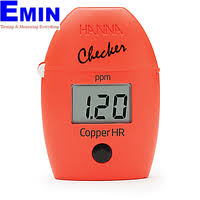
Among the commonly referenced options in this category are the HANNA Copper Meter Inspection Service and the HUMAS Copper Meter Inspection Service. These examples show that the category covers inspection needs for instruments from established manufacturers used in technical measurement environments.
For organizations standardizing around a specific brand, it can be helpful to review the broader product ecosystem from HANNA or HUMAS when planning maintenance, service rotation, or future instrument selection. That said, the main purpose of this category page is to help users identify the right inspection path for the copper meter they already use.
How to choose the right service option
When selecting a copper meter inspection service, start with the actual instrument in use, the operating environment, and how critical the measurement is to your workflow. A meter used frequently in production support or regulated testing may require closer attention than one used only for occasional spot checks. It is also useful to consider the instrument’s age, storage history, and any recent signs of inconsistent readings.
Another practical factor is how the inspection fits into your wider maintenance schedule. Facilities that manage multiple environmental instruments often coordinate service intervals to reduce downtime and simplify documentation. If your team also handles workplace or site monitoring tools, related categories such as light meter inspection service or dew point meter inspection service may also be relevant.
Benefits for maintenance planning and quality control
Regular inspection helps technical teams build a more controlled approach to equipment management. Instead of reacting only when a meter fails or produces obviously questionable results, users can schedule checks as part of preventive maintenance. This helps reduce unexpected interruptions and supports better planning for service, replacement, or backup instrument allocation.
From a quality perspective, inspection also contributes to stronger internal confidence in measurement data. When copper measurements are used in reporting, troubleshooting, or process adjustment, confidence in the instrument’s condition matters. A well-managed inspection routine supports traceable equipment care and helps teams work more consistently across sites, operators, and testing periods.
When to arrange an inspection
Typical situations include periods of heavy use, unusual reading behavior, return to service after storage, or scheduled maintenance intervals. Inspection is also worth considering when instruments are transferred between departments, used in changing field conditions, or relied on for important water or chemical analysis tasks.
If your operation depends on repeatable copper measurements, arranging inspection at the right time is a practical way to protect both equipment value and measurement confidence. This category brings together service options that support that goal, with examples from recognized manufacturers and a scope that fits broader environmental instrument maintenance needs.
Choosing a copper meter inspection service is ultimately about maintaining dependable performance in real working conditions. By aligning inspection with instrument usage, application risk, and maintenance schedules, businesses can keep copper measurement equipment in better condition and make more confident decisions from the data those instruments provide.
Get exclusive volume discounts, bulk pricing updates, and new product alerts delivered directly to your inbox.
By subscribing, you agree to our Terms of Service and Privacy Policy.
Direct access to our certified experts