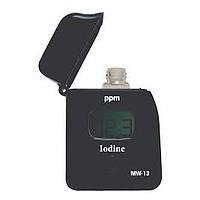
Iodine Concentration Meter Inspection Service
Reliable iodine measurement depends not only on the instrument itself, but also on its condition over time. In production, laboratory, and water-related testing workflows, even small measurement deviations can affect process control, documentation quality, and confidence in reported results. That is why a professional Iodine Concentration Meter Inspection Service plays an important role in maintaining instrument performance and supporting consistent day-to-day use.
This service category is intended for organizations that use iodine meters in routine checks, quality verification, or environmental measurement tasks and need a practical way to assess instrument condition. Whether you are managing a single portable meter or multiple devices across sites, regular inspection helps identify drift, handling issues, and overall measurement reliability before they create larger operational problems.
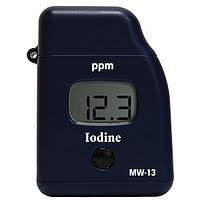
Why inspection matters for iodine concentration meters
Iodine concentration meters are typically used where measurement reliability directly affects product quality, process checks, or compliance-related records. Over time, sensors, electronic components, display accuracy, and general instrument condition can be influenced by use frequency, storage conditions, contamination, or aging. Inspection helps verify that the device remains suitable for its intended application.
For B2B users, inspection is also a practical maintenance step. It supports internal quality systems, reduces uncertainty when readings appear inconsistent, and helps maintenance or QA teams decide whether a meter can continue in service or should be further adjusted, repaired, or replaced. In environments where several analytical instruments are used together, this is part of a broader equipment control strategy.
What this service category is designed to support
This category focuses on inspection services for iodine concentration measuring instruments rather than product sales alone. The goal is to evaluate the condition and usability of the meter so users can better understand its current status in actual operating conditions. This is especially useful for facilities that rely on periodic instrument checks as part of standard operating procedures.
Inspection services in this area are often relevant for teams working with liquid analysis, process verification, and environmental or laboratory instrumentation. If your workflow also includes related analytical devices, you may also want to review services such as ion measurement electrode inspection where electrode condition is part of the measurement chain.
Typical points considered during instrument inspection
While the exact inspection scope can vary by instrument design, the process generally considers the overall status of the meter, its response behavior, visible condition, and operational stability. For portable and bench instruments alike, this may include checks related to display response, control functions, probe or sensor interface condition, and basic performance consistency under expected use.
In practical terms, an inspection helps answer questions such as whether the instrument still responds normally, whether there are signs of wear that could affect measurement confidence, and whether the device remains appropriate for continued field or lab use. For companies that manage multiple environmental instruments, this same logic applies across categories such as water activity meter inspection services and other routine verification programs.
Representative service options in this category
Two representative service entries in this category are the HANNA Iodine meter Inspection Service and the MILWAUKEE Iodine meter Inspection Service. These listings are useful for customers who already operate instruments from those brands and want a service path aligned with their installed equipment.
Where brand-specific support is relevant, users can also explore the broader manufacturer pages for HANNA and MILWAUKEE. This can help procurement, maintenance, and technical teams review related instrument ecosystems and identify compatible service options without treating all devices as interchangeable.
How to choose the right inspection service
Selecting an appropriate inspection service starts with understanding how the iodine meter is used in your operation. A device used occasionally for spot checks may have different service priorities from one used regularly in a controlled testing workflow. The operating environment, handling frequency, storage practice, and the importance of traceable measurement results should all be considered.
It is also helpful to confirm the instrument brand, service history, and any symptoms already observed, such as unstable readings, slow response, or physical wear. This gives service teams better context and helps avoid delays. If your facility runs several types of environmental measurement devices, organizing inspections by instrument group can simplify maintenance planning and reduce downtime across departments.
When inspection becomes especially important
Inspection is particularly valuable when an instrument has been in service for an extended period, has been transported frequently, or has shown signs of inconsistent performance. It is also a sensible step after storage, after unexpected operating conditions, or before important internal audits and verification activities. Rather than waiting for obvious failure, periodic inspection provides a more controlled approach to instrument management.
Many organizations benefit from scheduling inspections alongside other routine equipment checks. For example, sites that monitor multiple environmental parameters may combine this with services for devices such as light meter inspection or dew point meter inspection, depending on their process needs.
Who typically uses iodine meter inspection services
This type of service is relevant to laboratories, production facilities, quality assurance teams, environmental monitoring users, and technical service departments that rely on dependable analytical readings. It is especially useful in organizations where instrument condition must be reviewed systematically rather than informally.
For purchasing and maintenance teams, a dedicated service category also makes comparison easier. Instead of searching case by case, users can review available inspection options in one place, identify brand-relevant services, and build a more consistent plan for instrument upkeep across their measurement assets.
Supporting long-term instrument confidence
A well-managed inspection routine helps extend the practical usefulness of iodine concentration meters and supports better decision-making around maintenance and replacement. More importantly, it improves confidence in the readings that operators, technicians, and quality teams use every day.
If your organization depends on iodine measurement as part of a broader testing or monitoring workflow, this category provides a focused starting point for evaluating available service options. By choosing inspection support that matches your instrument type, brand, and usage pattern, you can keep measurement tools in better operating condition and maintain a more dependable measurement process over time.
Get exclusive volume discounts, bulk pricing updates, and new product alerts delivered directly to your inbox.
By subscribing, you agree to our Terms of Service and Privacy Policy.
Direct access to our certified experts